
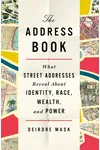
How to Read Deirdre Mask: The Recommended Path
If you are looking to dive into Deirdre Mask's fascinating exploration of social history and infrastructure, the reading order is straightforward since she is primarily known for a singular, groundbreaking book and a series of essays. Here is the best way to experience her writing:
- Step 1: Start with the Landmark Work — Begin with The Address Book: What Street Addresses Reveal About Identity, Race, Wealth, and Power (2020). This is her definitive non-fiction book that examines the hidden power dynamics behind the names and numbers of our streets.
- Step 2: Listen to the Audiobook Companion — For an alternative experience, check out the audiobook edition narrated by Janina Edwards, which brings her engaging, narrative-driven research to life.
- Step 3: Explore Her Anthology Contributions — To see her earlier non-fiction, locate the anthology Show Your Work: Essays from The Dublin Review (2015), which contains her essay exploring historical medical negligence and legal costs.
- Step 4: Read Her Columns and Journalism — Complete your journey by reading her regular articles and essays in publications like The New York Times, The Atlantic, and The Guardian.
Publication Order of Non-Fiction and Contributions
While Mask is not a novelist with complex timelines, tracking her works in order of release shows her development as an essayist and author:
- Show Your Work: Essays from The Dublin Review (Contributor, 2015) — Features her essay on the history of legal costs in a 1902 medical negligence case.
- The Address Book: What Street Addresses Reveal About Identity, Race, Wealth, and Power (2020) — Her major standalone non-fiction book.
Understanding the Working Titles and "Every Name Tells a Story"
If you run across references to a book titled Every Name Tells a Story: How Names Explain the Modern World by Deirdre Mask, you might wonder where it fits in the reading order. Early promotional materials and author biographies listed this title as forthcoming. However, databases and publishers indicate that this project did not see a wide release under that name and may have been an early working title or conceptual predecessor to the themes of street names and identity explored in The Address Book.
What to Know Before You Start
Deirdre Mask writes with the clarity of a lawyer and the warmth of a close friend. Here are a few things to keep in mind when starting her work:
- It is narrative non-fiction: Rather than dry statistics, Mask uses personal travelogues, historical research, and conversations with locals—from the slums of Kolkata to the streets of Berlin—to make her points.
- Standalone nature: Her book and essays are entirely standalone, meaning you can read them in any order, though starting with her book is highly recommended to get the full scope of her work.
- Rich theme of identity: Her writing repeatedly returns to the idea of naming and categorization as tools of power, control, and class representation.