
Choosing Your First Diana Henry Cookbook: Where to Start
Unlike novelists, cookbook authors don't write chronological storylines, but Diana Henry's books still represent a distinct evolution of theme, travel, and culinary philosophy. If you are new to her writing, jumping in at random might feel overwhelming. Depending on your experience level and cooking style, here are the best entry points to her work:
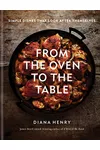
For the Weeknight Hero: From the Oven to the Table (2019)
If you want maximum flavor with minimal washing up, start here. This book focuses on roasting pans, traybakes, and one-pot dishes that look after themselves in the oven. It is highly practical for busy home cooks who still want their meals to taste sophisticated, using ingredients like chicken thighs, sausages, and seasonal vegetables transformed by high heat and simple glazes.
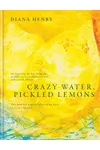
For the Culinary Adventurer: Crazy Water, Pickled Lemons (2002)
If you love regional, sun-drenched flavors, Henry's groundbreaking debut is the perfect starting point. It explores the culinary traditions of the Eastern Mediterranean and North Africa. It is highly narrative, filled with evocative storytelling, and introduced many home cooks to ingredients like pomegranate molasses, orange blossom water, and sumac long before they became supermarket staples.
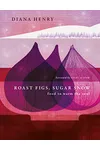
For the Cozy Comfort Seeker: Roast Figs, Sugar Snow (2005)
If you prefer autumn leaves, snowy days, and rich, comforting dishes, this is your book. It is a love letter to cold-weather cooking, featuring recipes from places like Scandinavia, Alpine Europe, and New England. Expect maples, cheeses, wild mushrooms, and slow-cooked meats designed to warm the soul.
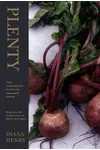
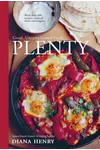
For the Budget-Conscious Foodie: Food from Plenty (2010)
For those looking to cook seasonally and economically without sacrificing taste, this volume is an essential guide. It focuses on making the most of leftovers, using cheaper cuts of meat, and celebrating simple grains and vegetables. It acts as a friendly kitchen manual for thrifty yet elegant eating.
Diana Henry Cookbooks in Publication Order
For readers who want to follow Diana Henry's growth as a writer and cook, reading or collecting her books in order of release shows how her focus shifted from regional travel narratives to highly practical weeknight solutions. Note that some years below represent original UK release dates, which may differ slightly from US editions or subsequent reissues.
- Crazy Water, Pickled Lemons: Gathering Writing and Recipes from the Eastern Mediterranean and North Africa (2002): Her debut collection, focusing on bold, aromatic ingredients from Southern Europe, North Africa, and the Middle East.
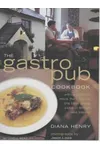
- The Gastropub Cookbook (2003): A celebration of elevated British pub fare, documenting the culinary shift in British dining culture toward high-quality, casual food.
- Roast Figs, Sugar Snow: Food to Warm the Soul (2005): A seasonal classic dedicated to the food of cold climates. A revised and expanded edition with modernized, quicker recipes was published in 2023.
- Pure Simple Cooking (2007): A shift toward uncomplicated, clean flavors, focusing on high-quality ingredients prepared with minimal fuss.
- Plenty (2010): Focused on seasonal thrift, leftovers, and stretching ingredients. (Later reissued internationally as Food from Plenty).
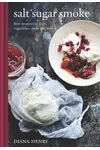
- Salt, Sugar, Smoke: How to Preserve Fruit, Vegetables, Meat and Fish (2012): A comprehensive masterclass on home preserving, covering jams, curds, pickles, cures, and smoked foods.
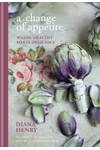
- A Change of Appetite: Where Delicious Meets Healthy (2014): An exploration of healthy eating that focuses on naturally light, vegetable- and grain-forward dishes inspired by Mediterranean and Asian cuisines, rather than diet restrictions.
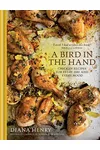
- A Bird in the Hand: Chicken Recipes for Every Day and Every Mood (2015): A highly focused single-ingredient book that won the James Beard Award. It categorizes chicken recipes by mood (e.g., supper, celebration, cozy).
- Simple: Effortless Food, Big Flavors (2016): A collection of straightforward recipes designed to deliver high-impact taste with reduced prep time, perfect for modern schedules.
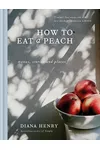
- How to Eat a Peach: Seasonal Recipes and Much More (2018): A deeply personal, menu-based cookbook structured around seasons and travel memories. It won the André Simon Food Book of the Year.
- From the Oven to the Table: Simple dishes that look after themselves (2019): A celebration of one-pot and traybake cooking, emphasizing ease, comfort, and bold flavor profiles.
Title Confusions and Compilation Caveats
When collecting Diana Henry’s works, there are two major points of confusion to keep in mind so you do not accidentally purchase duplicate copies or incorrect books:
The "Plenty" vs. "Food from Plenty" Identity
In 2010, Diana Henry published a cookbook titled Plenty, focusing on budget-friendly and leftover-centric meals. In the exact same year, chef Yotam Ottolenghi published his landmark vegetarian cookbook, also titled Plenty. To avoid market confusion and separate her work from Ottolenghi's veggie-focused book, Henry’s book was re-released in various markets and newer editions under the title Food from Plenty. The content inside both editions is identical; they are the same book.
The "How to Jug a Hare" Compilation
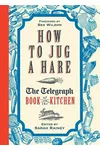
Some databases and retailer listings include the title How to Jug a Hare: The Telegraph Book of the Kitchen (2015) under Diana Henry’s bibliography. It is important to know that Diana Henry is not the author of this book. It is an anthology of recipes and food writing from The Telegraph newspaper, edited by Sarah Rainey. While Henry is a featured contributor due to her long-running column in the paper, the book features recipes from multiple writers and is not a standalone Diana Henry cookbook.
Thematic Reading Guide
If you prefer to read by topic rather than publication date, Henry's bibliography naturally divides into three major culinary themes:
1. Travel and Regional Gastronomy
These books read like travelogues, heavily weaving narrative history and place with recipes: Crazy Water, Pickled Lemons (Middle East/Mediterranean), Roast Figs, Sugar Snow (Northern/Alpine countries), and How to Eat a Peach (global seasonal menus).
2. Modern, Fast, and Practical Cooking
These books prioritize ease, speed, and approachable techniques for daily life: Pure Simple Cooking, Simple, and From the Oven to the Table.
3. Kitchen Craft and Ingredient Focus
These are deep-dives into specific kitchen skills or single ingredients: Salt, Sugar, Smoke (preserving), A Bird in the Hand (chicken), and Food from Plenty (economy/leftovers).