


Where to Start with Diana L. Paxson
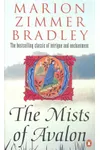
Diana L. Paxson is a master of mythological and historical fantasy, weaving deep spiritual themes, ancient lore, and vivid world-building into her stories. For readers new to her work, there are two primary entry points depending on your interests. If you enjoy feminist Arthurian fantasy and historical epics, start with the Avalon series (specifically either the classic The Mists of Avalon or the chronological start, Ancestors of Avalon). If you prefer rich world-building that blends post-apocalyptic elements with elemental magic, start with the Chronicles of Westria, beginning with Lady of Light.
The Avalon Series: A Tale of Two Orders
Originally conceived by Marion Zimmer Bradley, the Avalon series grew into a massive collaborative project. Diana L. Paxson was Bradley's sister-in-law and creative partner, helping write several books and eventually taking over the series entirely after Bradley's death. Because the books cover thousands of years of lore—from the destruction of Atlantis to the Arthurian era—readers must choose between publication order and chronological order.
The Chronological Order (Recommended for Lore Lovers)
Reading chronologically lets you follow the spiritual lineage of the priestesses and the rise of Avalon from its Atlantean roots. The chronological path is as follows:
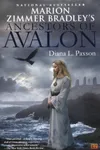
- Ancestors of Avalon (2004) – Explores the fall of Atlantis and the arrival of its survivors in Britain, laying the foundations of Avalon.
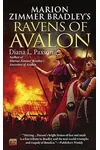
- Ravens of Avalon (2007) – Focuses on the Celtic resistance to Roman rule, centering on the warrior queen Boudica and the training of priestesses.
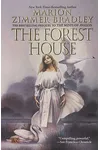
- The Forest House (1993) – Set in Roman Britain, focusing on the forbidden love between a Roman officer and a British priestess.
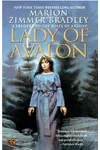
- Lady of Avalon (1997) – A collection of three novellas spanning several generations, bridging the gap between Roman Britain and the time of King Arthur.
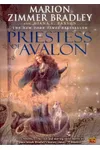
- Priestess of Avalon (2001) – Follows Helena, the mother of Emperor Constantine, as she travels between Rome and Avalon.
- The Mists of Avalon (1979) – The anchor of the series, detailing the Arthurian legend from the perspective of its women.
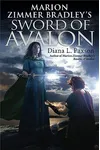
- Sword of Avalon (2009) – Set during the Bronze Age, tracking the forging of the sword that would one day become Excalibur.
The Publication Order (Recommended for First-Time Readers)
Starting with Bradley's original masterpiece allows you to appreciate the core themes before diving into the deep history and world-building that Paxson expanded upon later:
- The Mists of Avalon (1979)
- The Forest House (1993)
- Lady of Avalon (1997)
- Priestess of Avalon (2001)
- Ancestors of Avalon (2004)
- Ravens of Avalon (2007)
- Sword of Avalon (2009)
The Chronicles of Westria: Elemental Post-Apocalyptic Fantasy
Set in a far-future, post-apocalyptic California that has regressed to a feudal society, the Chronicles of Westria blend elemental magic, courtly intrigue, and environmental mysticism. Paxson recommends reading the series in its chronological order, which matches the order of publication. The story follows the defense of the kingdom of Westria and the recovery of the elemental jewels of power.
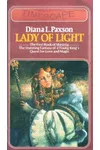
- Lady of Light (1982) – Introduces the kingdom and the initial struggle to preserve its magic.
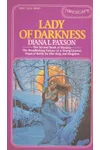
- Lady of Darkness (1983) – Continues the struggle against corruption and dark sorcery.
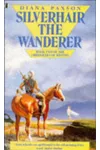
- Silverhair The Wanderer (1986) – Begins the second cycle, focusing on a new generation.
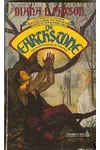
- The Earthstone (1987) – Follows the quest to protect the elemental stone of earth.
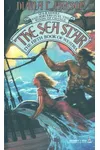
- The Sea Star (1988) – The quest for the elemental star of water.
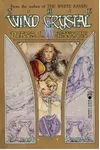
- The Wind Crystal (1990) – The quest for the air element.
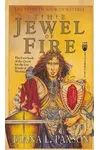
- The Jewel of Fire (1995) – The climactic retrieval of the fire jewel.
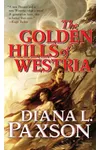
- The Golden Hills of Westria (2006) – The final novel, which completes the epic saga and binds the legacy of Westria together.
The Hallowed Isle: A Solo Arthurian Tetralogy
While Paxson is widely known for her Avalon work, she also wrote a standalone Arthurian retelling called the Hallowed Isle series. This tetralogy presents the classic legends of King Arthur with a strong focus on Celtic mythology and historical realism. The four books are structured as a single continuous story and must be read in order:
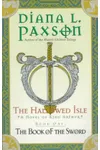
- The Book of the Sword (1999) – Focuses on Arthur's birth and the drawing of Excalibur.
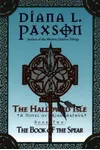
- The Book of the Spear (1999) – Explores the height of Camelot and the trials of the Round Table.
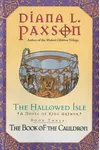
- The Book of the Cauldron (1999) – Focuses on the Grail Quest and the spiritual divisions of the realm.
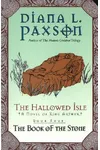
- The Book of the Stone (2000) – Concludes with the final battles and the passing of Arthur.
Mythic Retellings & Collaborations
Beyond her long-running series, Paxson has contributed to several other fantasy universes and mythic retellings:
Wodan's Children Trilogy
This trilogy is a historical fantasy retelling of the Nibelungenlied and the Norse Völsunga saga, tracking the lives, loves, and tragic destinies of Sigfrid and Brunhild:
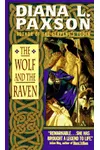
- The Wolf and the Raven (1993)
- The Dragons of the Rhine (1995)
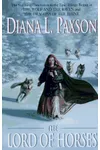
- The Lord of Horses (1996)
The Chronicles of Fionn mac Cumhal
Co-authored with Adrienne Martine-Barnes, this trilogy details the life of the legendary Irish hero Fionn mac Cumhaill:
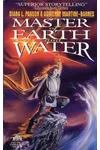
- Master of Earth and Water (1993)
- The Shield Between the Worlds (1994)
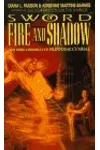
- Sword of Fire and Shadow (1995)
Notable Standalone Novels
- White Mare, Red Stallion (1976) – Set in ancient Scotland (Caledonia), exploring Celtic tribes and Roman conflict.
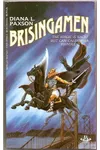
- Brisingamen (1984) – A modern fantasy novel that brings Norse mythology and the necklace of Freyja to 1980s California.
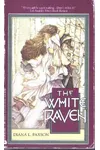
- The White Raven (1988) – A lyrical retelling of the Tristan and Iseult legend from the perspective of Iseult's handmaid, Branwen.
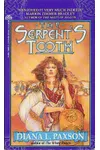
- The Serpent's Tooth (1991) – A retelling of the King Lear myth set in ancient Britain.
What to Know Before You Start
Paxson's fantasy writing is deeply informed by her real-life spiritual practices. As a founder of several Neopagan groups and a researcher of Norse runes, her descriptions of rituals, magic, and priesthoods feel grounded and realistic. Many of her books feature strong feminist themes, exploring the agency of women in traditional mythologies where they are often sidelined. For readers who enjoy her mythological magic systems, Paxson has also written several highly regarded non-fiction guides, including Taking Up the Runes and Essential Asatru, which provide insight into the research that powers her fiction.