









Where to Start in the Multiverse
Diana Wynne Jones was a master of subverting fantasy tropes, weaving stories filled with multidimensional worlds, eccentric wizards, and sharp-witted children. Because her worlds are vast and often interconnected, new readers frequently wonder where to begin. Depending on what style of fantasy you prefer, there are three ideal starting points:
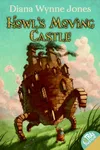
- For Whimsy, Romance, and Cozy Magic: Start with Howl’s Moving Castle (1986). It is her most famous work, featuring the unforgettable dynamic between the cursed Sophie Hatter and the dramatic wizard Howl.
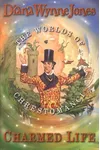
- For Classic Multiverse Adventures: Start with Charmed Life (1977). This is the book that introduced the world to the nine-lifed enchanter Chrestomanci and his duty of regulating magic across parallel universes.
- For Satire and Playful Deconstruction: Start with Dark Lord of Derkholm (1998), a hilarious but heartfelt parody of fantasy tropes where a magical world is forced to act as a fantasy theme park for tourists.
The Chrestomanci Series: Publication vs. Chronological Order
The Chrestomanci books are largely standalone adventures set within the same multiverse of "Related Worlds." Because they jump around in time and focus on different characters, readers generally debate between two orders. For your first read-through, the recommended order (similar to publication order) is best because it gradually explains the rules of the multiverse and the role of the Chrestomanci.
Option A: The Recommended/Publication Order
This is the best way to experience the series, as it lets you discover the mysteries of the magic system as the author originally presented them:
- Charmed Life (1977) – Introduces the magical multiverse, the orphans Cat and Gwendolen Chant, and the formidable Chrestomanci.
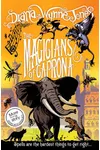
- The Magicians of Caprona (1980) – A magical retelling of Romeo and Juliet featuring rival spell-weaving families in an alternate Italy.
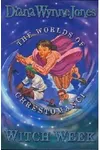
- Witch Week (1982) – Set in a world where magic is strictly forbidden and punishable by burning, where a school class realizes someone among them is a witch.
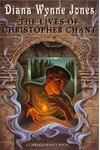
- The Lives of Christopher Chant (1988) – A prequel that explores the childhood of Christopher Chant (the Chrestomanci from the earlier books) and how he discovered his nine lives.
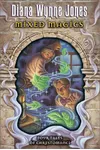
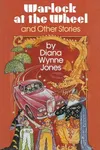
- Mixed Magics (2000) – A collection of four essential short stories: Warlock at the Wheel, The Sage of Theare, Stealer of Souls, and Carol Oneir's Hundredth Dream.
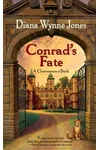
- Conrad's Fate (2005) – Another prequel focusing on a young Conrad working at a magical mansion, featuring a teenage Christopher Chant.
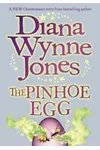
- The Pinhoe Egg (2006) – A direct sequel to the events of Charmed Life and the short story Stealer of Souls, bringing Cat Chant back into the spotlight.
Option B: The Chronological Timeline Order
If you want to read Christopher Chant's life story in chronological order, follow this sequence:
- The Lives of Christopher Chant
- Conrad's Fate
- Charmed Life
- Warlock at the Wheel (Short story in Mixed Magics)
- The Sage of Theare (Short story in Mixed Magics)
- Witch Week
- The Magicians of Caprona
- Stealer of Souls (Short story in Mixed Magics)
- The Pinhoe Egg
- Carol Oneir's Hundredth Dream (Short story in Mixed Magics)
The Dalemark Quartet: Publication Order is King
The Dalemark Quartet spans hundreds of years of Dalemark's history. While the third book, The Spellcoats, is historically a prequel set long before the others, fans strongly recommend reading the series in publication order. The final book ties all three prior narratives together, which makes saving it for last essential.
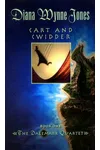
- Cart and Cwidder (1975) – Introduces a divided Dalemark through a family of traveling musicians who double as spies.
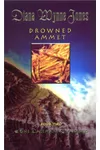
- Drowned Ammet (1977) – Focuses on the southern rebellion and mythological figures, running parallel to the timeline of the first book.
- The Spellcoats (1979) – A prequel set in Dalemark's ancient past, detailing the origins of the land's magic, gods, and the division between North and South.
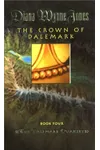
- The Crown of Dalemark (1993) – The epic conclusion that brings characters from the past and present together to unite Dalemark.
Howl's Castle: A Trilogy of Companion Novels
While Howl’s Moving Castle is famous worldwide, many readers do not realize it is the first part of a trilogy. However, these are companion novels rather than direct sequels. Each book introduces new main characters and settings, with Howl, Sophie, and Calcifer appearing in supporting roles or under clever disguises. You should read them in publication order to fully appreciate the returning characters:
- Howl's Moving Castle (1986) – The story of Sophie Hatter, wizard Howl, and the fire demon Calcifer.
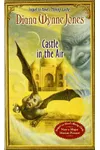
- Castle in the Air (1990) – An Arabian Nights-inspired tale following Abdullah, a carpet merchant who acquires a magical carpet and crosses paths with familiar faces from Ingary.
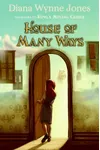
- House of Many Ways (2008) – Follows Charmain Baker, who is house-sitting a magical cottage with shifting dimensions, where she meets an disguised Howl and Sophie.
Magids and Derkholm: Satire and Crossovers
Jones wrote several smaller series that are highly regarded by fantasy fans. These should be read in their simple publication orders:
The Derkholm Series
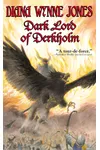
- Dark Lord of Derkholm (1998)
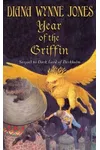
- Year of the Griffin (2000)
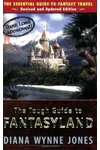
Tip: For the ultimate experience, read Jones's satirical non-fiction booklet The Tough Guide to Fantasyland (1996) before starting these. The Derkholm books are a direct narrative adaptation of the tropes mocked in the guide.
The Magids Series
- Deep Secret (1997)
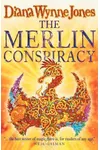
- The Merlin Conspiracy (2003)
These two books take place in the same multiverse and share the crossover character Nick Mallory. While they can be read independently, reading Deep Secret first gives necessary context to the Magids and the multiverse setup.
What to Know Before You Dive In
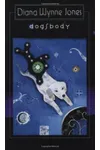
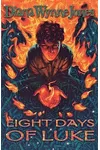
Jones’s stories do not hold your hand. She loved writing complex magic systems, unreliable narrators, and plots that seem chaotic until they perfectly click together in the final chapters. Keep in mind that many of her novels—such as Dogsbody (1975), Eight Days of Luke (1975), and Archer’s Goon (1984)—are completely standalone and do not require any prior reading.
Finally, readers should note that her posthumous novel, The Islands of Chaldea (2014), was left incomplete when she passed away in 2011. Her sister, Ursula Jones, completed the final chapters of the manuscript, creating a seamless and beautiful farewell to one of fantasy’s greatest voices.