






![The Planets: A Cosmic Pastoral[Poems]](https://images.booksonboard.com/books/117524/thumbnail/The-Planets-A-Cosmic-Pastoral-Poems.webp)






How to Approach Diane Ackerman's Books
Unlike novelists who write linear series, Diane Ackerman is a naturalist, poet, and essayist whose books are completely standalone. She weaves scientific curiosity with lyrical prose, meaning you do not need to follow a strict chronological storyline. Instead, her bibliography is grouped by theme: sensory explorations, nature and science writing, deeply personal memoirs, history, and poetry. Depending on what sparks your curiosity, you can jump in wherever you like.
The Core Reading Pathways: Where to Start
Because Ackerman has written over two dozen books, we recommend choosing a starting point based on the genre that speaks to you most:
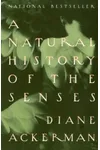
1. The Sensory Classic: A Natural History of the Senses (1990)
If you want to experience the book that defined Ackerman's signature style, start here. This bestseller is a rich, scientific, and poetic exploration of the five human senses (smell, taste, touch, hearing, and sight) alongside a sixth section on synesthesia. It is the perfect introduction to how she makes the everyday mechanics of biology feel magical and wondrous.
2. The Historical Narrative: The Zookeeper's Wife (2007)
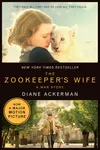
If you prefer narrative history, start with this New York Times bestseller. It tells the true story of Jan and Antonina Żabiński, Christian keepers of the Warsaw Zoo who saved hundreds of Jewish lives during World War World II by hiding them in animal cages and their own villa. It is a masterpiece that highlights the intersections of human courage, history, and the natural world.
3. The Memoir of Healing: One Hundred Names for Love (2011)
For readers who appreciate memoirs about human resilience and relationships, this Pulitzer Prize finalist is the best starting place. The book chronicles Ackerman's journey caring for her husband, the novelist Paul West, after a massive stroke left him with global aphasia. It is both a touching love story and a fascinating look at neuroscience and creative rehabilitation.
The "Natural History" Companion Cycle
While not a traditional sequence, Ackerman has written a series of companion books that use the "Natural History" moniker to explore human experience and nature through a unified lens:
- A Natural History of the Senses (1990): The foundation of the cycle, focusing on how we interact with the physical world.
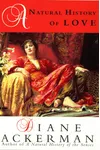
- A Natural History of Love (1994): A follow-up that applies her signature blend of science, history, and prose to the complexities of romance and affection.
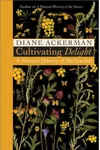
- Cultivating Delight: A Natural History of My Garden (2001): A smaller, more intimate look at the natural world through her own backyard, structured around the passing of the seasons.
Science, Wildlife, and the Anthropocene
Ackerman's background includes working with Carl Sagan, and her science writing is highly respected. These books can be read in any order, but reading them chronologically shows her growing focus on global ecology:
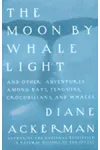
- The Moon by Whale Light (1991): A collection of firsthand adventures studying bats, penguins, crocodilians, and whales.
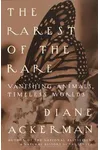
- The Rarest of the Rare (1995): An urgent, lyrical look at the world's most endangered animals and vanishing ecosystems.
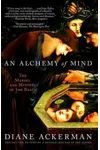
- An Alchemy of Mind (2004): A deep dive into the marvels and mysteries of the human brain, blending neuroscience with philosophical wonder. This book acts as a fantastic companion to her later memoir One Hundred Names for Love.
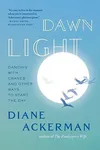
- Dawn Light: Dancing with Cranes and Other Ways to Start the Day (2009): A meditative look at the dawn of day, migration, and the natural rhythms of life.
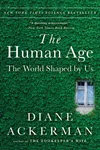
- The Human Age: The World Shaped By Us (2014): A comprehensive study of the Anthropocene, looking at how humanity has reshaped the planet and how nature is pushing back.
Complete List of Diane Ackerman's Books in Publication Order
Non-Fiction & Memoirs
- On Extended Wings (1985)
- A Natural History of the Senses (1990)
- The Moon by Whale Light and Other Adventures Among Bats, Penguins, Crocodilians and Whales (1991)
- A Natural History of Love (1994)
- The Curious Naturalist (1994)
- The Rarest of the Rare: Vanishing Animals, Timeless Worlds (1995)
- Monk Seal Hideaway (1995)
- A Slender Thread: Rediscovering Hope at the Heart of Crisis (1997)
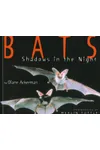
- Bats: Shadows in the Night (1997)
- The Book of Love (1998)
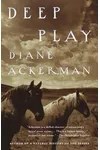
- Deep Play (1999)
- Cultivating Delight: A Natural History of My Garden (2001)
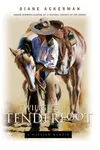
- Twilight of the Tenderfoot: A Western Memoir (2002)
- An Alchemy of Mind: The Marvel and Mystery of the Brain (2004)
- The Zookeeper's Wife (2007)
- Dawn Light: Dancing with Cranes and Other Ways to Start the Day (2009)
- One Hundred Names for Love: A Memoir (2011)
- The Human Age: The World Shaped By Us (2014)
Poetry Collections & Verse Drama
- The Planets: A Cosmic Pastoral (1976)
- Wife of Light (1978)
- Lady Faustus (1983)
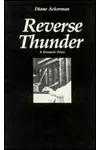
- Reverse Thunder: A Dramatic Poem (1988)
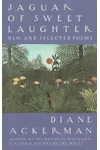
- Jaguar of Sweet Laughter: New and Selected Poems (1991)
- I Praise My Destroyer: Poems (1998)
- Origami Bridges: Poems of Psychoanalysis and Fire (2000)
- The Senses of Animals: Poems (2000)
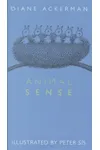
- Animal Sense (2003)
Anthologies Edited or Contributed To
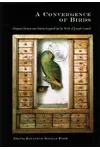
- A Convergence of Birds (2001)
- When The Wild Comes Leaping Up (2002)
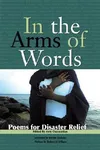
- In the Arms of Words: Poems for Disaster Relief (2005)
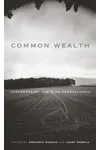
- Common Commonwealth: Contemporary Poets on Pennsylvania (2005)
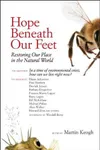
- Hope Beneath Our Feet (2010)
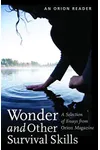
- Wonder and Other Survival Skills (2012)
What to Know Before You Start
Because Ackerman began her career as a poet, her prose style is highly sensory and metaphorical. If you are looking for dry, academic science texts, her writing might surprise you; she actively seeks to emotionalize and romanticize scientific observation. Additionally, while her books are standalone, there are a few interesting tie-ins: her children's books Monk Seal Hideaway and Bats: Shadows in the Night serve as companion extensions of the wildlife adventures she undertook for her adult books like The Rarest of the Rare and The Moon by Whale Light.