








Where to Start Reading Dilman Dila
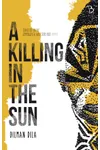
For readers new to Dilman Dila's unique brand of African speculative fiction, the absolute best place to start is his debut short story collection, A Killing in the Sun (2014). This book compiles ten atmospheric tales that perfectly showcase his ability to merge traditional oral storytelling, supernatural horror, and futuristic sci-fi. It includes the acclaimed title story, which was shortlisted for the Commonwealth Short Story Prize.
If you prefer a more recent starting point, look no further than Where Rivers Go to Die (2023). This collection of eight stories was shortlisted for the prestigious Philip K. Dick Award in 2024. It offers a spectacular mix of Africanfuturism, space exploration, and urban fantasy, making it an excellent showcase of Dila's narrative evolution.
For readers who prefer single-narrative works rather than short fiction collections, the novella The Future God of Love (2021) or his early legend-inspired novelette The Terminal Move (2012) serve as excellent standalone gateways.
The Luna Novella Publishing Line Clarified
In many book databases, Dilman Dila's work is listed alongside a series called the "Luna Novella Books." It is crucial for readers to know that this is not a single-author continuous series. Instead, it is an annual publishing line of standalone novellas curated by Luna Press Publishing, featuring works by many different authors.
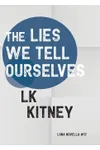
Dilman Dila contributed one specific book to this line: The Future God of Love (2021), which was published as Book 4 in the inaugural batch. The other titles in that list—such as Of Fire and Stone (by Nina Oram), Just Add Water (by John Dodd), and Dread and the Broken Witch (by Andrew Wallace)—are entirely separate stories set in different universes. You do not need to read any other Luna Novella release to fully enjoy Dila's contribution.
Dilman Dila's Core Works in Publication Order
Because Dilman Dila's books are standalone stories and collections, there is no strict narrative continuity to follow. However, reading them in publication order allows you to experience the growth of his speculative style. Here is the chronological order of his major standalone releases and collections:
- The Terminal Move (2012) – A fantasy novelette inspired by ancient Luo migration legends, focusing on displaced tribes and a rebellion led into a mysterious valley.
- Cranes Crest at Sunset (2013) – A cross-cultural novella tracing the relationship between a Nepali immigrant and a Ugandan herdsman.
- A Killing in the Sun (2014) – Dila's landmark collection of ten speculative, horror, and sci-fi stories.
- The Future God of Love (2021) – A science fiction novella examining futuristic relationships, folklore, and technology.
- Where Rivers Go to Die (2023) – A collection of eight speculative stories blending ecological themes, space travel, and African folklore.
Key Anthologies and Short Fiction
Dilman Dila is a prolific short story writer whose works have appeared in several landmark speculative fiction anthologies. If you want to dive deeper into his bibliography, keep an eye out for these collections:
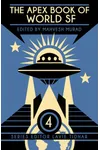
- "How My Father Became a God" – Featured in The Apex Book of World SF 4 (2015), this story offers a brilliant look at ancestral worship and technology.
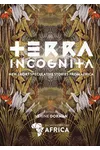
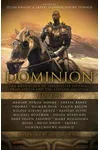
- "Red_Bati" – Published in the highly acclaimed Dominion: An Anthology of Speculative Fiction from Africa and the African Diaspora (2020), following a sentient robotic dog aboard a spaceship.
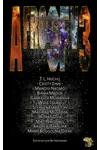
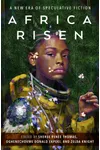
- "The Blue House" – Published in the groundbreaking anthology Africa Risen (2022).
- "Yat Madit" – A story that inspired a popular Ugandan television drama series, exploring post-conflict healing and community.
What to Know Before You Start
Dilman Dila is not just a writer; he is also an accomplished, self-taught filmmaker. His cinematic background heavily influences his prose, which is highly visual, fast-paced, and relies on vivid sensory details. His stories are deeply rooted in the oral traditions of Uganda, yet they seamlessly integrate modern science fiction tropes like artificial intelligence, space colonization, and corporate exploitation. Readers should prepare for narratives that challenge Western conventions of speculative fiction, trading clean-cut technological explanations for rich, mythic, and socially conscious realities.