
How to Navigate the Sprawling Multiverse
D.K. Holmberg is one of the most prolific authors in modern indie fantasy, having published hundreds of novels. Because his bibliography is so vast, new readers are often intimidated by the sheer volume of his work. The most important thing to understand before diving in is that Holmberg organizes his work into distinct shared worlds. Within these worlds, different series share history, lore, and occasionally characters, but they are written to be self-contained. You do not need to read every single book in a shared universe to understand a specific series.
For the best experience, readers should choose one series, read it from start to finish in publication order, and then decide if they want to explore companion series set in the same world or move on to a completely different universe.
The Best Starting Points for New Readers
If you are new to Holmberg's writing, starting with his most popular and foundational series is highly recommended. These entry points highlight his strengths in elemental magic systems, fast-paced action, and character-driven plots:
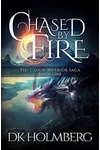
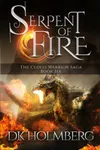
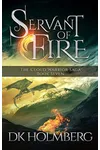
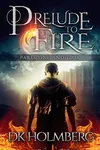
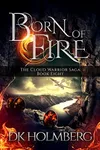
- The Cloud Warrior Saga (Start with Chased by Fire): This is the series that launched Holmberg's career as a full-time writer. It follows Tan, a young man who discovers his affinity for elemental wind magic in a world filled with ancient mysteries and dangerous beasts. It is accessible, classic epic fantasy with strong YA crossover appeal.
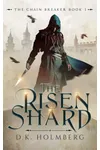
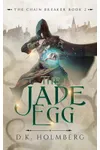
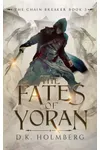
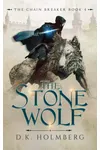
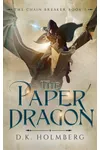
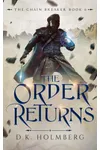
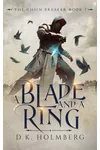
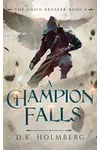
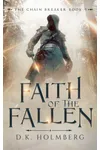
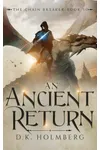
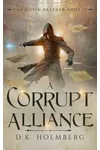
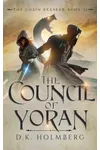
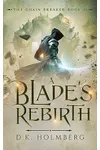
- The Chain Breaker (Start with The Risen Shard): If you prefer grittier, action-heavy fantasy, this is the ideal entry point. It follows Gavin Lorren, a lethal assassin trying to escape his past and avoid the very magic he was trained to serve. It features elements of progression fantasy and sword-and-sorcery.
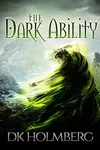
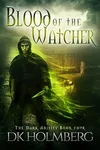
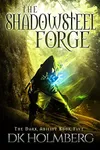
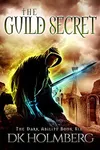
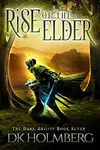
- The Dark Ability (Start with The Dark Ability): Perfect for fans of rogue and thief protagonists. This series blends urban and epic fantasy elements, focusing on a young protagonist who must navigate the secrets of a shadowy guild and harness a dark magic power.
Exploring the Shared Worlds
Many of Holmberg's series are grouped into distinct world clusters. Understanding these connections helps you decide what companion series to pick up next.
1. The Cloud Warrior World
This world revolves around elemental magic, storm-shrouded landscapes, and deep historical lore. The series within this world include:
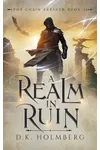
- The Endless War: Set thousands of years before the events of the main saga, focusing on the historical conflicts that shaped the world's elemental magic.
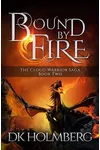
- The Cloud Warrior Saga: The core 14-book series following Tan.
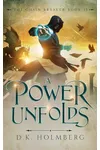
- Elemental Academy: A series centering on younger students learning to master their elemental affinities in a structured academy setting.
- Elemental Warrior: A direct progression of the world's magic focus, bridging martial combat and elemental powers.
2. The Dark Ability World
A darker, lore-heavy setting where secret guilds, watchers, and ancient shadow forces collide. It includes:
- The Dark Ability: The primary starting point for this universe.
- The Shadow Accords: Focuses on the political and magical treaties governing the world's shadow-blessed individuals.
- The Collector Chronicles: A trilogy focusing on the hunt for magical artifacts and hidden truths.
- The Sighted Assassin: Explores the deadly intersection of assassin training and magical foresight.
- The Elder Stones Saga: Focuses on the remnants of ancient powers and revenge.
3. The Chain Breaker World
Focused on Yoran and surrounding lands, this world is characterized by hard magic structures, guilds, and martial combat. It includes:
- The Chain Breaker: The massive 15-book anchor series following Gavin Lorren.
- The Dark Sorcerer: Following Jayna, a magic user navigating the dangerous politics of the Sorcerers' Society.
- The Executioner's Song: A gritty look at the enforcement of law and magic in the shared realm.
- First of the Blade: Follows Imogen and other blade-wielders, featuring character cameos that tie directly into Gavin's adventures.
4. The Lost Prophecy World
An epic fantasy setting dealing with prophecy, madness, and ancient relics. A notable aspect of this world is its chronological progression:
- The Teralin Sword: A 6-book series that chronologically precedes The Lost Prophecy. It serves as an excellent historical backdrop.
- The Lost Prophecy: The main 8-book saga dealing with the threat of magical madness.
- Volatar Saga: Explores the magical lineages and wars tied to the deeper history of this universe.
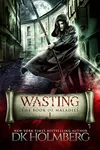
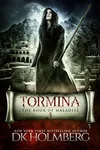
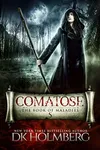
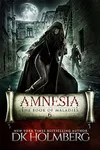
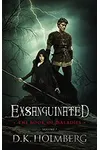
- The Book of Maladies, The Lost Garden, and The Painter Mage: Companion series exploring alternative magic systems (like painting and nature magic) and distinct characters within the same setting.
Collaborations with Dan Michaelson
D.K. Holmberg has co-authored several popular series with writer Dan Michaelson. These stories generally lean heavily into progression fantasy, dragon riding, and LitRPG-adjacent magic systems. If you enjoy one of these, you will likely enjoy the others, as they share a fast-paced, collaborative style:
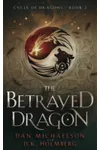
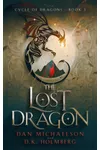
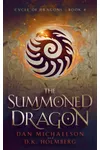
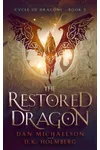
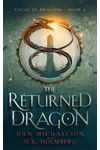
- Cycle of Dragons: A series focused on dragon bonding and combat.
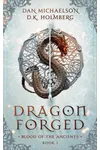
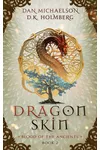
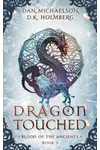
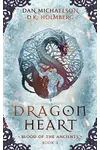
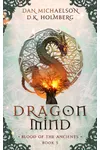
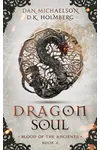
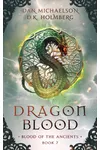
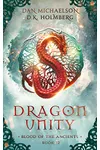
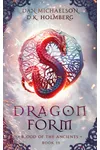
- Blood of the Ancients: A long-running saga beginning with Dragon Forged, centering on ancient dragon magic.
- Essence Wielder: Explores a structured system of gathering and channeling magical essences.
- The Tether Bond: Focuses on bonded partnerships and defensive magic.
- Dragon's Dawn: A newer series exploring the origins of dragon-human bonds.
Publication Order vs. Chronological Order
Because Holmberg frequently writes prequels, readers often wonder if they should read chronologically. For instance, in the Cloud Warrior World, The Endless War takes place thousands of years before The Cloud Warrior Saga. In the Lost Prophecy World, The Teralin Sword takes place before the events of The Lost Prophecy.
Recommendation: Always read in publication order. Prequels like The Endless War assume the reader is already familiar with the magic system and world-building introduced in The Cloud Warrior Saga. Reading them first can lead to confusion. Start with the core series, then read the prequels to uncover the historical lore.