


















Where to Start Reading Donald Barr Chidsey
Donald Barr Chidsey was a master of mid-century popular storytelling. Because he wrote primarily standalone historical adventures, pulp stories, and informal histories rather than long-running, serialized fiction, there is no single 'correct' path. Instead, the best entry point depends entirely on what kind of adventure you are looking for.
Path 1: The Swashbucklers & Sea Adventures
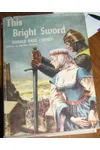
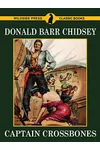
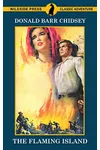
If you love classic sea-faring tales in the style of Rafael Sabatini, start with Chidsey's historical novels. The absolute best starting point is Captain Crossbones (1958), which follows a daring pirate navigating romance and high-stakes treachery in the Bahamas. If you prefer medieval England, pick up This Bright Sword (1957), a gripping adventure surrounding the return of King Richard the Lionheart. For a South Seas tropical setting inspired by Chidsey's own time managing a Tahitian plantation, start with The Flaming Island (1959).
Path 2: The American Revolution Chronological Order
Chidsey is highly regarded for his 'informal histories'—fast-paced, conversational non-fiction books that read like novels. While published as standalones, his books on the American Revolution and early United States can be read in chronological order to follow the historical timeline. If you want to read his American history sequence chronologically, use this order:
- The French and Indian War: An Informal History (1969) – Sets the prelude to the conflict.
- The Great Separation: The Story of the Boston Tea Party and the Beginning of the American Revolution (1965) – Explores the initial sparks of rebellion.
- The Siege of Boston (1966) – An on-the-scene account of the war's opening phase.
- The Tide Turns: An Informal History of the Campaign of 1776 (1966) – Focuses on the critical early campaigns.
- The War in the North (1967) – Covers the campaigns in and around New York.
- Valley Forge (1959) – Focuses on the brutal, pivotal winter of crisis.
- The War in the South (1971) – Details the fighting in the Carolinas and Georgia.
- Victory at Yorktown (1962) – Covers the final major military campaign.
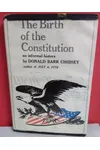
- The Birth of the Constitution (1964) – Chronicles the creation of the nation's founding document.
Path 3: The Golden Age Pulp Detective Stories
Before writing bestselling historical novels, Chidsey made a name for himself in legendary pulp magazines like Black Mask, Argosy, and Detective Fiction Weekly. If you want to explore his gritty crime writing, look for these recurring character stories in anthologies or back-issues:
- Morton & McGarvey: A popular series following two daredevil Miami police officers, published in Detective Fiction Weekly.
- Nick Fisher & Eddie Savoy: A unique cop-and-crook team-up series from Argosy, featuring a hard-boiled insurance investigator who joins forces with the thief he was tracking.
- Sergeant Fletcher Steel: A quirky 'test-tube detective' with toothpick limbs who solves crimes using Richmond City laboratory equipment, appearing in late 1930s issues of Detective Fiction Weekly.
What to Know Before You Start
Chidsey's books reflect his own incredibly colorful life. Before finding success as an author, he traveled the world on tramp steamers, managed a Tahitian coconut plantation, fenced competitively, and drove ambulances during World War II. This lived experience gave his adventure novels a level of authenticity and atmosphere that set him apart from armchair writers.
His non-fiction histories prioritize narrative momentum and human drama over dry academic analysis. While highly engaging, some contemporary reviewers noted that his playful tone could occasionally prioritize a good story over strict academic presentation. Nonetheless, his work was widely praised for making history accessible, earning the Colonial Dames of America Award in 1965 for The Birth of the Constitution.
Publication Order of Standalone Novels
If you prefer to read Chidsey's fiction in the order it was written, follow this publication timeline. Notice his prolific output in the late 1950s, when he was writing multiple adventure novels a year:
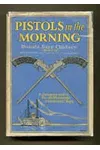
- Pistols In The Morning (1930)
- Weeping Is For Women (1936)
- Each One Was Alone (1938)
- Panama Passage (1946)
- Stronghold (1948)
- Rod Rides High (1950)
- Captain Adam (1953)
- Captain Bashful (1955)
- Singapore Passage (1956)
- This Bright Sword (1957)
- Captain Crossbones (1958)
- His Majesty's Highwayman (1959)
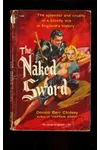
- The Naked Sword (1959)
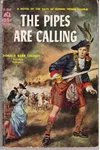
- The Pipes Are Calling (1959)
- Lord Of The Isles (1959)
- The Flaming Island (1959)
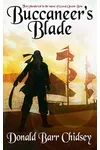
- Buccaneer's Blade (1959)
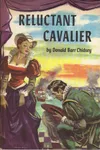
- Reluctant Cavalier (1960)
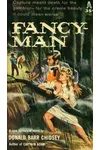
- Fancy Man (1960)
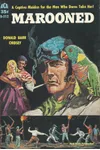
- Marooned (1961)
- The Wickedest Pilgrim (1961)
- Edge Of Piracy (1964)
- The Legion Of The Lost (1967)
Publication Order of Non-Fiction & Biographies
Chidsey began his career writing biographies of historical figures before transitioning to broad military campaigns and thematic histories. Here is the publication order of his major non-fiction works:
- Bonnie Prince Charlie (1928)
- Marlborough: The Portrait of a Conqueror (1929)
- Sir Walter Raleigh (1931)
- Sir Humphrey Gilbert (1932)
- The Gentleman from New York: A Life of Roscoe Conkling (1935)
- John the Great: John Sullivan (1942)
- Elizabeth I: A Great Life in Brief (1955)
- Valley Forge (1959)
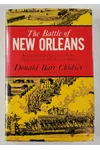
- The Battle of New Orleans (1961)
- Victory at Yorktown (1962)
- The American Privateers (1962)
- Goodbye to Gunpowder (1963)
- The Birth of the Constitution (1964)
- The Great Separation (1965)
- The Siege of Boston (1966)
- The Tide Turns (1966)
- The Day They Sank the Lusitania (1967)
- Shackleton's Voyage (1967)
- The War in the North (1967)
- The Great Conspiracy (1967)
- The War With Mexico (1968)
- The California Gold Rush (1968)
- The French and Indian War (1969)
- On and Off the Wagon (1969)
- The Panama Canal (1970)
- Lewis and Clark: The Great Adventure (1970)
- The Wars in Barbary (1971)
- The Spanish–American War (1971)
- The War in the South (1971)
- The Loyalists (1973)
- The World of Samuel Adams (1974)
- Mr. Hamilton and Mr. Jefferson (1975)
- Andrew Jackson, hero (1976)
- And Tyler too (1978)
- John Churchill, First Duke of Marlborough (1992)
- July 4, 1776 (2021)