
The Recommended Reading Order
Donna Barba Higuera’s books fall into distinct categories, making your starting point dependent on which genre you want to explore first. The absolute best way to read her work is to follow these recommended pathways based on age and interest:
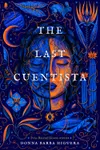
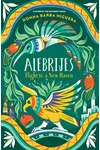
- For Dystopian Sci-Fi Lovers (Middle Grade / YA): Start with the Cuentista Universe. You should read this trilogy in strict publication order, beginning with the award-winning The Last Cuentista, followed by the companion novel Alebrijes, and concluding with Firesnake.
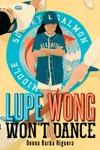
- For Laugh-Out-Loud Contemporary Stories (Middle Grade): Read her debut novel, Lupe Wong Won't Dance. It stands completely on its own.
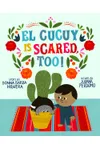
- For Young Readers (Early Chapter Books & Picture Books): Dive into the El Cucuy universe. Begin with the picture books El Cucuy Is Scared, Too! and It's Navidad, El Cucuy!, then transition into the chapter book spin-off series, The Unlikely Aventuras of Ramón and El Cucuy.
The Cuentista Trilogy (Dystopian Sci-Fi)
This is Higuera’s signature series. While the first two books seem like separate stories at first, they are set in the same post-apocalyptic universe. They lay the groundwork for a massive collision of characters in the third book.
1. The Last Cuentista (2021)
The story begins here. Petra Peña wants nothing more than to be a storyteller, a cuentista, like her grandmother. But Earth is about to be destroyed by Halley's Comet, and Petra’s family is among the few chosen to travel to a new planet, Sagan. After waking from a 370-year cryogenic sleep, Petra discovers that a sinister collective called the Collective has taken control of the ship, erasing everyone's memories of Earth. As the only person who still remembers the past, Petra must use her grandmother's stories to keep humanity's spirit alive.
2. Alebrijes (2023)
Instead of continuing Petra's journey in space, the second book returns to Earth, shifting the focus to a post-apocalyptic wasteland. Readers follow Leandro, a boy belonging to the marginalized Cascabel class living in the oppressive city of La Copula. When Leandro is exiled to the wilderness, his consciousness is uploaded into a mechanical bird-like drone, known as an alebrije. This book serves as a companion sequel, revealing what happened to the humans left behind on Earth while showcasing themes of survival, identity, and the preservation of history.
3. Firesnake (2026)
Released in June 2026, Firesnake is the grand finale of the Cuentista trilogy. In this final installment, the separate storylines and worlds of Petra (from The Last Cuentista) and Leandro (from Alebrijes) collide. It is a thrilling resolution that ties together the cosmic journey and the terrestrial resistance, emphasizing the importance of ancestral roots, storytelling, and collective memory in rebuilding civilization.
The Ramon and El Cucuy Universe (Early Readers)
For younger readers, Higuera has crafted a heartwarming and humorous series centered on the friendship between a young human boy, Ramón, and the misunderstood Mexican boogeyman, El Cucuy. This universe is split into picture books and early chapter books.
The El Cucuy Picture Books
These beautifully illustrated picture books are perfect for introducing young children to Mexican folklore and helping them overcome common fears.
- El Cucuy Is Scared, Too! (2021): Introduces Ramón, a boy who has just moved to a new city, and El Cucuy, the monster who lives in his closet. Surprisingly, El Cucuy is just as frightened of the new surroundings as Ramón is, leading to an unlikely friendship.
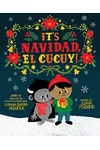
- It's Navidad, El Cucuy! (2023): A festive holiday follow-up where Ramón helps El Cucuy understand Christmas traditions, proving that even spooky monsters can celebrate holiday warmth.
The Unlikely Aventuras of Ramón and El Cucuy (Chapter Books)
Higuera expanded the picture books into an early chapter book spin-off series, featuring illustrations by Juliana Perdomo. These books are designed for transitional readers transitioning from picture books to middle-grade novels.
- Book 1: The Unlikely Aventuras of Ramón and El Cucuy (2025): The duo embarks on magical, folklore-infused neighborhood escapades, blending humor and cultural heritage.
- Book 2: Don't Eat the Birthday Boy! (2026): Ramón and El Cucuy navigate the high-stakes chaos of a birthday party, where El Cucuy must resist his monster instincts to ensure the celebration is a success.
Standalone Novels & Picture Books
Higuera’s standalone titles showcase her versatility, ranging from hilarious middle-grade contemporary fiction to quiet, emotional picture books.
Lupe Wong Won't Dance (2020)
Higuera’s debut novel is a humorous contemporary middle-grade story. Lupe Wong is a sports-obsessed, biracial (Chinese and Mexican) girl determined to become the first female pitcher in Major League Baseball. Her plans are derailed when she learns that she must pass a square-dancing unit in gym class to meet her favorite pitcher. The novel is highly recommended for readers looking for themes of identity, social justice, and sports, all told with a sharp, comedic voice.
The Yellow Handkerchief (2023)
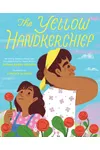
Illustrated by Daniel Miyares, this lyrical standalone picture book is a gentle story about family heritage, memory, and the bond between a young girl and her grandfather. It is inspired by Higuera's own grandfather, making it one of her most personal and emotional books.
What to Know Before You Start
Before diving into Higuera's books, there are a few stylistic choices to keep in mind. She frequently incorporates "Spanglish" and terms from Mexican folklore directly into her text without immediate translation. This reflects the natural speech of biracial characters and helps immerse the reader. Additionally, her stories consistently elevate storytelling itself as a form of cultural survival and resistance, whether it's through traditional cuentos told in a futuristic starship or monsters sharing childhood fears in a closet. While the Cuentista series deals with heavy dystopian elements, Higuera maintains a strong undercurrent of hope, humor, and resilience that makes her books deeply comforting.