

Where to Start with Donna Morrissey
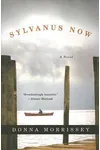
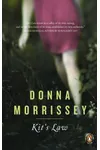
For readers new to Donna Morrissey, the best starting point depends on whether you want a standalone masterpiece or a multi-generational family saga. If you prefer a single, self-contained story, start with her stunning debut novel, Kit's Law. This book introduces her trademark style: rich Newfoundland dialect, dark family secrets, and characters as rugged as the coastal landscape they inhabit. If you want to commit to a deeper family drama, begin with Sylvanus Now, which kicks off her acclaimed Now Family trilogy. While all of her novels can technically be read as standalones, starting with these key works offers the most satisfying introduction to her literary world.
The Now Family Trilogy (The Sylvanus Now Series)
Though Donna Morrissey is celebrated for her standalone fiction, she also penned a loosely connected trilogy centered on the Now family. This saga spans decades, charting the transition of Newfoundland's traditional fishing outports into the modern industrial era. The series is best read in publication order to fully appreciate the character arcs and the generational impact of family tragedies.
1. Sylvanus Now (2004)
Set in the 1950s, this novel introduces Sylvanus Now, a young, energetic fisherman dedicated to the sea, and Adelaide, a woman who dreams of escaping the isolated outport life. Their love story unfolds against the looming shadow of the ecological collapse of the cod fishery. Morrissey captures a vanishing way of life with historical precision, making it the perfect foundation for the trilogy.
2. What They Wanted (2006)
This sequel shifts focus to the next generation, following Sylvanus and Adelaide's son, Chris Now. When the cod moratorium devastates the local economy, Chris is forced to leave Newfoundland to find work in the booming oil sands of Alberta. The novel explores themes of displacement, the clash between tradition and modern industry, and the heavy emotional toll of economic migration on family bonds.
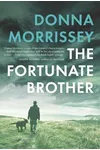
3. The Fortunate Brother (2016)
The trilogy concludes with a shift in tone toward a gripping mystery. Centered on Kyle Now, the younger brother of Chris, the family is grieving a devastating industrial accident when a local man is found murdered. As suspicion falls on the Now family, Kyle must navigate his own grief and the secrets of his community. While it works beautifully as a standalone crime drama, the emotional stakes are far higher if you have followed the family's journey from the beginning.
The Standalone Novels
Morrissey's standalones are powerful historical and contemporary dramas that showcase her versatility in capturing different eras of Canadian history. They can be read in any order, though reading them in publication order shows the evolution of her writing.
Kit's Law (1999)
Morrissey’s debut remains one of her most beloved works. Set in a remote outport during the mid-20th century, it follows fourteen-year-old Kit Pitman and her intellectually disabled grandmother, Lizzie, as they fight to stay together despite the intervention of well-meaning neighbors and the threat of a dark local secret. It is a raw, emotional coming-of-age story that established Morrissey as a major voice in Canadian literature.
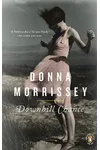
Downhill Chance (2002)
Set during and after World War II, this novel follows the rivalries and secrets of two Newfoundland families, the Gales and the Osmonds. Centered on Clair Gale, the narrative explores the devastating impact of war on small, tight-knit communities, detailing how secrets passed down through generations can dictate the fortunes of the living.
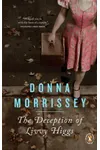
The Deception of Livvy Higgs (2012)
This novel utilizes a dual-timeline structure. In 2009 Halifax, eighty-year-old Livvy Higgs suffers a series of mini heart attacks during a winter storm, triggering vivid flashbacks to her childhood on Newfoundland’s French Shore during the 1930s and 1940s. The story slowly unravels the layers of deception surrounding her parents' marriage, her controlling grandmother, and a neighbor in the present day who harbors secrets of her own.
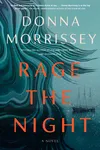
Rage the Night (2023)
Morrissey’s most historically ambitious novel, this story follows Roan, a young man searching for the truth of his parentage in 1914. His quest takes him onto the ill-fated ice floes of the North Atlantic aboard the SS Newfoundland, placing him directly inside the harrowing real-life tragedy of the 1914 Newfoundland Sealing Disaster. It is a brutal but deeply human story of survival and brotherhood.
Chronological Reading Order by Historical Setting
For readers who want to experience Donna Morrissey's books based on the historical era in which they are set rather than when they were written, you can follow this chronological path:
- Rage the Night (2023) – Set in 1914 during the sealing disaster.
- The Deception of Livvy Higgs (2012) – Flashbacks cover the 1930s and 1940s, while the frame story takes place in 2009.
- Downhill Chance (2002) – Set during the World War II era and its aftermath.
- Sylvanus Now (2004) – Set during the mid-1950s fishing boom and bust.
- Kit's Law (1999) – Set in the mid-to-late 20th century.
- What They Wanted (2006) – Set during the late 20th century Alberta oil sands transition.
- The Fortunate Brother (2016) – Set in the early 21st century.
Memoirs and Children's Books
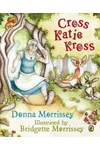
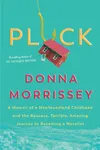
In addition to her adult fiction, Morrissey has written in other genres that enrich the reading experience of her primary novels. Her 2021 memoir, Pluck: A Memoir of a Newfoundland Childhood and the Raucous, Terrible, Amazing Journey to Becoming a Novelist, is a highly recommended companion piece. It details her upbringing in the roadless outport of The Beaches, her early struggles with mental health, and the medical misdiagnosis that pushed her to write. For younger readers, she published Cross Katie Kross (2012), a children's book illustrated by her daughter Bridget, which carries her signature Newfoundland flavor into a fable-like story.
What to Know Before You Start
Before diving into Morrissey's bibliography, readers should be prepared for her use of authentic Newfoundland English vernacular. The dialogue is written phonetically to preserve the rhythmic cadence and unique vocabulary of the outports. While this can take a chapter or two to get used to, it creates a deeply immersive atmosphere. Additionally, her books frequently deal with heavy themes, including generational trauma, economic hardship, isolation, and intense grief, though these elements are always balanced by a resilient, dry maritime humor.