










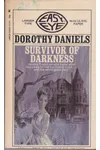
Recommended Starting Points for Dorothy Daniels
If you are new to the atmospheric, mystery-laden world of Dorothy Daniels, deciding where to start among her 140+ novels can feel daunting. Because the vast majority of her books are standalone gothic romances, you do not need to follow a strict chronological sequence. Instead, the best path is to begin with her most celebrated and defining works to get a true feel for her signature style.
Here are the recommended entry points for new readers:
- Shadow Glen (1965): This is Daniels's first official gothic romance. It introduces her classic formula: a courageous heroine, a sprawling estate filled with secrets, and first-person narration that pulls you straight into the suspense. It is the perfect starting point to understand the foundations of her writing.
- Cliffside Castle (1965): Published in the same year as her gothic debut, this novel showcases her ability to build suspense around a forbidding, isolated location. It is a fan-favorite that features all the hallmark tropes of the 1960s gothic paperback craze.
- Mystic Manor (1966): Widely regarded as one of her most atmospheric and unique books, this novel incorporates elements of voodoo, betrayal, and a vivid, living Southern setting. It demonstrates Daniels's knack for rich character development that goes beyond simple gothic stereotypes.
- House of Silence (1980): If you want to see how her style evolved over her career, this was her final traditional gothic romance. It represents a mature culmination of her suspense-building techniques and character dynamics.
What to Know Before You Start
Before diving into Dorothy Daniels's extensive library, there are a few unique aspects of her career and writing style that will help you appreciate her work:
The Dorothy and Norman Daniels Partnership
For many years, readers and collectors debated whether Dorothy Daniels was a real person or a pen name for her husband, Norman Daniels, a highly prolific detective and spy fiction writer. Today, it is well-established that Dorothy was indeed a real person. However, their writing process was highly collaborative. The couple often edited each other's work, brainstormed plots together, and shared a writing office. In interviews, they even admitted that their contributions to certain manuscripts became so intertwined that they sometimes could not remember who wrote which paragraph. When reading Dorothy Daniels, you are experiencing the output of a unique literary partnership.
Her Resilient Heroines
Unlike many mid-century gothic novels that featured helpless damsels in distress, Dorothy Daniels made a conscious effort to write resilient, intelligent heroines. While her characters still navigated traditional romantic arcs and faced terrifying mysteries, they did so using their wits, courage, and moral integrity. This predictability—knowing the heroine would ultimately triumph over evil—provided a sense of comfort and escapism for millions of readers during the turbulent 1970s.
The Maze of Pseudonyms
Dorothy Daniels was incredibly prolific, writing around 150 novels. To manage this massive output and publish across different houses (such as Lancer, Warner Books, and Pocket Books) without oversaturating the market, she used several pseudonyms. When hunting down her paperbacks in used bookstores or online, look out for these names: Angela Gray, Suzanne Somers, Helen Gray Weston, Daniella Dorsett, Cynthia Kavanaugh, Geraldine Thayer, and Helaine Ross. Most modern reprints or bibliographies list these under her primary name, but original paperbacks will carry these pen names.
The Strange Paradise Trilogy
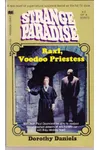
While standalones dominate her career, Daniels wrote a notable three-book series based on the Canadian gothic soap opera Strange Paradise. The show, which aired from 1969 to 1970, was a sister production to the famous Dark Shadows and featured similar themes of voodoo, ancient curses, and mystery on a remote island. Daniels was hired to write tie-in novels that expanded on the show's lore. Unlike her standalones, these books should be read in order:
- Strange Paradise (1969): Introduces the mysterious island of Jean Serge Desmond, a wealthy man attempting to bring his deceased wife back to life using voodoo.
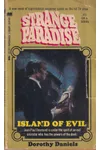
- Island of Evil (1970): Continues the dark happenings on the island as the forces of evil tighten their grip on the characters.
- Raxl, Voodoo Priestess (1970): Focuses on the powerful and sinister voodoo priestess Raxl, serving as a climax to the trilogy's supernatural conflicts.
The Valcour Series
In the early 1980s, the gothic romance craze began to wane, and publishers shifted their focus toward historical romance and family sagas. Daniels adapted to this trend by writing the Valcour series. Set against historical backdrops, these books follow the romantic and personal struggles of the Valcour family. They represent her final published works before her retirement:
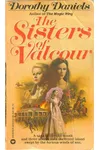
- Sisters of Valcour (1981): The opening novel of the trilogy, introducing the family dynamics, historical setting, and the primary romantic conflicts.
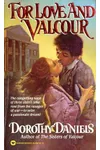
- For Love and Valcour (1983): The second installment, deepening the family saga and raising the stakes for the characters.
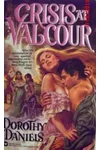
- Crisis at Valcour (1985): The dramatic conclusion to the trilogy and the final novel published under Dorothy Daniels's name.
Publication Order vs. Chronological Order
Because Daniels's books are almost entirely standalone mysteries, there is no master timeline or chronological continuity connecting them. A chronological reading order is only necessary within the Strange Paradise trilogy and the Valcour series.
However, reading her standalone novels in publication order offers a fascinating way to track her progression as an author. Her earliest works, such as The Dark Rider (1961, published under the pseudonym Geraldine Thayer) and nurse-themed romances like A Nurse for Doctor Keith (1962, as Suzanne Somers), show her finding her voice. By the late 1960s and early 1970s, she had fully mastered the gothic formula, producing her most popular works at a staggering pace. Reading chronologically by publication year highlights how she adapted her settings, themes, and tone to match the changing tastes of paperback readers over three decades.
A Selected Checklist of Standalone Gothic Romances
To help you navigate her vast collection of standalone novels, here is a curated list of her most popular gothic and suspense titles grouped by their era of publication:
The Mid-1960s Classic Gothics
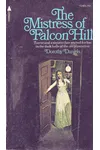
- The Mistress of Falcon Hill (1965)
- Dance in Darkness (1965)
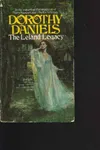
- The Leland Legacy (1965)
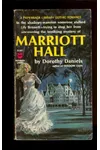
- Marriott Hall (1965)
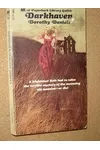
- Darkhaven (1965)
- Dark Villa (1966)
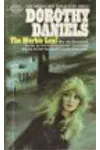
- The Marble Leaf (1966)
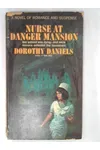
- Nurse At Danger Mansion (1966)
- The Tower Room (1966)
- This Ancient Evil (1966)
The Late 1960s and Early 1970s Bestsellers
- House of False Faces (1967)
- House of the Seven Courts (1967)
- Mansion of Lost Memories (1967)
- The Spanish Chapel (1969)
- The Carson Inheritance (1969)
- The Curse of Mallory Hall (1970)
- The Beaumont Tradition (1971)
- Diablo Manor (1971)
- Castle Morvant (1972)
- The Lanier Riddle (1972)
- Portrait of a Witch (1972)
- The Possession of Tracy Corbin (1973)
- The Prisoner of Malville Hall (1973)
- The Exorcism of Jenny Slade (1974)
The Late 1970s Gothic & Suspense Novels
- The Tide Mill (1975)
- Blackthorn (1975)
- Emerald Hill (1975)
- Dark Heritage (1976)
- Twilight at the Elms (1976)
- The Wines of Cyprien (1977)
- A Mirror of Shadows (1977)
- Yesterday's Evil (1979)
- The Cormac Legend (1979)
- Valley of Shadows (1980)