










Where to Start Reading Dorothy Gilman
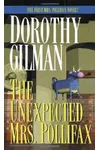
For most readers, the ultimate gateway to Dorothy Gilman's bibliography is the legendary Mrs. Pollifax series. Introducing a sixty-something widow who trades her garden club meetings for international CIA espionage, this series blends cozy mystery vibes with lighthearted adventure. You should absolutely start with the first book, The Unexpected Mrs. Pollifax (1966), to witness her recruitment and understand how Emily Pollifax establishes her unique footing in the espionage world.
If you prefer a supernatural touch, the Madame Karitska books offer a secondary entry point. Beginning with The Clairvoyant Countess (1975), this short duology is perfect if you enjoy intuitive mystery-solving with a warm, psychic lead.
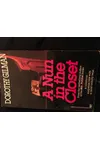
For those looking for a quick standalone check-in before committing to a series, A Nun in the Closet (1975) is widely considered Gilman’s best-loved standalone mystery, featuring two charmingly naive but highly observant nuns who stumble into a mafia dispute.
Dorothy Gilman Books in Publication Order
While character development in the Mrs. Pollifax series progresses chronologically, Gilman also wrote numerous standalones and children's books under her married name. Reading in publication order helps trace her growth from a young adult novelist into a master of cozy espionage.
The Mrs. Pollifax Series
This 14-book series is best read in publication order, as Emily's personal relationships, traveling companions, and reputation at the CIA develop incrementally from book to book.
- The Unexpected Mrs. Pollifax (1966)
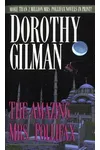
- The Amazing Mrs. Pollifax (1970)
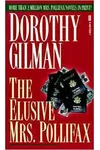
- The Elusive Mrs. Pollifax (1971)
- A Palm for Mrs. Pollifax (1973)
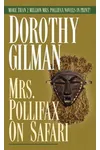
- Mrs. Pollifax on Safari (1976)
- Mrs. Pollifax on the China Station (1983)
- Mrs. Pollifax and the Hong Kong Buddha (1985)
- Mrs. Pollifax and the Golden Triangle (1988)
- Mrs. Pollifax and the Whirling Dervish (1990)
- Mrs. Pollifax and the Second Thief (1993)
- Mrs. Pollifax Pursued (1995)
- Mrs. Pollifax and the Lion Killer (1996)
- Mrs. Pollifax, Innocent Tourist (1997)
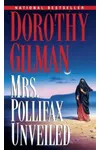
- Mrs. Pollifax Unveiled (2000)
The Madame Karitska Duology
This series centers around a psychic countess who aids the police in solving mysterious crimes. Reading them in order is recommended to follow the evolving partnership between Madame Karitska and Detective Lieutenant Pruden.
- The Clairvoyant Countess (1975)
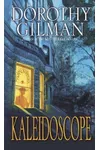
- Kaleidoscope (2002)
Standalone Novels
Gilman’s standalone works span several decades. Her earliest novels, published between 1949 and 1963, were released under her married name, Dorothy Gilman Butters, and targeted young adult or juvenile audiences. Her later standalones (1967 onward) are general fiction and mystery novels geared toward adults.
- Enchanted Caravan (1949)
- Carnival Gypsy (1950)
- Ragamuffin Alley (1951)
- The Calico Year (1953)
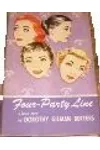
- Four-Party Line (1954)
- Papa Dolphin's Table (1955)
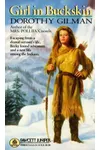
- Girl in Buckskin (1956)
- Witch's Silver (1959)
- Masquerade (1961)
- Ten Leagues to Boston Town (1962)
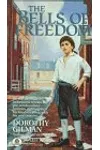
- Bells of Freedom (1963)
- Uncertain Voyage (1967)
- A Nun in the Closet (1975)
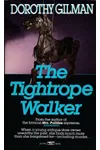
- The Tightrope Walker (1979)
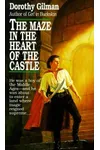
- The Maze in the Heart of the Castle (1983)
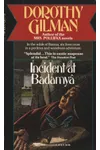
- Incident at Badamyâ (1989)
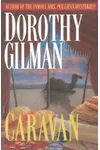
- Caravan (1992)
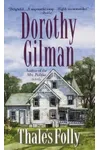
- Thale's Folly (1999)
Non-Fiction & Anthologies
Gilman published a memoir reflecting on her move to a Nova Scotia farm and her life as a writer, along with contributing to anthologies.
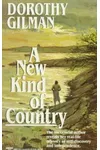
- A New Kind of Country (1978) — Non-fiction memoir.
- Alfred Hitchcock's Fatal Attractions (1983) — Anthology contribution.
What to Know Before You Start
Before diving into Dorothy Gilman's bibliography, here are a few key details to keep in mind:
- The Espionage Tone: Unlike modern, high-stakes political thrillers, the Mrs. Pollifax series leans heavily into the "cozy espionage" genre. The stories are character-driven, featuring quirky situations, global travel, and Mrs. Pollifax's endearing ability to disarm antagonists with her warmth and gardening knowledge.
- Name Evolution: If you are hunting down physical copies of her older books (like Enchanted Caravan or Girl in Buckskin), search for the name Dorothy Gilman Butters. She dropped the last name following her divorce in 1965.
- Screen Adaptations: Mrs. Pollifax's adventures have made their way to the screen twice. First in 1971 as a theatrical film titled Mrs. Pollifax—Spy starring Rosalind Russell, and later as a 1999 television film starring Angela Lansbury. Fans generally find Lansbury's portrayal closer to the spirit of the books, though reading the novels is widely considered the superior experience.
- Character Progression: While the mysteries in individual Mrs. Pollifax books are self-contained, Emily's personal life undergoes major shifts. She gains recurring allies (like Farrell) and goes through family changes that will be spoiled if you read the series out of order.