
Where to Start with Douglas Stuart
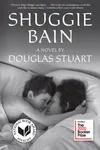
Douglas Stuart’s bibliography consists of deeply moving, critically acclaimed standalone novels. Because his stories do not share characters or direct plot continuities, you can read them in any order you choose. However, for the most rewarding experience, we recommend starting with his debut masterpiece, Shuggie Bain. This novel established his signature style—blending raw, unflinching depictions of working-class struggles with a tender, poetic lens—and won the 2020 Booker Prize.
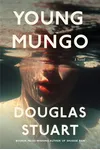
If you prefer a story centered around a forbidden, high-stakes romance, you might choose to begin with his second novel, Young Mungo. For readers interested in a shift from the urban landscapes of Glasgow to the remote, religiously austere environment of Scotland's Outer Hebrides, his third novel, John of John, offers a compelling alternative entry point.
Douglas Stuart Books in Publication Order
If you want to experience Douglas Stuart's growth as a writer, reading his novels in the order they were published is the best approach. Each book builds on his thematic interest in identity, family dynamics, and Scottish culture while expanding his geographic and narrative scope.
1. Shuggie Bain (2020)
Set in 1980s Glasgow against the backdrop of post-industrial decline and Thatcher-era economic devastation, this semi-autobiographical debut follows young Hugh "Shuggie" Bain. As a queer boy who doesn't fit in with the hyper-masculine culture of the housing estates, Shuggie spends his childhood caring for his glamorous but deeply troubled mother, Agnes, who is spiraling through severe alcoholism. It is a heartbreaking yet remarkably tender exploration of maternal love, addiction, and survival.
2. Young Mungo (2022)
Stuart’s second novel is a gripping, suspenseful story of first love set in the violent housing estates of 1990s Glasgow. The plot centers on Mungo, a Protestant, and James, a Catholic. In a community deeply divided by sectarianism and toxic masculinity, the two teenage boys form a close friendship that blossoms into a hidden romance. When Mungo's mother sends him on a fishing trip with two strange men to "make a man out of him," the novel shifts into a tense, survivalist drama as Mungo fights to get back to the boy he loves.
3. John of John (2026)
Stuart’s third novel moves away from Glasgow to the wind-swept Isle of Harris in Scotland’s Outer Hebrides during the late 1990s. The story follows twenty-two-year-old John-Calum "Cal" MacLeod, an art school graduate who returns to his family's croft under the pretense that his maternal grandmother is gravely ill. Cal is forced to confront his father, John—a sheep farmer, weaver, and strict deacon in the local Free Presbyterian church. The novel explores the heavy weight of religious tradition, repressed sexuality, and the complex, unspoken generational tensions between father and son.
Chronological Settings and Reading Caveats
While the novels are separate stories, they do trace a loose chronological progression through late 20th-century Scotland:
- The 1980s: Shuggie Bain captures the bleak economic reality of Glasgow's post-industrial housing estates, where mines have closed and families struggle to get by.
- The 1990s: Young Mungo shifts the focus to the sectarian tensions and gang turf wars that defined teenage life in Glasgow during the next decade.
- The Late 1990s: John of John explores the isolation and strict Calvinist religious traditions of the Outer Hebrides at the turn of the millennium.
There are no continuity errors or spoilers to worry about if you mix up this order. However, reading them chronologically by setting provides a fascinating cultural history of working-class Scotland over two decades.
Key Themes: What to Know Before You Start
Before diving into Douglas Stuart's work, it helps to understand the recurring themes and stylistic choices that define his novels:
- Autobiographical Roots: Stuart grew up in poverty in Sighthill, Glasgow, raised by a single mother who battled alcoholism. His novels, particularly Shuggie Bain, draw heavily from his personal experiences with loss, poverty, and homophobia.
- Queer Identity and Masculinity: Each of his novels features a young, queer protagonist navigating environments that demand conformity to rigid, aggressive standards of masculinity.
- Authentic Dialogue: Stuart writes dialogue using authentic Scottish dialects, including Glaswegian patter and Hebridean speech patterns. While this may take a few pages to get used to, it adds incredible depth, humor, and realism to the characters.
- Emotional Intensity: These books deal with heavy subjects, including abuse, addiction, poverty, and religious trauma. However, they are balanced by a deep sense of empathy, resilience, and the beauty found in human connection.
Adaptations and Short Fiction
Beyond his novels, Douglas Stuart has expanded his storytelling into screenwriting and short fiction:
The Shuggie Bain BBC Adaptation
A television series adaptation of Shuggie Bain was developed for the BBC. Stuart took on the role of writing the screenplay himself, ensuring that the vivid characters and the specific atmosphere of 1980s Glasgow remain faithful to the original novel.
Short Stories and Essays
If you want a quicker taste of Stuart’s writing style, he has published several shorter pieces in prestigious literary outlets. Notable works include "Found Wanting" (2020) and "The Englishman" (2021), both published in The New Yorker. These stories explore similar themes of youth, family relationships, and personal discovery.