
Where to Start: The Reading Level Roadmap
Dr. Seuss books do not follow a single, continuous narrative arc. Instead, the best way to navigate his bibliography is by matching the book to the reader's current learning stage. The publisher's official categories and reading levels provide the ideal sequence for growing minds:
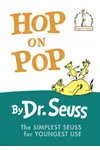
- Bright and Early Books: Designed for toddlers and code-breakers who are just starting to associate sounds with letters. Start with Hop on Pop (1963), The Foot Book (1968), and Mr. Brown Can Moo! Can You? (1970).
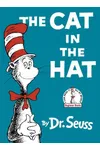
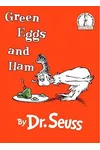
- Beginner Books: Perfect for early readers building confidence. These books feature slightly longer stories but use a strictly controlled vocabulary. The absolute starting points here are The Cat in the Hat (1957) and Green Eggs and Ham (1960).
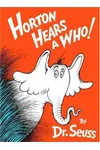
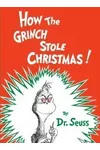
- Classic Storybooks: Longer, richly illustrated narratives with deeper themes suited for read-aloud sessions or older children. Key landmarks include Horton Hears a Who! (1954), How the Grinch Stole Christmas! (1957), and The Lorax (1971).
The Core Character Series
While the vast majority of Dr. Seuss's works are standalones, he did create several recurring characters and settings that are best enjoyed in order.
The Bartholomew Cubbins / Kingdom of Didd Series
Set in the whimsical feudal realm of Didd, these two stories feature the young hero Bartholomew Cubbins and the stubborn King Derwin. They should be read in publication order:
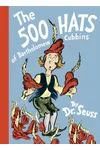
- The 500 Hats of Bartholomew Cubbins (1938) – A prose tale where Bartholomew repeatedly removes his hat for the King, only for another to magically appear on his head.
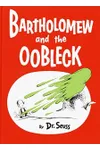
- Bartholomew and the Oobleck (1949) – King Derwin, bored of rain and snow, orders his royal magicians to make something new fall from the sky, resulting in a sticky green disaster.
The Horton the Elephant Duology
Horton is Seuss's most gentle and loyal character. His two books teach unforgettable lessons about responsibility and empathy:
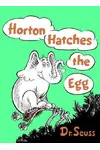
- Horton Hatches the Egg (1940) – Horton is tricked by Mayzie the bird into sitting on her egg, demonstrating that "an elephant's faithful one hundred percent."
- Horton Hears a Who! (1954) – Horton protects a tiny speck of dust containing the microscopic community of Whoville, proving that "a person's a person, no matter how small."
The Cat in the Hat and Companions
The iconic Cat in the Hat appears across several publications. While some are educational quizzes, the first two tell a cohesive, sequential story:
- The Cat in the Hat (1957) – The mischievous cat arrives on a rainy day to entertain Sally and her brother.
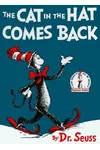
- The Cat in the Hat Comes Back (1958) – The Cat returns, this time bringing Little Cats A through Z to help clean up a pink bathtub ring.
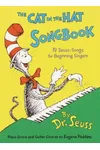
- The Cat in the Hat Songbook (1967) – A collection of musical scores and lyrics.
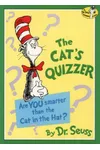
- The Cat's Quizzer (1976) – An interactive puzzle book designed to challenge young minds.
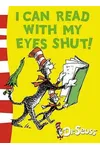
- I Can Read With My Eyes Shut! (1978) – The Cat acts as a guide to show young readers the wonders of literacy.
The Jay and Kay Stories
Though they were unnamed in their first appearance, the young brother and sister from One Fish, Two Fish, Red Fish, Blue Fish (1960) were later revealed in a posthumous manuscript to be named Jay and Kay. Read them in this sequence:
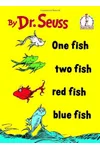
- One Fish, Two Fish, Red Fish, Blue Fish (1960) – A freewheeling, rhythmic exploration of silly creatures and daily routines.
- What Pet Should I Get? (2015) – Discovered as an unfinished manuscript in 2013 and published posthumously, this book captures Jay and Kay visiting a pet store and struggling to make a choice.
Pen Names: Theo. LeSieg and Rosetta Stone
Theodor Seuss Geisel used different pen names when he wrote stories but did not draw the illustrations, ensuring the "Dr. Seuss" name remained reserved for his fully self-created books:
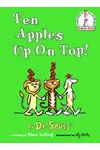
- Theo. LeSieg: Geisel's real last name spelled backward. Under this name, he wrote early reading classics illustrated by other artists, such as Ten Apples Up on Top! (1961), I Wish That I Had Duck Feet (1965), and Wacky Wednesday (1974).
- Rosetta Stone: Used exactly once for Because a Little Bug Went Ka-CHOO! (1975), which was co-written with editor Michael Frith and illustrated by Roy McKie.
Posthumous Releases and Collaborative Books
Even after his death in 1991, new Seuss books continued to find their way to readers. These include works finished by other authors and newly discovered manuscripts:
- Daisy-Head Mayzie (1994) – Written by Seuss but published posthumously, telling the story of a girl who suddenly grows a daisy from her head.
- Hooray for Diffendoofer Day! (1998) – Completed by Jack Prelutsky and Lane Smith, based on Seuss's sketches and verses about an unconventional school.
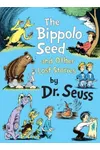
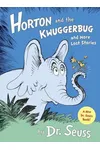
- Lost Stories Collections: Books like The Bippolo Seed and Other Lost Stories (2011) and Horton and the Kwuggerbug and more Lost Stories (2014) gather rare stories that Geisel originally published in magazines during the 1940s and 1950s.
Complete Chronological Order of Key Books
If you wish to follow the evolution of Geisel's writing style and the historical development of children's literacy, read his major picture books and stories chronologically:
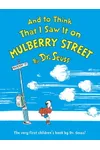
- And to Think That I Saw It on Mulberry Street (1937)
- The 500 Hats of Bartholomew Cubbins (1938)
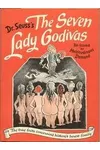
- The Seven Lady Godivas (1939)
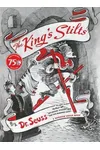
- The King's Stilts (1939)
- Horton Hatches the Egg (1940)
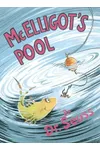
- McElligot's Pool (1947)
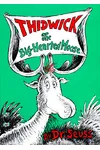
- Thidwick the Big-Hearted Moose (1948)
- Bartholomew and the Oobleck (1949)
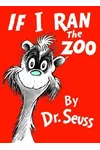
- If I Ran the Zoo (1950)
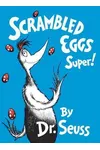
- Scrambled Eggs Super! (1953)
- Horton Hears a Who! (1954)
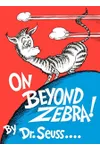
- On Beyond Zebra! (1955)
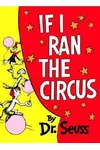
- If I Ran the Circus (1956)
- The Cat in the Hat (1957)
- How the Grinch Stole Christmas! (1957)
- The Cat in the Hat Comes Back (1958)
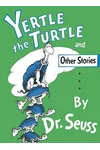
- Yertle the Turtle and Other Stories (1958)
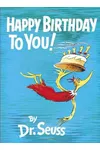
- Happy Birthday to You! (1959)
- Green Eggs and Ham (1960)
- One Fish, Two Fish, Red Fish, Blue Fish (1960)
- Ten Apples Up on Top! (1961)
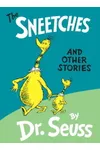
- The Sneetches and Other Stories (1961)
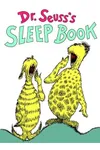
- Dr. Seuss's Sleep Book (1962)
- Hop on Pop (1963)
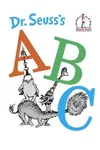
- Dr. Seuss's ABC (1963)
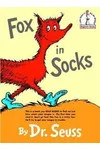
- Fox in Socks (1965)
- I Had Trouble in Getting to Solla Sollew (1965)
- I Wish That I Had Duck Feet (1965)
- Come over to My House (1966)
- The Foot Book (1968)
- The Eye Book (1968)
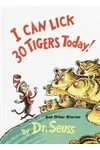
- I Can Lick 30 Tigers Today! and Other Stories (1969)
- Mr. Brown Can Moo! Can You? (1970)
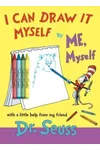
- I Can Draw It Myself, By Me, Myself (1970)
- The Lorax (1971)
- I Can Write! (1971)
- In a People House (1972)
- Marvin K. Mooney Will You Please Go Now! (1972)
- The Shape of Me and Other Stuff (1973)
- Did I Ever Tell You How Lucky You Are? (1973)
- There's a Wocket in my Pocket! (1974)
- Wacky Wednesday (1974)
- Would You Rather Be a Bullfrog? (1975)
- Because a Little Bug Went Ka-CHOO! (1975)
- Oh, the Thinks You Can Think! (1975)
- The Cat's Quizzer (1976)
- I Can Read With My Eyes Shut! (1978)
- Oh Say Can You Say? (1979)
- Hunches in Bunches (1982)
- The Butter Battle Book (1984)
- You're Only Old Once! (1986)
- I Am Not Going to Get up Today! (1987)
- Oh, the Places You'll Go! (1990)
- What Pet Should I Get? (2015)