





Where to Start with Duncan Falconer
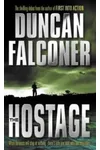
For readers looking to dive into the pulse-pounding world of Duncan Falconer, the absolute best starting point is his debut novel, The Hostage (2003). As the first entry in the John Stratton series, this book introduces Falconer's signature protagonist and establishes the grit, tension, and specialized tradecraft that define the entire franchise. Reading the series in publication order is highly recommended, as it allows you to witness Stratton’s evolution as both an operative and a man.
However, if you want to understand the real-life foundation behind these fiction thrillers, you should actually start with Falconer’s 1998 memoir, First Into Action. This autobiography outlines his journey from a North London orphanage to the elite ranks of the British Special Boat Service (SBS). Having this background enhances the reading experience of the John Stratton novels, showing you exactly where the author's deep military expertise and black humor originate.
The John Stratton Series in Publication Order
The John Stratton novels form the backbone of Duncan Falconer’s literary career. Because the narrative carries a subtle continuity regarding Stratton's career progression, relationships, and psychological scars, the books should be read in their original release order:
- The Hostage / Stratton (2003): Introduces John Stratton, an elite SBS operative tasked with rescuing a kidnapped agent amidst a volatile Real IRA plot. It features intense tactical details and raw action. (Note: This book was also republished under the title Stratton to tie in with the 2017 feature film).
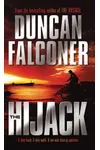
- The Hijack (2004): Stratton returns to thwart a highly coordinated Palestinian plot to seize a massive supertanker, taking readers on a fast-paced journey from the streets of London to the Gaza Strip.
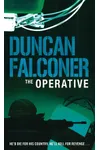
- The Bomb Surgeon / The Operative (2006): This third installment sees Stratton hunting a rogue explosive expert. It was originally published as The Bomb Surgeon but has been re-released in many markets under the title The Operative.
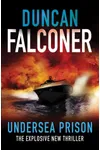
- Undersea Prison (2008): A claustrophobic and highly creative entry where Stratton is tasked with infiltrating a highly secure, secret underwater prison facility to retrieve a high-value asset.
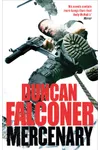
- Mercenary (2009): Plunges Stratton into the morally gray world of private military contractors, where corporate greed, personal loyalties, and global security collide.
- Traitor (2010): A tense espionage-heavy thriller where Stratton must root out a high-level mole leaking critical intelligence to foreign adversaries.
- Pirate (2011): Sending Stratton into the horn of Africa, this novel deals with modern maritime piracy, hijacking, and deep-state corporate conspiracies.
- Assassin (2012): The eighth novel takes Stratton on a global chase from the war-torn territories of Afghanistan to the crowded streets of Manhattan to recover a stolen nuclear warhead.
Duncan Falconer’s Standalone Novels
Outside of his famous SBS operative, Falconer has penned two standalone thrillers that showcase his versatility in writing different types of protagonists and operational environments:
The Protector (2007)
Set against the backdrop of the Iraq War, this book introduces Bernie Mallory, a former Royal Marine turned private security contractor. The plot follows three men—an Iraqi, a former coalition soldier, and a journalist—traveling from Baghdad toward Fallujah. Each character harbors a distinct, hidden agenda under the cover of their rescue mission, building a high-tension psychological puzzle wrapped in a war zone.
The Becket Approval (2019)
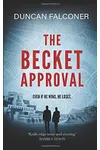
This spy thriller shifts the spotlight to MI6 field operator Devon Gunnymede. Temporarily released from prison to act as bait in a complex Russian drug trafficking plot, Gunnymede soon uncovers a far more sinister conspiracy involving an imminent, catastrophic threat to London. It is a faster, more modern spy tale filled with deception and tactical moves.
Autobiographical Memoirs: The Real-Life SBS Experience
Falconer’s fiction is heavily grounded in his personal history. His non-fiction memoirs are essential reads for anyone who appreciates military history and real-world tactical operations:
- First Into Action (1998): Falconer's debut publication. It is a candid and frequently humorous memoir detailing his military career, including the grueling selection process where he became one of the youngest recruits ever to join the SBS. It covers his operations in Northern Ireland, his training, and the friendly but fierce rivalry between the SBS and the SAS.
- First Into Action Again: A Dramatic Personal Account of Life After the SBS (2024): This direct follow-up memoir picks up right where the first book left off. It documents Falconer’s post-military career working as a crisis responder and private security advisor in dangerous conflict zones like Palestine, Afghanistan, and Iraq. It also features fascinating stories of his time protecting and working alongside prominent figures such as Kofi Annan, Ted Turner, Anderson Cooper, and Anthony Bourdain.
What to Know Before You Start
Duncan Falconer belongs to the elite class of "military men turned authors" alongside Andy McNab and Chris Ryan, but his books have a distinct flavor. Because Falconer served in the Special Boat Service (the maritime equivalent of the SAS), his stories place a heavy emphasis on amphibious operations, diving, and naval insertion techniques.
Furthermore, Falconer’s writing stands out for its realistic characterizations. His villains are rarely cartoonish caricatures; they are written with clear, logical human motivations. The banter and camaraderie among his military characters carry the genuine, dry, and often dark humor of real active-duty service members. You don't need a military glossary to enjoy these books, but the authentic jargon and tradecraft add a layer of realism that fictional research alone cannot replicate.