
Where to Start Reading Dwyer Murphy
Dwyer Murphy’s novels are not connected by shared characters or recurring detectives. Instead, they are standalones linked by their atmospheric prose, moral ambiguity, and characters who operate on the fringes of the law. Because of this, you can read his books in any order you choose. However, there are two distinct entry points depending on your narrative preferences:
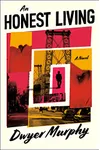
- For fans of classic, urban detective stories: Start with An Honest Living (2022). It is a slow-burn, literary mystery set in Brooklyn that pays homage to traditional neo-noir films like Chinatown.
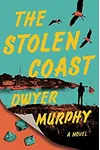
- For fans of high-stakes heist thrillers: Start with The Stolen Coast (2023). Set in a sleepy Massachusetts beach town, it features a more active plot involving diamond smuggling and fugitives on the run.
Dwyer Murphy Books in Publication Order
Since his novels are standalones, reading them in publication order is the most straightforward approach. It allows you to watch Murphy shift his focus from the dense cityscapes of Brooklyn to the foggy coastal towns of New England.
1. An Honest Living (2022)
Murphy’s debut novel is a love letter to mid-2000s New York City at the tail end of the analog era. The story is narrated by an unnamed, disillusioned former corporate attorney who has opened a struggling solo practice in Brooklyn. His quiet routine is shattered when a woman claiming to be Anna Reddick, a famous literary prodigy, pays him a large cash retainer to track down her antiquarian bookseller husband, Newton. The lawyer soon discovers that the woman who hired him was an impostor, and when the real Anna Reddick appears, he is pulled into a dangerous web of rare book fraud, real estate schemes, and murder. With references to literary figures and a gritty, atmospheric backdrop of dive bars and rainy streets, this book established Murphy's reputation for smart, literary noir.
2. The Stolen Coast (2023)
With his second novel, Murphy moves the action to Onset, Massachusetts, a quiet coastal town on Cape Cod. The protagonist, Jack Betancourt, is a Harvard-educated lawyer who runs an unusual family business alongside his retired-spy father: helping high-profile fugitives disappear. Jack hides his clients in shuttered summer cottages during the off-season. His structured, quiet life is disrupted when Elena, his former lover with a crooked past, returns to town. She recruits Jack into a high-stakes diamond heist that quickly spirals into double-crosses and danger. The Stolen Coast combines the slow pace of a coastal town with the tension of a classic heist novel.
3. The House on Buzzards Bay (2025)
Murphy's third novel continues his exploration of coastal noir, blending it with elements of a gothic reunion mystery. The protagonist, Jim, is a disillusioned lawyer who invites his college friends to spend a summer at his family's old vacation house in Buzzards Bay, Massachusetts. The group has grown apart over the years, and Jim hopes the retreat will restore their old bond. However, the atmosphere turns unsettling when one of the friends—an aloof but successful writer named Bruce—disappears without a trace. Amid mysterious break-ins in the local fishing village and strange occurrences around the house, the remaining friends begin to turn on one another, wondering who is watching them from the marsh.
Thematic Guide: Urban vs. Coastal Noir
When choosing which Dwyer Murphy book to read next, it helps to understand the shift in settings and tones across his bibliography:
- The Urban Noir: An Honest Living is deeply rooted in the pavement of Brooklyn and Manhattan. It relies on the textures of used bookstores, late-night diners, and the loneliness of the city. It is perfect for readers who like moody, character-driven mysteries.
- The Coastal Noir: Both The Stolen Coast and The House on Buzzards Bay trade the city streets for the foggy shores of Massachusetts. Murphy uses the isolation of New England beach towns in the off-season to build tension, exploring themes of fading youth, long-kept secrets, and local lore.
Introductions and Other Writing
In addition to his own novels, Dwyer Murphy’s deep knowledge of the mystery genre is reflected in his work for other publications. Notably, he wrote the introduction for the American Mystery Classics reissue of Sandbar Sinister, a classic 1934 Cape Cod mystery by Phoebe Atwood Taylor. In the introduction, Murphy highlights Taylor’s legacy as a pioneer of regional New England mysteries and contextualizes her work for modern readers.