




Where to Start: The Spencer Family Duology
If you are looking to dive into the warm, nostalgic world that inspired The Waltons, your absolute best starting point is the Spencer Family Duology. These two novels represent Earl Hamner Jr.'s most famous, semi-autobiographical contributions to American literature, drawing directly from his own childhood growing up in Schuyler, Virginia, during the Great Depression.
1. Spencer's Mountain (1961)
This is the essential starting point for any reader. Set in Virginia’s Blue Ridge Mountains, it tells the story of the Spencer family and their eldest son, Clay-Boy, who dreams of escaping rural poverty to attend college. The novel introduces the core values of family solidarity, hard work, and mountain grit that later defined his television series. Reading this first provides the complete foundation of the characters, setting, and themes.
2. The Homecoming (1970)
Published nearly a decade later, this novel is a more focused, episodic slice of life set on a snowy Christmas Eve in 1933. The narrative centers on Olivia Spencer and her children waiting anxiously for the family patriarch, Clay, to return home from his far-off job. While it was written and published after Spencer's Mountain, it serves as a wonderful companion piece. Some readers treat it as a thematic prequel or holiday interlude, but it is best enjoyed after establishing a connection with the characters in the first book.
From Page to Screen: Spencer vs. Walton
Many readers pick up Hamner’s novels looking for the exact characters they watched on television. It is important to know that while the stories are nearly identical in spirit, the names are different due to Hollywood rights. Warner Bros. purchased the rights to the name "Spencer" for the 1963 film adaptation of Spencer’s Mountain (starring Henry Fonda). Consequently, when Hamner adapted his work into the 1971 television movie The Homecoming: A Christmas Story and the subsequent TV series, he had to change the family name to "Walton."
To help you navigate between the books and the screen, here is how the primary characters align:
- Clay-Boy Spencer becomes John-Boy Walton: The aspiring writer and stand-in for Earl Hamner Jr. himself.
- Clay Spencer becomes John Walton Sr.: The loving but fiercely independent father who works hard to support his family.
- Olivia Spencer remains Olivia Walton: The steadfast, religious, and caring mother of the clan.
- Grandpa and Grandma Spencer become Zebulon (Zeb) and Esther Walton: The wise grandparents who live on the family property.
- Becky Spencer becomes Mary Ellen Walton: The eldest daughter with a fiery spirit.
- Luke Spencer becomes Jason Walton: Luke’s musical talents in the novel were transferred to Jason's character in the television adaptation.
- Shirley Spencer becomes Erin Walton: The sweet, quiet middle daughter.
- Matt and Mark Spencer are consolidated into Ben Walton: The enterprising younger brother.
- John Spencer becomes Jim-Bob Walton: The youngest boy who has a passion for flight and mechanics.
- Pattie-Cake Spencer becomes Elizabeth Walton: The sensitive, youngest child of the family.
Publication Order of Standalone Novels
Beyond the Spencer family stories, Hamner wrote several other novels that explore different themes, from dark Southern gothic struggles to Hollywood mystery. Here is the chronological publication order of his fictional works:
- Fifty Roads to Town (1953): Hamner's debut novel. Readers expecting the cozy warmth of The Waltons will be surprised by this darker, brooding Southern gothic story. Set in the Virginia mountains, it deals with a fanatical religious sect and a young woman hoping to find salvation and speak in tongues. It is a fascinating look at the more complex, troubled aspects of rural Appalachian life.
- Spencer's Mountain (1961): The heartwarming classic that established Hamner’s signature semi-autobiographical voice.
- You Can't Get There from Here (1965): This charming and slightly whimsical novel centers on a teenage boy from Schuyler, Virginia, who travels to New York City for a single, frantic day to search for his missing father. It serves as a beautiful tribute to the safety and community of the boy's hometown, which is contrasted with the overwhelming landscape of New York.
- The Homecoming (1970): The beloved Christmas novella that directly sparked the TV series.
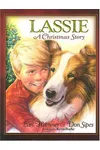
- Lassie: A Christmas Story (1998): A heartwarming children's holiday book co-authored with Don Sipes. It follows Timmy and Lassie on a heroic search and rescue mission in the snow, combined with a gentle retelling of the Nativity story.
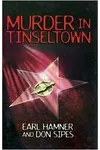
- Murder in Tinseltown (2000): Another collaboration with Don Sipes, this novel represents a massive departure for Hamner. It is a fast-paced Hollywood mystery following television producer Emory Goode as he tries to solve the murder of a leading actress before his new pilot is ruined.
Chronological Publication of Non-Fiction & Memorabilia
If you want to understand the man behind the stories, Hamner’s non-fiction works and collected scripts are essential reading. They offer a peek behind the curtain of television history and his childhood in Virginia:
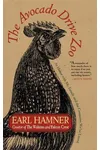
- Avocado Drive Zoo (1999): A humorous and warm memoir detailing Hamner's life in California with his family and the colorful assortment of pets and wild animals that visited their home on Avocado Drive.
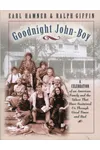
- Goodnight, John-Boy (2002): Co-authored with Ralph Giffin, this is the ultimate companion piece for fans of The Waltons. It features an episode-by-episode guide, behind-the-scenes production anecdotes, and personal essays from Hamner about how his real family in Schuyler inspired specific television moments.
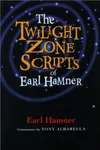
- The Twilight Zone Scripts of Earl Hamner (2003): Before he created family dramas, Hamner was a highly respected writer for Rod Serling's legendary anthology series. This book compiles his original scripts—including classic episodes like "The Bewitchin' Pool" and "Ring-a-Ding Girl"—along with his own commentary on writing for the show.
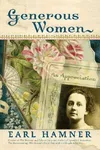
- Generous Women: An Appreciation (2006): A collection of warm, personal tribute essays dedicated to the women who shaped, supported, and inspired Hamner throughout his life and career, including his mother, sisters, colleagues, and friends.
What to Know Before You Start Reading
Before diving into Earl Hamner Jr.’s bibliography, keep these practical reading tips in mind:
First, be prepared for a shift in tone between his earliest work and his later classics. Fifty Roads to Town is much darker and deals with intense religious fanaticism, whereas Spencer's Mountain and The Homecoming present the comforting, community-driven world readers associate with his name. If you want the classic "Waltons" vibe, skip the 1953 debut and start directly with the 1961 Spencer novel.
Second, don't worry about strict chronological timelines. Because his fiction is episodic and semi-autobiographical, each book works perfectly well as a standalone. You do not need to read Spencer's Mountain to understand You Can't Get There from Here or The Homecoming. However, reading them in publication order allows you to see how Hamner refined his memories of Schuyler, Virginia, into the legendary, idealized mountain community that captured the heart of a nation.
Third, his collaborations with Don Sipes in the late 1990s and early 2000s are very different from his solo literature. Lassie: A Christmas Story is aimed at younger readers, while Murder in Tinseltown is a standard Hollywood thriller. They are fun additions for completists but not representative of his core Americana style.