











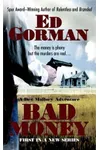




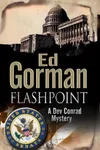

How to Approach Ed Gorman’s Books
Ed Gorman was a remarkably versatile writer whose career spanned crime fiction, historical mysteries, psychological suspense, classic westerns, and even horror. Because he wrote under multiple names and across many distinct subgenres, diving into his catalog can feel overwhelming. However, his work is highly organized by series, making it easy to navigate once you know where to start.
For most readers, the best path is to start with his acclaimed Sam McCain historical mystery series, which blends 1950s and 60s nostalgia with sharp social commentary. If you prefer contemporary, hard-boiled private investigator stories, the Jack Dwyer series is the ideal entry point. Fans of political intrigue should head straight for the Dev Conrad series, while readers of classic frontier fiction will find his Leo Guild westerns incredibly rewarding.
What to Know Before You Start
Gorman’s writing is defined by its lean, character-driven style and emotional depth. He frequently set his stories in small-town Iowa and the broader Midwest, drawing from his own upbringing in Cedar Rapids. His settings, like the fictional Black River Falls, are not just backdrops but active characters that reflect the quiet desperation and hidden tensions of everyday life.
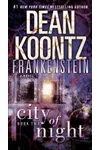
Additionally, keep in mind that Gorman published several novels under the pseudonym Daniel Ransom. These books lean much more heavily into thriller and horror elements compared to the grounded realism of his mystery series. He also engaged in high-profile collaborations, including co-authoring the second book in the popular Dean Koontz's Frankenstein series.
The Sam McCain Series
Set in the fictional town of Black River Falls, Iowa, during the late 1950s and early 1960s, the Sam McCain series is Gorman's signature work. McCain is a young, struggling attorney who moonlights as a private investigator for the town’s wealthiest, most eccentric citizen. The series brilliantly captures the cultural shifts of the era—from the rise of rock 'n' roll to the paranoia of the Cold War—while delivering tight whodunits.
This series should be read in publication order, as the historical timeline and Sam's personal life progress chronologically from book to book:
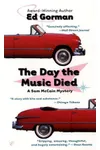
- The Day The Music Died (1998)
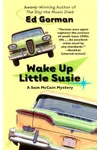
- Wake Up Little Susie (1999)
- Will You Still Love Me Tomorrow? (2000)
- Save the Last Dance for Me (2002)
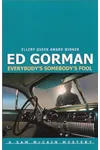
- Everybody's Somebody's Fool (2003)
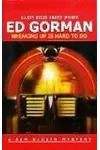
- Breaking Up Is Hard to Do (2004)
- Fools Rush In (2007)
- Ticket to Ride (2009)
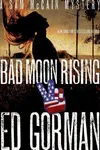
- Bad Moon Rising (2011)
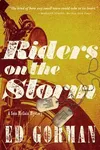
- Riders on the Storm (2014)
The Jack Dwyer Series
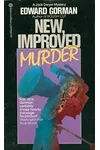
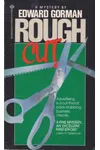
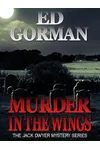
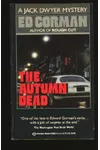
Gorman's first major private eye series features Jack Dwyer, a former police officer who quits the force to work as a security guard and private investigator in Cedar Rapids, Iowa. What sets Dwyer apart from typical hard-boiled detectives is his side passion: he is an aspiring actor who frequently audits and performs in local theater productions, balancing stakeouts with learning lines.
While the internal chronology matches the publication order, readers should note that the early books were released in quick succession in the mid-1980s, and the final entry, The Reason Why, is often discussed as both a novel and a key short story in Dwyer's timeline. The recommended reading order is:
- Rough Cut (1986)
- New, Improved Murder (1985)
- Murder Straight Up (1986)
- Murder in the Wings (1986)
- The Autumn Dead (1987)
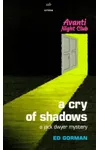
- A Cry of Shadows (1990)
- The Reason Why (1992)
The Dev Conrad Series
Drawing on Gorman’s real-life experience working in political public relations and speechwriting, the Dev Conrad series offers a cynical, behind-the-scenes look at modern American campaigning. Dev Conrad is a highly pragmatic political consultant who is hired to manage crises, spin scandals, and occasionally solve murders when candidates find themselves in deep trouble.
The series is fast-paced and provides a fascinating look at the intersection of media manipulation and criminal investigation. Read them in order of release:
- Sleeping Dogs (2008)
- Stranglehold (2010)
- Blindside (2011)
- Flashpoint (2013)
- Elimination (2015)
The Robert Payne Series
Robert Payne is a former FBI forensic psychologist and profiler who leaves the bureau to work as a private investigator. The novels, often referred to as the 'Moon' series due to their titles, showcase Gorman's talent for psychological suspense and the dark corners of the human mind. The reading order is:
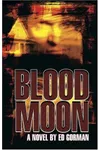
- Blood Moon / Dead Cold (1991)
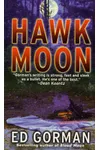
- Hawk Moon (1995)
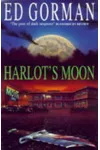
- Harlot's Moon (1997)
- Voodoo Moon (2000)
The Leo Guild and Cavalry Man Westerns
Gorman was highly respected in the western genre, winning the Spur Award for his frontier fiction. His primary western series follows Leo Guild, a tough, pragmatic bounty hunter operating in the late 19th-century American West. Guild is a classic hard-boiled detective archetype transplanted into the frontier. The reading order is:
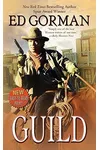
- Guild (1987)
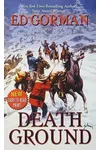
- Death Ground (1988)
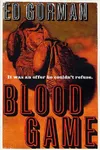
- Blood Game (1989)
- Dark Trail (1991)
Gorman also wrote the Cavalry Man series, which takes place in the post-Civil War West and follows military-themed conflicts and survival on the rugged frontier:
- The Killing Machine (2005)
- Powder Keg (2006)
- Doom Weapon (2007)
Collaborations and Daniel Ransom Pseudonym
In addition to his solo work, Gorman co-authored the second book in the Dean Koontz's Frankenstein series, titled City of Night (2005). Although later editions of the series removed his and Kevin J. Anderson's names to market the series solely under Dean Koontz's name, Gorman's contribution to shaping the modern-day New Orleans setting of the series remains a notable part of his legacy.
For readers looking for more horror, supernatural, and high-tension thriller stories, Gorman’s books written under the name Daniel Ransom are excellent companion reads. Notable standalones under this pen name include Daddy's Little Girl (1985), Toys in the Attic (1986), and Night Screams (1996).