















Where to Start with Edward T. Welch
Edward T. Welch is a licensed psychologist, a faculty member at the Christian Counseling & Educational Foundation (CCEF), and a prominent voice in the biblical counseling movement. Because his books are topical and counseling-oriented, there is no chronological narrative to follow. Instead, the best entry point depends entirely on what you want to address. However, for a general reader, there is a clear foundational path.
The Foundational Starting Path
If you are new to Welch's writing, we recommend starting with these three books in order. They build a solid framework for how to relate to God, yourself, and others:
- When People Are Big and God Is Small: Overcoming Peer Pressure, Codependency, and the Fear of Man (1997): Widely considered Welch's seminal work, this book tackles our tendency to value human approval over God's glory. It is the perfect introduction to his theological and practical framework.
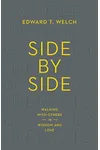
- Side by Side: Walking with Others in Wisdom and Love (2015): Once you understand how to orient yourself toward God, this practical guide helps you walk alongside struggling friends, emphasizing that everyday believers—not just professional counselors—are equipped to help one another.
- Caring for One Another: 8 Ways to Cultivate Meaningful Relationships (2018): A natural follow-up to Side by Side, this book provides actionable steps for building deep, gospel-centered community relationships.
Categorized Reading Guide by Topic
For readers seeking guidance on specific personal struggles, Welch's bibliography can be grouped into several key thematic categories. You can read these books in any order depending on your current needs.
Anxiety, Fear, and Trust
- Running Scared: Fear, Worry, and the God of Rest (2007): A comprehensive exploration of the roots of anxiety, offering biblical alternatives to worry and highlighting God's promises of rest.
- When I Am Afraid: A Step-By-Step Guide Away from Fear and Anxiety (2008): A highly practical, interactive guide designed for step-by-step personal reflection.
- Track: Anxiety: A Student's Guide to Anxiety (2020): A condensed, accessible version of his anxiety teachings tailored specifically for teenagers and college students.
Depression, Sadness, and Suffering
- Depression: A Stubborn Darkness–Light for the Path (2000): A compassionate, realistic look at clinical and situational depression, avoiding simple cliches and offering patient, biblical hope.
- Hope for the Depressed: Beyond a "Cheer-Up" Theology (2008): A shorter booklet focusing on practical steps for those who find reading long volumes difficult during periods of heavy depression.
- Suffering: Eternity Makes a Difference (2001): Part of the Resources for Changing Lives series, this work reorients the reader's perspective on pain by looking through the lens of eternity.
Addictions and Habits
- Addictive Behavior (1995): An early introductory outline of Welch's approach to substance abuse and compulsive habits.
- Addictions: A Banquet in the Grave (2001): A deep theological look at addiction, describing it as a worship disorder where desires have gone astray, and providing gospel-centered steps for recovery.
- Running in Circles (2015): A practical look at repetitive, destructive habits and how to break the cycle.
Shame and Identity
- What Do You Think of Me? Why Do I Care? (2012): A youth-focused look at identity, peer pressure, and self-worth.
- Shame Interrupted: How God Lifts the Pain of Worthlessness and Rejection (2012): A major work that explores the distinct pain of shame (feeling dirty or rejected) compared to guilt (feeling legally wrong), showing how Christ addresses both.
- A Small Book About Why We Hide (2021): A devotional focusing on the universal urge to withdraw, cover up, and hide from God and others when we feel exposed.
What to Know Before You Start: Science, Faith, and the Brain
Before diving into Welch's books, it is helpful to understand his unique background. Unlike many biblical counselors who reject modern science entirely, Welch holds a Ph.D. in counseling with a specialization in neuropsychology from the University of Utah. This academic background strongly influences his writing.
His book Blame It on the Brain? Distinguishing Chemical Imbalances, Brain Disorders, and Disobedience (1998) is central to understanding his approach. In it, Welch attempts to draw a line between physical brain issues (such as Alzheimer's, traumatic brain injuries, or thyroid conditions) and spiritual issues of the heart. While the book has been highly praised in Christian circles for giving believers a framework to navigate psychiatric diagnoses without discarding their faith, it has also faced criticism. Secular psychiatric and medical critics argue that his sharp division between physical brain states and spiritual accountability oversimplifies complex mental illnesses and relies on diagnostic assumptions that do not align with modern neurological science.
Understanding Welch's Minibooks and Curated Series
Aside from his major trade books, Edward T. Welch has written dozens of short-form booklets, study guides, and collaborative series. Knowing how these formats differ will help you choose the right length for your study.
CCEF Minibooks
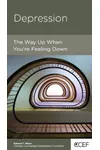
These are brief, pocket-sized resources (typically under 10,000 words) designed for rapid reading or to be given away by pastors and counselors to individuals in crisis. Key titles include Depression: The Way Up When You Are Down (2000), Domestic Abuse: How to Help (2001), Living with an Angry Spouse (2008), and Freedom from Addiction (2012).
Ask the Christian Counselor Series
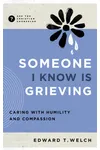
Published by New Growth Press, this series consists of mid-length books that address singular questions in detail. They are longer than minibooks but shorter and more focused than full-length monographs. Welch has authored several entries, such as I Have a Psychiatric Diagnosis: What Does the Bible Say? (2022) and Someone I Know Is Grieving: Caring with Humility and Compassion (2023).
Good News for Little Hearts (Children's Books)
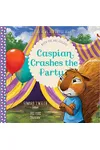
For parents looking to teach biblical counseling principles to young children (ages 3–8), Welch serves as an author and editor for this series. Featuring animal characters in Mulberry Meadow and illustrated by Joe Hox, these books address childhood struggles. Welch's direct contributions include Buster's Ears Trip Him Up (2018) on failure, Henry Says Good-bye (2020) on sadness and grief, and Caspian Crashes the Party (2020) on jealousy.