








Where to Start with E.F. Benson
If you are new to the witty, satirical, and sometimes spooky world of E.F. Benson, deciding where to begin can feel daunting. With nearly a hundred books spanning social satire, supernatural horror, children's fantasy, and biographies, Benson was incredibly prolific. However, most readers fall in love with his work through one of two entry points: the comedic battles of his Mapp and Lucia series or his chilling classic ghost stories.
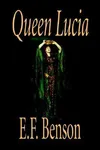
For the ultimate introduction to his wit, start with Queen Lucia (1920), the first novel in the Mapp and Lucia sequence. If you prefer eerie atmospheres and classic horror, pick up a collection containing The Room in the Tower (1912), which features some of the finest Edwardian ghost stories ever written.
The Mapp & Lucia Reading Order
Benson's crowning achievement is the Mapp and Lucia series, which follows the social climbs, pretension, and hilarious rivalry of Emmeline "Lucia" Lucas and Elizabeth Mapp in the fictional coastal town of Tilling (closely modeled on Rye, East Sussex, where Benson lived). The original series consists of six novels published between 1920 and 1939. However, the publication order can sometimes confuse readers because of compilations and character overlaps.
Here is the recommended reading order for the original six novels by E.F. Benson:
- Queen Lucia (1920) – Introduces the pretentious, culturally snobbish Lucia and her effete sidekick Georgie Pillson in the village of Riseholme.
- Miss Mapp (1922) – Introduces the scheming, busybody Elizabeth Mapp in the seaside town of Tilling. Lucia does not appear in this book.
- Lucia in London (1927) – Follows Lucia as she temporarily leaves Riseholme to conquer London high society.
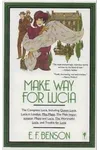
- Mapp and Lucia (1931) – The ultimate crossover novel. Lucia moves to Tilling, sets up house, and goes head-to-head with Elizabeth Mapp for social supremacy.
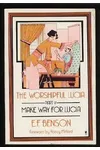
- Lucia's Progress (1935) – Also published in the US under the title The Worshipful Lucia. The battle for Tilling intensifies as Lucia runs for municipal office.
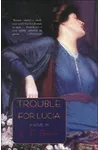
- Trouble for Lucia (1939) – The final novel written by Benson, showcasing Lucia as mayor of Tilling and the escalating schemes of Miss Mapp.
Understanding the Omnibus Collections
When searching for these books, you will frequently run into omnibus editions. Knowing what these contain will save you from buying duplicate stories:
- Lucia Rising (1927): Typically collects the first three novels (Queen Lucia, Miss Mapp, and Lucia in London).
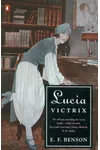
- Lucia Victrix (1939): Usually collects the final three novels (Mapp and Lucia, Lucia's Progress, and Trouble for Lucia).
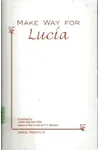
- Make Way for Lucia (1977): The definitive omnibus containing all six original novels, along with Benson's play adaptation and occasional short stories.
The Authorized Continuations (Sequels)
Because the citizens of Tilling left such an impression on readers, other authors were later authorized to write sequels continuing their adventures. If you cannot get enough of Tilling, you can read these continuations directly after finishing Trouble for Lucia:
- Lucia in Wartime (1985) by Tom Holt – Picks up the story with the residents of Tilling facing the trials, rationing, and comedic opportunities of World War II.
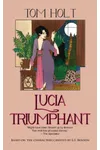
- Lucia Triumphant (1986) by Tom Holt – The final Tom Holt sequel, wrapping up the war-era and immediate post-war lives of the characters.
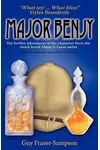
- Major Benjy (2008) by Guy Fraser-Sampson – A sequel focusing on the perspective of the curmudgeonly Major Benjamin "Benjy" Flint.
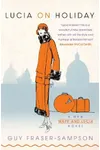
- Lucia on Holiday (2012) by Guy Fraser-Sampson – Follows Lucia and her entourage as they travel abroad to Italy.
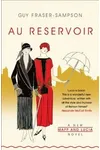
- Au Reservoir (2014) by Guy Fraser-Sampson – Another sequel continuing the comedic social rivalries of Tilling.
The Dodo Trilogy: Publication Nuances
Benson first rose to fame with his debut novel, Dodo: A Detail of the Day (1893), which was a massive bestseller and a biting satire of late-Victorian high society. The series is commonly referred to as the Dodo Trilogy, but looking at bibliography lists can be confusing because four titles are often listed. Here is the clarification you need:
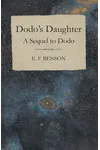
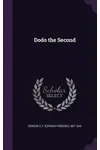
The second book in the series was published in the United States in late 1913 as Dodo's Daughter. When it was published in the United Kingdom in 1914, it was retitled Dodo the Second. They are the exact same novel! Therefore, the actual reading order of the trilogy is:
- Dodo (1893)
- Dodo's Daughter (1913) / Dodo the Second (1914)
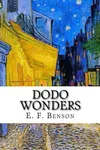
- Dodo Wonders (1921)
The David Blaize Series: Chronological vs. Publication Order
The David Blaize books follow the life of a young Englishman from childhood through his school years. While they are a trilogy, the second book published is actually a prequel that differs significantly in genre.
If you prefer to read in publication order:
- David Blaize (1916) – Follows David's experiences at a preparatory school and a public school. This is a classic, realistic school novel.
- David Blaize and the Blue Door (1918) – A whimsical children's fantasy novel heavily influenced by Lewis Carroll's work.
- David of King's (1924) – Follows David's university years at King's College, Cambridge.
If you prefer to read in chronological order of David's life:
- David Blaize and the Blue Door (1918) – Set during David's early childhood at age six.
- David Blaize (1916) – Covers his adolescent schoolboy years.
- David of King's (1924) – Covers his young adult university years.
Supernatural & Ghost Stories: Original Collections
E.F. Benson was a master of the Edwardian ghost story, written in the tradition of his contemporary M.R. James. Rather than writing supernatural novels, Benson wrote dozens of eerie short stories that were published in magazines and later collected. To experience his horror at its best, you should seek out his original collections or modern comprehensive anthologies:
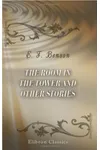
- The Room in the Tower and Other Stories (1912) – The collection that solidified his reputation in horror. It includes the famous title story and "The Bus-Conductor" (which inspired the famous segment in the 1945 film Dead of Night).
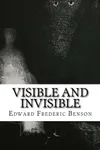
- Visible and Invisible (1924) – Contains supernatural tales including "And No Bird Sings" and "The Horror-Horn."
- Spook Stories (1928) – Includes the iconic vampire story "Mrs. Amworth."
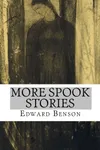
- More Spook Stories (1934) – Benson's final original collection of weird tales.
The Colin Duology and Standalone Satires
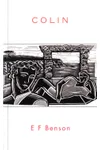
For readers who have exhausted the major series, Benson wrote several other noteworthy books. Among them is the Colin Duology, a dark, Faustian tale about a family that made a pact with the devil. Read these in order:
- Colin (1923)
- Colin II (1925)
Additionally, Benson's standalone novels like Secret Lives (1932) and Paying Guests (1929) offer the same delightful, dry humor found in his Mapp and Lucia books and are perfect for fans of lighthearted British social comedy.