
Where to Start with Elaine Castillo
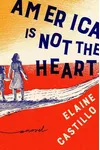
For most readers, the absolute best place to begin is with her sensational debut novel, America Is Not the Heart (2018). This sprawling family epic introduces her signature writing style—lush, vernacular, and unapologetically multicultural. Reading this first allows you to experience her world-building and character development at their most intimate and grounded before you tackle the experimental forms of her later works.
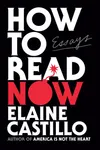
If you prefer non-fiction or cultural criticism, you can also start with How to Read Now (2022). This essay collection acts as a masterclass in how Castillo thinks about art, empathy, and representation. Understanding her analytical framework makes reading her novels a much richer, more deliberate experience, as you will notice the precise choices she makes in challenging traditional literary structures.
Publication Order of Elaine Castillo's Books
Although her works are standalones and do not form a chronological narrative series, reading them in publication order shows her rapid evolution from a local storyteller to a national critical voice. Here is the chronological sequence of her releases:
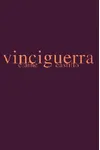
- Vinciguerra (2001) – A rare, early collection of short stories published when Castillo was a teenager.
- America Is Not the Heart (2018) – Her breakout debut novel following a Filipino family in the San Francisco Bay Area.
- How to Read Now (2022) – A provocative collection of non-fiction essays on reading culture and media consumption.
- Moderation (2025) – Her second novel, which blends literary realism with speculative themes surrounding the tech industry and digital labor.
What to Know Before You Start
Before diving into Castillo's bibliography, it is helpful to understand a few unique aspects of her literary style. Her works are deeply rooted in the Filipino American experience, specifically within the diaspora communities of the San Francisco Bay Area (such as Milpitas, California). One of her most notable stylistic choices is her refusal to translate non-English terms for the reader. She moves fluidly between English, Tagalog, Ilocano, and Pangasinan, choosing to honor her community's linguistic heritage rather than catering to a monolingual gaze.
Furthermore, Castillo's works heavily feature queer representation and complex family dynamics. Her characters are rarely clean-cut heroes; they are complicated, sometimes compromised individuals navigating systemic trauma, class displacement, and identity. Whether she is writing fiction about former political rebels or non-fiction dissecting white melancholy in classic literature, she demands active, thoughtful engagement from her readers.
Deep Dive into Her Major Works
America Is Not the Heart (2018)
Set in Milpitas, California, during the 1990s, Castillo's debut novel follows Hero De Vera, a former New People's Army rebel from the Philippines who arrives in America to live with her surgeon uncle, his wife, and their young daughter. Suffering from physical and psychological trauma, Hero builds an unexpected life working at a local restaurant, navigating the complex web of immigrant community dynamics, and embarking on a tender queer romance. The book's title is a deliberate nod to Carlos Bulosan's classic 1946 memoir America Is in the Heart, offering a modern, queer, and female-centric counter-narrative to the traditional American Dream.
How to Read Now (2022)
This fierce and funny collection of essays targets the passive way contemporary culture consumes art. Castillo dissects the popular myth that reading novels automatically makes people more empathetic, arguing instead that empathy is often treated as a cheap commodity that allows readers to feel virtuous without doing actual political or social work. The collection includes a memorable and rigorous critique of Joan Didion, arguing that the celebrated writer often treated marginalized populations and local landscapes merely as aesthetic backdrops for white, middle-class narratives.
Moderation (2025)
Castillo's second novel shifts focus toward speculative realism and the modern tech landscape. The story centers on Girlie Delmundo, a Filipina content moderator based in Las Vegas who spends her days filtering out the internet's most horrific videos for a tech company. Desperate to escape her family's crushing debt, she transfers to the company's virtual reality branch, tasked with policing simulated historical worlds. As she starts a relationship with her new boss, she uncovers corrupt, hidden code within the system. The novel is a scathing and humorous examination of virtual labor, corporate ethics, and the class structures underpinning modern technology.
Vinciguerra (2001)
This early collection of stories was published when Castillo was still a teenager in California. Featuring raw, early explorations of identity, physical illness, and destiny, it is highly sought after by completionists but remains difficult to find in print. While not necessary to understand her main body of work, it offers a fascinating look at the early development of her creative voice.