

How to Read Elaine Pagels: The Recommended Reading Path
Elaine Pagels is a world-renowned historian of religion who has spent decades translating, analyzing, and contextualizing ancient texts—specifically the Gnostic gospels discovered at Nag Hammadi in 1945. Because her books are non-fiction, there is no chronological narrative or timeline to follow. Instead, her work is best approached by grouping her books thematically and reading them in a sequence that builds from general introductions to specific, deep-dive historical investigations.
1. Start with the Breakthrough Classic: The Gnostic Gospels (1979)
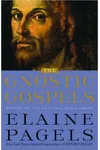
If you only read one book by Elaine Pagels, it should be The Gnostic Gospels. This groundbreaking book introduced the general public to the Nag Hammadi library, a collection of ancient Christian texts that were buried in the Egyptian desert in the fourth century and rediscovered in 1945. Pagels explains how early Christianity was not a monolithic movement but a diverse ecosystem of competing beliefs, highlighting how Gnostic texts offered alternative views on the divine, the resurrection, and the role of women in the church. It is the perfect entry point for understanding her scholarship, tone, and historical approach.
2. The Core Gnostic Trilogy: Unlocking the Secret Gospels
After reading her central work, the best next steps are her companion books that focus directly on specific non-canonical texts:
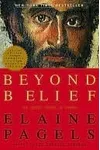
- Beyond Belief: The Secret Gospel of Thomas (2003) – This book acts as a direct sequel to The Gnostic Gospels. It focuses heavily on the Gospel of Thomas and contrasts its mystical teachings with the more familiar Gospel of John, explaining how the early Church selected which gospels were accepted into the biblical canon.
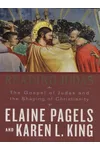
- Reading Judas: The Gospel of Judas and the Shaping of Christianity (2007) – Co-authored with Karen L. King, this book explores the infamous Gospel of Judas, which was rediscovered and published in the mid-2000s. Pagels analyzes how this text flips the traditional narrative of betrayal on its head, presenting Judas not as a traitor, but as Jesus's closest confidant.
3. Thematic Explorations of Christian Theology and Culture
Once you understand the Gnostic texts, you can move on to Pagels's thematic books, which explore how specific theological concepts shaped Western culture:
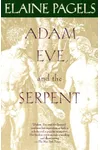
- Adam, Eve, and the Serpent: Sex and Politics in Early Christianity (1988) – This book examines how early Christians interpreted the creation story in Genesis. Pagels shows how debates over free will, nature, and sexuality influenced the political structures of the Roman Empire and the development of Western moral attitudes.
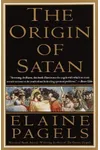
- The Origin of Satan: How Christians Demonized Jews, Pagans, and Heretics (1995) – Written during a period of immense personal loss, this book traces the evolution of the devil from a minor figure in Hebrew scriptures into a powerful force of cosmic evil used by early Christians to demonize their religious and political rivals.
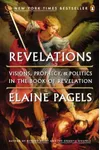
- Revelations: Visions, Prophecy, and Politics in the Book of Revelation (2012) – Pagels turns her attention to the final book of the New Testament, placing the visions of John of Patmos in their historical and political context as a wartime critique of the Roman Empire rather than a literal roadmap for the end of the world.
- Miracles and Wonder: The Historical Mystery of Jesus (2025) – In this recent work, Pagels explores the life of the historical Jesus, investigating how early followers built narratives around his miracles, birth, and resurrection to explain the unexpected rise of a global movement from humble origins.
4. Understanding the Scholar: The Personal Memoir
To understand the personal motivation and emotional core behind Pagels's rigorous academic research, you should read her memoir:
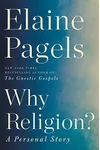
- Why Religion?: A Personal Story (2018) – Part intellectual history and part memoir of grief, this book details her journey through the tragic loss of her young son and her husband, physicist Heinz Pagels. It explores why religious narratives and communities continue to hold meaning for people, even in the face of devastating personal tragedy.
5. For the Dedicated Scholar: The Academic Foundations
Before Pagels wrote for a general audience, she published highly technical, academic monographs. These are recommended primarily for readers interested in academic theological debates and the minutiae of biblical exegesis:
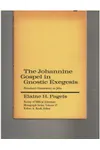
- The Johannine Gospel in Gnostic Exegesis (1973) – A scholarly analysis of how Gnostic writers interpreted the Gospel of John.
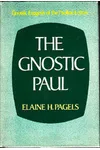
- The Gnostic Paul: Gnostic Exegesis of the Pauline Letters (1975) – An academic study showing how Gnostic thinkers read and claimed the letters of the Apostle Paul.
Elaine Pagels Books in Publication Order
If you prefer to see how her ideas developed chronologically over her career, here is the complete list of her major books in order of their publication:
- The Johannine Gospel in Gnostic Exegesis (1973)
- The Gnostic Paul: Gnostic Exegesis of the Pauline Letters (1975)
- The Gnostic Gospels (1979)
- Adam, Eve, and the Serpent: Sex and Politics in Early Christianity (1988)
- The Origin of Satan: How Christians Demonized Jews, Pagans, and Heretics (1995)
- Beyond Belief: The Secret Gospel of Thomas (2003)
- Reading Judas: The Gospel of Judas and the Shaping of Christianity (with Karen L. King, 2007)
- Revelations: Visions, Prophecy, and Politics in the Book of Revelation (2012)
- Why Religion?: A Personal Story (2018)
- Miracles and Wonder: The Historical Mystery of Jesus (2025)
What to Know Before You Start
Elaine Pagels's writing style is highly accessible, blending rigorous historical analysis with clear, narrative-driven storytelling. However, readers should keep in mind that her books are historical and academic, not devotional. She approaches early Christian texts as historical documents that reflect the social, political, and cultural conflicts of their time. For readers raised with traditional Christian teachings, her work can be eye-opening, as it reveals the diverse, often contradictory viewpoints that existed before the New Testament canon was finalized. Reading her books requires an open mind and a curiosity about the historical forces that shaped Western spirituality.