



Where Should You Start Reading Elisabeth Elliot?
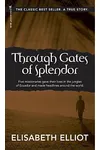
For readers new to Elisabeth Elliot, the best starting point is her groundbreaking missionary memoir, Through Gates of Splendor (1957). This book recounts the real-life story of her first husband, Jim Elliot, and his four missionary colleagues who were martyred in 1956 by the Waorani (then referred to as Auca) tribe in Ecuador. It establishes the biographical foundation for almost all her other writing and showcases her direct, intellectually honest, and deeply faithful writing style.
Depending on your interest, you can follow one of three main tracks:
- The Ecuador Missionary Memoirs: Follow this path if you want to read the chronological or publication order of her real-life missionary experiences.
- Christian Living and Relationships: Start with her relationship classic, Passion and Purity (1984), which draws directly on her personal diaries and letters during her courtship with Jim Elliot.
- Deep Theological Reflections: Start with Suffering Is Never for Nothing (published posthumously in 2019, based on her 1991 lectures), which offers her most concise and mature thoughts on trials, grief, and faith.
The Ecuador Missionary Memoirs: Publication vs. Chronological Order
Elisabeth Elliot's most famous works form a narrative arc around her missionary work in Ecuador. While they are technically standalones, they read best when grouped together. You can approach this sequence in two different ways.
Option 1: Chronological Order (Recommended for Biography Lovers)
Reading the books in chronological order allows you to follow Elisabeth Elliot's life as it actually unfolded, starting with her arrival in Ecuador as a single missionary and moving through the tragic loss of her husband to her subsequent ministry to the very tribe that killed him.
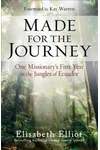
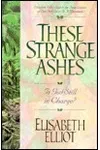
- These Strange Ashes (1979) – Covers her first year as a single missionary in the Ecuadorian jungle (1952–1953) working with the Colorado (Tsáchila) Indians. Note: This book is also published under the title Made for the Journey.
- Through Gates of Splendor (1957) – Chronicles the 1956 events of Operation Auca, the martyrdom of the five missionaries, and the immediate aftermath.
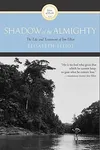
- Shadow of the Almighty: The Life and Testament of Jim Elliot (1958) – A biography of her husband Jim, tracing his spiritual journey and incorporating his early journals and letters leading up to the events of 1956.
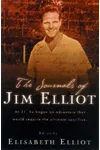
- The Journals of Jim Elliot (1978) – Provides a deeper, unfiltered look at Jim Elliot's spiritual life in his own raw words.
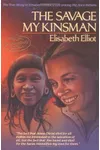
- The Savage My Kinsman (1960) – Details her return to live and work peacefully among the Waorani tribe with her young daughter Valerie between 1958 and 1960.
Option 2: Publication Order
If you prefer to read the books in the order they were released to the public, follow this path. This reflects how the Christian world first encountered her testimony in the late 1950s before she later filled in the gaps of her earlier life.
- Through Gates of Splendor (1957)
- Shadow of the Almighty (1958)
- The Savage My Kinsman (1960)
- The Journals of Jim Elliot (1978)
- These Strange Ashes (1979)
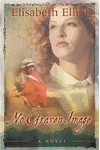
Her Only Novel: No Graven Image
In 1966, Elisabeth Elliot published her only work of fiction, No Graven Image. The novel follows Margaret Sparhawk, a young American missionary in South America who faces severe hardships and doubts while translating the Bible. Drawing heavily from Elliot's own real-world struggles, the novel was highly controversial upon its release because it rejected the idealized, clean missionary narratives common in mid-century evangelical media, focusing instead on themes of failure, unmet expectations, and the sovereignty of God. It is best read after completing her primary memoirs to understand the real-life trials that inspired its fictional themes.
Other Biographies Written by Elliot
Beyond chronicling her own life and that of her first husband, Elliot wrote highly regarded biographies of other significant missionary figures:
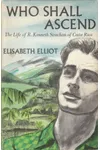
- Who Shall Ascend: The Life of R. Kenneth Strachan of Costa Rica (1968) – A biography of the director of the Latin America Mission, focusing on the human paradoxes of anxiety, adequacy, and faith.
- A Chance to Die: The Life and Legacy of Amy Carmichael (1987) – Elliot's highly acclaimed biography of the Scottish missionary who rescued children and served in India.
What to Know Before You Start
When starting Elisabeth Elliot's bibliography, keep the following in mind:
- No-Nonsense Tone: Elliot was known for her direct, unsentimental approach. She did not shy away from the hard realities of grief, loneliness, and spiritual difficulty.
- Historical Context: Her early missionary books were written in the late 1950s and early 1960s. Readers should keep the cultural context of that era in mind, particularly regarding terminology.
- Discrepancies in Dates: Some databases list Let Me Be a Woman as published in 1966; however, it was actually published in 1976. Similarly, The Savage My Kinsman is sometimes listed as 1961 due to differing publication runs, but its initial copyright is 1960.
- Beware of Similar Names: Do not confuse the missionary author Elisabeth Elliot with Elizabeth Elliott, a romance novelist who writes historical fiction.