

Where to Start with Elise Hooper
Because Elise Hooper writes standalone historical novels, there is no strict chronological or narrative link connecting them. You can read them in any order you choose. However, the best starting point depends entirely on your historical interests.
For Lovers of Literary Classics: The Other Alcott
If you grew up reading Louisa May Alcott's Little Women, this is the perfect place to start. Hooper's debut novel turns the spotlight on May Alcott, the real-life sister who served as the basis for the often-maligned Amy March. The story follows May as she struggles to establish herself as an independent artist in Boston and Paris during the 1860s and 1870s, constantly living in the shadow of her famous sister’s literary success. It is a fantastic exploration of sibling rivalry, ambition, and the restrictions placed on creative women in the nineteenth century.
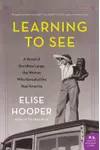
For Photography and Art History Buffs: Learning to See
This novel is a fictionalized biography of Dorothea Lange, the legendary photojournalist whose images defined the Great Depression. The book begins in Bohemian San Francisco in 1918 and moves through the economic collapse of the 1930s and the injustices of Japanese-American internment camps during World War II. It shows the immense personal cost of Dorothea's dedication to her craft and her struggle to balance motherhood with her calling to capture the truth through a lens.
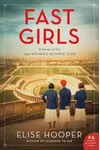
For Sports Fans and Underdog Enthusiasts: Fast Girls
If you love inspiring sports history, start here. Fast Girls follows three real-life female track-and-field athletes—Betty Robinson, Louise Stokes, and Helen Stephens—as they overcome sexism, racism, and poverty to compete in the 1936 Berlin Olympics. Spanning from 1928 to 1936, the novel offers a thrilling look at early women's athletics and the determination required to succeed on the global stage under the shadow of impending war.
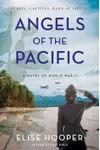
For Fans of WWII History and Resistance Stories: Angels of the Pacific
Set in the Philippines from 1941 to 1945, this novel centers on the "Angels of Bataan"—the army nurses who were captured and held as prisoners of war for four years. The story is told through the eyes of Tess Abbott, an American nurse, and Flor Dalisay, a young Filipina student who joins the underground resistance. It is a gripping, emotional account of survival, sisterhood, and resilience during the Pacific conflict.
For Fans of Dual-Timeline Mysteries: The Library of Lost Dollhouses
This novel features a dual-timeline structure set in 2024 San San Francisco and historical settings spanning Belle Époque Paris, post-WWI England, and 1950s Burbank. The plot centers on Tildy Barrows, a curator who discovers two mysterious, highly detailed dollhouses in a hidden archive room. As she investigates their origins, she uncovers the stories of forgotten female artists and long-buried family secrets that hold the key to saving her struggling library.
Elise Hooper Books in Publication Order
While the books do not share a continuity, reading them in order of release lets you see Hooper’s growth as a historical novelist, moving from biographical deep-dives into single figures to multi-perspective and dual-timeline structures.
- The Other Alcott (September 2017)
- Learning to See (January 2019)
- Fast Girls (July 2020)
- Angels of the Pacific (March 2022)
- The Library of Lost Dollhouses (April 2025)
Chronological Settings and Timelines
If you prefer to read historical fiction in the order of the eras they depict, you can arrange Hooper’s novels chronologically by their historical settings:
- The Other Alcott (Set in the 1860s and 1870s) – Explores the post-Civil War art scenes of Boston and Europe.
- Learning to See (Set from 1918 through the 1940s) – Follows Dorothea Lange’s journey from bohemian San Francisco to her iconic Depression-era and WWII documentary work.
- Fast Girls (Set from 1928 to 1936) – Focuses on the rise of women's track and field, culminating at the 1936 Nazi Berlin Olympics.
- Angels of the Pacific (Set from 1941 to 1945) – Documents the battle of Bataan, Corregidor, and the subsequent occupation of the Philippines during WWII.
- The Library of Lost Dollhouses (Dual timeline, 2024 present day and historical threads covering the Belle Époque, WWI, and the 1950s) – Investigates generational art history through miniatures.
What to Know Before You Start
Elise Hooper’s novels are characterized by meticulous research. A former high school literature and history teacher, she spends years searching through old diaries, letters, newspapers, and even vintage menus to construct her worlds. Her books are highly empathetic and aim to reclaim the narratives of women who have been marginalized or forgotten by history. While she sticks closely to the framework of real events, she uses fictionalized inner monologues and secondary characters to fill in the historical gaps, making the stories feel deeply personal and immediate.