
Where to Start Reading Elissa Washuta
Elissa Washuta’s books are not structured as a chronological, multi-volume narrative series with a strict continuity. Instead, they are deeply personal, experimental memoirs and thematic essay collections. Because of this, you can read them in any order you choose. However, depending on what type of reader you are, there are three distinct paths you can take to begin your journey into her writing.
Path 1: The Spellbinding Entry (Recommended)
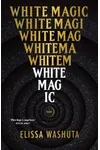
If you want to experience Washuta at the height of her structural and stylistic mastery, start with White Magic (2021). This collection is her most mature and widely acclaimed work, blending her search for spiritual alignment and healing with sharp critiques of colonialism, pop culture (like Twin Peaks and Oregon Trail), and toxic relationships. It is the perfect introduction to her unique voice and her ability to weave complex, seemingly unrelated cultural threads into a unified personal narrative.
Path 2: The Chronological Origin Path
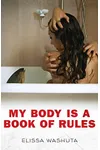
If you prefer to see how an author’s voice and craft develop over time, start with her debut memoir, My Body Is a Book of Rules (2014). This raw, visceral book details her early adulthood struggles with bipolar disorder, sexual assault, and navigating her Cowlitz identity. It establishes many of the structural techniques and thematic concerns—such as the clinical vs. the deeply personal—that she continues to refine in later works.
Path 3: The Collaborative Overview Path
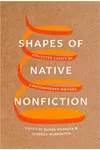
If you are interested in the wider landscape of contemporary Indigenous literature and want to understand the framework of Washuta’s creative philosophy, start with the anthology she co-edited, Shapes of Native Nonfiction: Collected Essays by Contemporary Writers (2019). It provides a ground-breaking look at how modern Native writers are reshaping the essay form, utilizing a structural metaphor based on traditional basket-weaving.
The Core Books in Publication Order
Reading Elissa Washuta in order of publication allows you to trace her evolving relationship with her identity, her trauma, and the structural limits of the essay format. Here is the chronological breakdown of her core books:
1. My Body Is a Book of Rules (2014)
Published by Red Hen Press, Washuta’s debut memoir is a heavy, unflinching look at her twenties. Formally inventive, it uses clinical definitions, prescription drug information, and pop culture references to organize her experiences with bipolar disorder, sexual trauma, and the search for identity. It was named a finalist for the Washington State Book Award, highlighting her immediate impact on the genre of creative nonfiction.
2. Starvation Mode (2015)
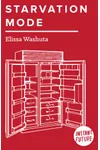
This short, structured chapbook-length memoir, published by Instant Novelist, focuses on Washuta’s relationship with food, body image, and self-preservation. Written as a set of rules and checklists, the book mimics the rigid control of eating disorders while simultaneously exposing the emotional chaos beneath the surface. It is a quick but intense read that showcases her skill with constraint-based writing.
3. White Magic (2021)
Published by Tin House Books, this collection of interconnected essays explores Washuta's journey toward sobriety, her practice of witchcraft, and her attempts to heal from a series of toxic relationships and generational trauma. The essays map her physical movements across the Pacific Northwest and her spiritual reconnection to her Cowlitz ancestry, all while dissecting the colonizing forces that attempt to commodify Indigenous spirituality.
Edited Anthologies and Contributions
In addition to her solo memoirs, Washuta has played a vital role in defining modern creative nonfiction through her editing and contributions to anthologies:
Shapes of Native Nonfiction: Collected Essays by Contemporary Writers (2019)
Co-edited with Theresa Warburton and published by the University of Washington Press, this landmark anthology features works by various Native American writers. The collection is organized around the physical process of basket-weaving, dividing the essays into sections titled "Technique," "Coiling," "Plaiting," and "Twining." This structure challenges the traditional, linear forms of Western essay writing and offers a template for understanding how contemporary Indigenous storytellers build their narratives.
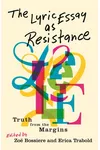
Anthology Contributions: Pie & Whiskey and The Lyric Essay as Resistance
For readers who want to seek out Washuta's shorter standalone pieces, she has contributed outstanding essays to two notable collections:
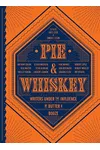
- Pie & Whiskey: Writers Under the Influence of Butter & Booze (2017): Edited by Kate Lebo and Samuel Ligon, this anthology features Washuta's essay "Congratulations! You Have a New Match," a darkly funny and candid look at modern dating and Tinder culture.
- The Lyric Essay as Resistance: Truth from the Margins (2023): Edited by Zoë Bossiere and Erica Trabold, this collection features Washuta's essay "Apocalypse Logic," demonstrating how the lyric essay serves as a powerful medium for marginalized voices to push back against dominant cultural narratives.
What to Know Before You Start
Elissa Washuta’s work is incredibly rewarding, but it deals with heavy themes that may require reader discretion. Before diving in, keep these practical points in mind:
Trigger Warnings and Tone
Washuta does not shy away from difficult topics. Her memoirs discuss sexual assault, mental illness, eating disorders, and systemic colonization. However, her tone is never sensationalized; it is analytical, poetic, and often punctuated by a dry, self-deprecating humor that makes the intense subject matter digestible.
Understanding the Lyric Essay
If you are expecting a traditional, linear autobiography, Washuta's work might surprise you. She is a pioneer of the "lyric essay"—a form that sits between poetry and prose, relying on association, fragmentation, juxtaposition, and structural metaphors rather than straightforward chronology. Reading her work requires a willingness to let the pieces assemble themselves in your mind as you go.
Universal Connections through Pop Culture
Despite the highly specific nature of her personal experiences, Washuta grounds her work in shared cultural touchstones. From analyzing Stevie Nicks and late-90s computer games to dissecting the representation of Native people in mainstream media, she uses pop culture as a bridge to help readers understand the deeper, complex dynamics of colonialism and personal isolation.