

Where to Start Reading Elizabeth Day
Elizabeth Day is a versatile British author, journalist, and broadcaster who seamlessly navigates between suspenseful, character-driven fiction and deeply personal, empathetic non-fiction. Because her books span different genres, the best place to start depends entirely on your reading preferences. You can choose from one of three curated entry paths:
Path A: The Suspense and Social Satire Path (Highly Recommended)
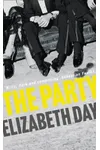
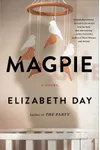
If you love psychological suspense, sharp observations of the British class system, and character studies of obsessive personalities, start with The Party (2017). This novel showcases Day's talent for building slow-burn tension and dissecting the toxic dynamics of privilege. It also introduces characters that she revisits in her 2025 sequel, One of Us. Alternatively, you can start with Magpie (2021), a critically acclaimed psychological thriller that explores the intense emotional landscape of infertility, gaslighting, and domestic obsession with a massive mid-book twist.
Path B: The Non-Fiction and Self-Reflection Path
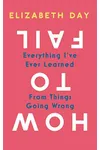
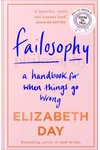
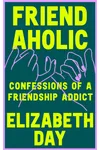
If you know Elizabeth Day from her chart-topping podcast, How to Fail with Elizabeth Day, or if you enjoy memoirs and self-help essays, your starting point should be How to Fail: Everything I've Ever Learned from Things Going Wrong (2019). Part memoir, part manifesto, this book is a warm, reassuring exploration of why setbacks are necessary for growth. Follow this up with Failosophy (2020) for a quick, handbook-style compilation of core lessons, and then dive into Friendaholic (2023) to explore the complicated, often unexamined world of adult friendship dynamics.
Path C: The Literary Drama Path
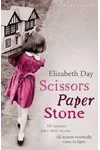
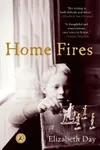
For readers who prefer character-centric literary fiction that deals with trauma, historical echoes, and human resilience, start at the beginning of her career. Her debut novel, Scissors, Paper, Stone (2011), is a sensitive and devastating look at the long-term impact of familial trauma and abuse. You can also begin with Home Fires (2013), which explores how two different generations of women deal with the grief and domestic fallout of war.
The Martin Gilmour Duology (The Only Direct Sequel)
For most of her career, Elizabeth Day wrote strictly standalone novels. However, she broke this trend with the publication of her 2025 novel, One of Us, which serves as a direct follow-up to her breakout hit The Party. Here is how you should read them:
- The Party (2017): Set during a lavish 40th birthday party, the story explores the obsessive, decades-long friendship between the middle-class outsider Martin Gilmour and the wealthy, aristocratic Ben Fitzmaurice. As the night unfolds, a dark secret from their school days threatens to ruin both of their lives.
- One of Us (2025): Set years later, this novel catches up with Martin and Ben. Ben is now rising through the ranks of the political establishment with ambitions to become Prime Minister, while Martin is drawn back into the family's sphere of influence following a family tragedy. Martin must decide whether to protect his old friend or finally exact his revenge.
Reading Order Caveat: While One of Us is structured to work as a standalone novel—meaning Day provides enough summarized backstory in the early chapters for new readers to follow along—we strongly recommend reading The Party first. The emotional payoff, the building tension, and the dark satisfaction of Martin's character arc are far more impactful if you have experienced their history chronologically.
Elizabeth Day Books in Publication Order
If you prefer to watch an author's style mature over time, reading in order of publication is an excellent choice. Elizabeth Day's works can be divided into fiction and non-fiction categories.
The Standalone Novels and Duology
- Scissors, Paper, Stone (2011): Day's debut novel tells the story of the Redshaw family, exposing the dark secrets, abuse, and unspoken pain that tear them apart across generations. It won the Betty Trask Award.
- Home Fires (2013): A moving literary novel that parallels the lives of two women—one navigating the home front during World War I, and the other dealing with the loss of her soldier son in modern times.
- Paradise City (2015): A multi-perspective portrait of contemporary London. It follows four vastly different characters whose lives collide, highlighting themes of wealth, immigration, media, and isolation.
- The Party (2017): A tense, claustrophobic psychological drama centering on the British upper class and a co-dependent friendship built on secrets.
- Magpie (2021): A suspenseful, twisty thriller about a woman named Marisa who welcomes a lodger into the home she shares with her partner, only to find the new arrival encroaching on her relationship, pregnancy, and sanity.
- One of Us (2025): The sequel to The Party, following Martin Gilmour's return to the wealthy Fitzmaurice family circle.
The Non-Fiction Books
- How to Fail: Everything I've Ever Learned from Things Going Wrong (2019): A mix of personal memoir and philosophical essays based on the concept of her popular podcast. Day writes honestly about her own experiences with divorce, infertility, and career shifts.
- Failosophy: A Handbook for When Things Go Wrong (2020): A pocket-sized companion guide that distills the seven key principles of failure into practical, bite-sized advice, featuring quotes and wisdom from her podcast guests.
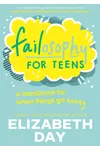
- Failosophy for Teens (2023): An adapted version of her failure philosophy written specifically to help teenagers build resilience, navigate school pressures, and handle social anxiety.
- Friendaholic: Confessions of a Friendship Addict (2023): A reflective, deeply honest look at why we value friendship, how we maintain it, and Day's personal realization that she was overcommitting to too many relationships at the expense of her own well-being.
Short Stories and Edited Works
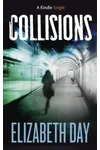
- Collisions (2013): A tense short story focused on the impact of hidden truths and domestic friction.
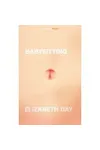
- Babysitting (2014): A poignant short story about a childless woman undergoing IVF treatment who makes a high-stakes decision.
- It's Not OK to Feel Blue (and other lies) (2019): A mental health anthology curated by Scarlett Curtis, containing a personal essay contribution by Elizabeth Day.
What to Know Before You Start
Elizabeth Day's writing is heavily informed by her dual career as an award-winning journalist and a podcaster. Her fiction is celebrated for its precise, psychological profiling, while her non-fiction is known for its disarming vulnerability. Many of her books deal with heavy, real-world themes, particularly surrounding female experiences. Infertility, IVF struggles, sexual trauma, and the rigid structures of the British class system are recurring subjects in works like Magpie, Babysitting, and The Party. Knowing this helps readers prepare for the emotional weight of her narratives, which always treat these topics with deep empathy and respect.