





Where Should You Start Reading Elizabeth Goudge?
With a career spanning five decades, Elizabeth Goudge wrote everything from grand historical sweeps and family sagas to magical children's books and spiritual non-fiction. Because her bibliography is so diverse, your perfect starting point depends on what kind of story you are in the mood for:
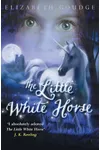
- For Children's & Fantasy Lovers: Begin with The Little White Horse (1946). This Carnegie Medal-winning masterpiece is widely considered her most famous work. It follows orphaned Maria Merryweather as she uncovers ancient family secrets at Moonacre Manor. J.K. Rowling famously named it her favorite childhood book and a major inspiration for the Harry Potter series, citing its detailed descriptions of food and its warm, magical atmosphere.
- For Sweeping Historical Drama: Start with Green Dolphin Street (originally published in the UK as Green Dolphin Country in 1944). This bestseller, set in 19th-century Guernsey and New Zealand, follows the lives of two sisters in love with the same man and features a dramatic, life-altering mistake. It was later adapted into an Academy Award-winning film.
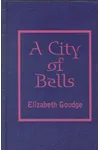
- For Gentle English Village Life: Pick up A City of Bells (1936), the first book in the Torminster Saga. Inspired by Goudge's childhood in cathedral towns like Wells and Ely, it is a comforting, character-driven story about healing, books, and small-town community.
The Torminster Saga (Cathedral Trilogy)
Set in the fictional, idyllic cathedral town of Torminster, this trilogy revolves around the lives of the local community, centering on the charming characters of writer Hugh Anthony, the spirited young Henrietta, and the grandfatherly Dean. While each novel is a self-contained story, they are best read in order to appreciate the growth of the characters and the community:
- A City of Bells (1936) – Introduces Hugh Anthony, a disillusioned war veteran who finds new purpose, love, and healing in Torminster while working in a bookshop.
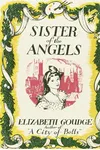
- Sister of the Angels (1939) – A shorter, Christmas-themed novella focusing on Henrietta and an unfinished cathedral mural, highlighting themes of faith and artistic inspiration.
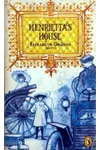
- Henrietta's House (1942) – Also published under the title The Blue Hills. This book leans into childhood wonder, following a picnic excursion into the hills that becomes a series of magical, self-revealing adventures for the children and adults alike.
The Eliots of Damerosehay Saga
This beloved trilogy is a rich family saga set on the Hampshire coast, centering on the matriarch Lucilla Eliot and the beautiful ancestral home of Damerosehay. The books explore the complex dynamics of the Eliot family, the healing power of place, and the rebuilding of hope during and after World War II. They should be read in chronological order to follow the family's generation-spanning narrative:
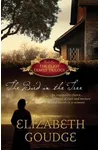
- The Bird in the Tree (1940) – Set on the eve of World War II, this novel introduces the Eliot family, Lucilla's fierce determination to preserve Damerosehay, and a forbidden romance that threatens to divide them.
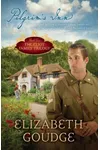
- The Herb of Grace (1948) – Also published in the US as Pilgrim's Inn. Set in the immediate aftermath of the war, the family purchases a run-down medieval inn, finding collective healing and renewal within its ancient walls.
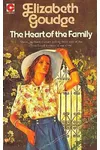
- The Heart of the Family (1953) – The final installment introduces Sebastian Weber, an Austrian refugee and former musician scarred by the war, who finds solace and redemption through his interactions with the Eliot family.
Standalone Historical Novels in Chronological Setting
Goudge was a passionate historian, often setting her standalones in specific eras of English history. While these can be read in any order, reading them chronologically by their historical settings offers a fascinating journey through time:
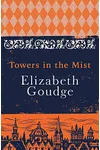
- Towers in the Mist (1937) – Set in late 16th-century Elizabethan Oxford, depicting student life and the visit of Queen Elizabeth I.
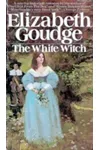
- The White Witch (1952) – Set during the English Civil War (17th century), focusing on royalists, parliamentarians, and the Romani community in Oxfordshire.
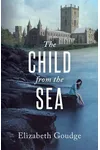
- The Child from the Sea (1970) – Goudge's final novel, a biographical romance depicting the tragic life of Lucy Walter, secret wife of King Charles II.
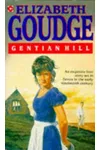
- Gentian Hill (1949) – Set in Devon during the Napoleonic Wars (early 19th century), drawing on local folklore and the legend of the Chapel of St. Michael.
- Green Dolphin Street (1944) – Spans the mid-to-late 19th century, exploring early colonial life in New Zealand and Guernsey.
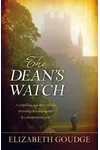
- The Dean's Watch (1960) – Set in a mid-19th century English cathedral town, exploring the transformative friendship between a terrifyingly remote Dean and a humble clockmaker.
Other Notable Standalones and Children's Classics
In addition to her historical epics, Goudge penned several timeless contemporary novels and children's stories that capture the same whimsical, redemptive tone:
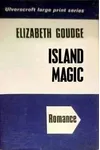
- Island Magic (1934) – Goudge's debut novel, heavily inspired by Guernsey, following a family struggles to save their island farm.
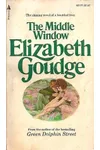
- The Middle Window (1935) – A romance set in the Scottish Highlands featuring themes of reincarnation and historical destiny.
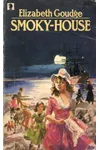
- Smoky-House (1940) – A children's story set in the West Country, featuring smugglers, local spirits, and heroic pets.
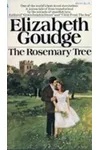
- The Rosemary Tree (1951) – A story of love, forgiveness, and second chances in a Devon vicarage (note: while first published in 1956 in some markets, local databases list it as 1951).
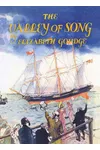
- The Valley of Song (1951) – A children's fantasy about a young girl who helps builders construct a majestic ship by taking them to a magical, parallel world.
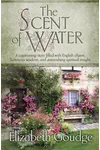
- The Scent of Water (1963) – A mature, reflective novel about a woman who inherits a house in an English village and finds peace in the wake of mental illness and old secrets.
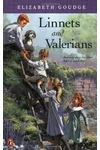
- Linnets and Valerians (1964) – Also published as The Runaways. A charming children's adventure about four siblings who run away from their strict grandmother and uncover local mysteries.
Practical Reading Advice and Caveats
Keep these tips in mind as you explore Elizabeth Goudge's books:
Watch Out for Dual Titles: Many of Goudge's novels were published under different names in the UK and the US. Most notably, The Herb of Grace is widely known as Pilgrim's Inn, Henrietta's House is known as The Blue Hills, Green Dolphin Country was adapted as Green Dolphin Street, and Linnets and Valerians was released as The Runaways.
The Rosemary Tree Controversy: Readers should note that in 1993, a literary scandal erupted when Indian author Indrani Aikath-Gyaltsen published Cranes' Morning. It was later discovered to be a near-verbatim plagiarism of Goudge's 1956 novel The Rosemary Tree, transposed to an Indian setting. Ensure you read Goudge's original work to experience the true prose.
Can the books be read as standalones? Yes, absolutely. Even within her trilogies, Goudge provides enough context for readers to jump in at any point. However, to truly appreciate the growth of the Eliot family in the Damerosehay trilogy, we highly recommend reading them in order starting with The Bird in the Tree.