
How to Read Elizabeth Kolbert’s Books
Elizabeth Kolbert is one of the most prominent environmental journalists of our time. While her books are non-fiction and can technically be read as standalone works, they follow a clear thematic evolution. To get the most out of her work, we recommend following a thematic pathway that traces our changing relationship with the planet.
The Recommended Reading Pathway
If you are new to Kolbert’s writing, the best route is to read her core environmental books in a way that builds from foundational science to the cutting edge of ecological technology:
- The Sixth Extinction: An Unnatural History (2014): Start here. This Pulitzer Prize-winning masterpiece is her most famous and accessible work. It provides a historical and global overview of how human activity is driving the world's sixth mass extinction, making it the perfect introduction to her style of combining hands-on field reporting with deep scientific history.
- Field Notes from a Catastrophe: Man, Nature, and Climate Change (2006): Next, step back slightly to look at the foundations of modern climate change. Originally developed from a groundbreaking series in The New Yorker, this book chronicles early climate science and the political battles surrounding global warming. (Note: Look for the expanded 2015 edition, which features updated chapters).
- Under a White Sky: The Nature of the Future (2021): Follow up with this look at the controversial world of geoengineering. Here, Kolbert explores the irony of humans trying to solve the ecological crises they created by deploying even more intrusive technologies, such as gene drives and solar radiation management.
- H Is for Hope: Climate Change from A to Z (2024): Conclude your main journey with her latest work. Structured as an abecedary with 26 illustrated essays, this book offers a digestible, creative, and slightly more reflective perspective on our current environmental crossroads.
The Outlier: Political Reporting
Before Kolbert became synonymous with climate journalism, she was a political reporter. If you want to explore this side of her career, check out The Prophet of Love: And Other Tales of Power and Deceit (2004). This collection of essays focuses on New York politics and public figures, offering a fascinating look at power structures before she turned her full attention to the natural world.
Elizabeth Kolbert Books in Publication Order
If you prefer to see how Kolbert's perspective and the broader environmental discourse evolved year by year, you can read her books in chronological order:
- The Prophet of Love: And Other Tales of Power and Deceit (2004) - A collection of political profiles and essays.
- Field Notes from a Catastrophe: Man, Nature, and Climate Change (2006) - Her first major environmental book.
- The Sixth Extinction: An Unnatural History (2014) - Her Pulitzer Prize-winning study on biodiversity loss.
- Under a White Sky: The Nature of the Future (2021) - An exploration of human intervention and geoengineering.
- H Is for Hope: Climate Change from A to Z (2024) - An illustrated alphabetical guide to the climate crisis.
Anthologies and Editorial Work
In addition to her solo books, Kolbert has contributed to several key anthologies that highlight environmental writing and scientific research:
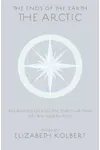
- The Ends of the Earth: An Anthology of the Finest Writing on the Arctic and the Antarctic (2007) - Co-edited with Francis Spufford (sometimes published simply as The Arctic: An Anthology), this collection gathers historical and modern accounts of polar exploration and ecology.
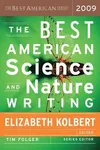
- The Best American Science and Nature Writing 2009 (2009) - Kolbert served as the guest editor for this prestigious annual compilation, selecting the year's top science articles.
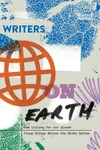
- Writers on Earth: New Visions for Our Planet (2019) - Kolbert wrote the foreword for this anthology of essays and poetry by Gen Z writers reflecting on the climate crisis.
What to Know Before You Start
Kolbert's writing is highly engaging and accessible to non-scientists. She does not lecture; instead, she travels directly to the frontlines of research, whether that means wading into mud to find vanishing frogs or flying in experimental electric planes. Her tone is direct, deeply researched, and often carries a streak of dark humor to offset the gravity of her subject matter. While the topics can be sobering, her books are ultimately designed to inform and inspire engagement rather than cause despair.