
How to Read Elizabeth Loupas's Novels
Elizabeth Loupas is known for writing rich, atmospheric historical mysteries that bring the Renaissance and early modern periods to life. Her stories stand out for their strong, independent female protagonists, high-stakes court politics, and a subtle touch of the mystical or esoteric. Because all of her books are standalone novels rather than a continuous series, readers have complete freedom in how they approach her bibliography.
However, the most common and satisfying way to explore her works is in the order they were published, which allows readers to see the progression of her lush prose style and her evolving approach to historical mystery. Alternatively, history enthusiasts may prefer to read them in chronological order of their historical settings, moving from 16th-century Italy to Scotland, and back to Florence.
Publication Order of Elizabeth Loupas Novels
If you want to read Loupas's works in the order they were written and released to the public, follow this path:
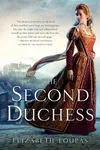
1. The Second Duchess (2011)
Set in 1559 Renaissance Italy, Loupas's debut novel is inspired by Robert Browning's famous poem "My Last Duchess." The story follows Barbara of Austria as she arrives at the court of Ferrara to marry the cold and brilliant Duke Alfonso II d'Este. Aware that the Duke's first wife, Lucrezia de' Medici, died under highly suspicious circumstances, Barbara must navigate a treacherous web of court secrets, poison, and political scheming to discover the truth and ensure she does not meet the same fate.
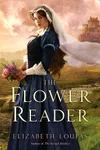
2. The Flower Reader (2012)
Moving from the sun-drenched courts of Italy to the damp and dangerous hills of 16th-century Scotland, this novel is set in 1561 during the reign of Mary, Queen of Scots. The protagonist, Rinette Leslie, possesses the rare and mystical gift of "floromancy"—the ability to read the future and uncover secrets through flowers. When she is brought to the royal court, Rinette finds herself caught between rival Highland clans, religious turmoil, and the personal intrigues of the young Queen, forcing her to use her gift to protect those she loves.
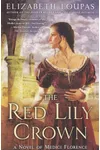
3. The Red Lily Crown (2014)
Loupas returns to Renaissance Italy for her third novel, setting this tale in the dark and alchemical world of 1574 Florence under the rule of the Medici family. The heroine, Chiara Nerini, is a bookseller's daughter who becomes entangled in the alchemical obsessions of Prince Francesco de' Medici. Amid rumors of murder, black magic, and political rebellion, Chiara must decipher cryptic alchemical formulas and navigate the dangerous glamour of the Grand Ducal court to save her family.
The Companion Short Stories
In addition to her full-length novels, Elizabeth Loupas wrote three short stories as companion pieces. Originally published in the British magazine My Weekly, these stories are set in the same fictional worlds as her major novels, offering fans a little extra time with her characters and settings:
- "The Chimera Jewel": A short story companion to The Second Duchess, focusing on the dark courtly secrets of Ferrara.
- "The Eve of Saint Agnes": A companion story to The Flower Reader, exploring Highland romance and Scottish lore.
- "To the End of Time": A companion story to The Red Lily Crown, set in the alchemical world of Renaissance Florence.
Chronological Order by Historical Setting
For readers who prefer to read historical fiction chronologically based on the era in which the stories are set, the order differs slightly from the publication dates:
- The Second Duchess: Set in 1559 (Ferrara, Italy)
- The Flower Reader: Set in 1561 (Scotland)
- The Red Lily Crown: Set in 1574 (Florence, Italy)
Even when reading chronologically, the timeline is highly concentrated within a fifteen-year window of the mid-to-late 16th century, offering a fascinating look at the contrasting cultures of Renaissance Italy and Reformation-era Scotland during the same generation.
Practical Reader Advice: Best Starting Point
If you are new to Elizabeth Loupas, the absolute best starting point is her debut novel, The Second Duchess. It is widely considered her most accessible mystery, featuring a tightly wound plot and a brilliant reimagining of a classic literary mystery. The setting of Ferrara is meticulously researched, and Barbara of Austria is a compelling, relatable heroine whose intelligence drives the plot forward.
If you prefer stories with a heavier touch of mysticism, folk magic, and Celtic history, you should start with The Flower Reader. The practice of floromancy provides a unique thematic anchor that sets the book apart from standard Tudor-era court dramas. For fans of gothic atmosphere, alchemical mysteries, and darker political conspiracies, The Red Lily Crown is the ideal choice.