
How to Read Elizabeth Macneal’s Books
If you are looking to dive into the dark, atmospheric, and beautifully textured world of Elizabeth Macneal, you will find that the journey is delightfully straightforward. Unlike authors who write long, sprawling series with complex chronologies, Macneal has focused her talent on standalone historical fiction. Each of her novels is a self-contained story set in a specific pocket of the Victorian era, meaning there is no strict narrative thread connecting them.
Because there is no overlapping plot or recurring characters, you can read Elizabeth Macneal's novels in any order you choose. However, to see her growth as a storyteller and appreciate how she refines her signature blend of gothic suspense and feminist commentary, we recommend reading them in publication order. Starting with her spectacular debut also helps you understand the hallmarks of her writing style—tactile details, claustrophobic atmospheres, and deeply researched historical backdrops.
The Recommended Starting Point: The Doll Factory
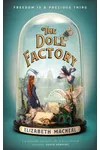
For the absolute best introduction to her work, start with The Doll Factory (2019). It is not only her debut but also her most famous and critically acclaimed work. It perfectly encapsulates everything that makes Macneal a standout voice in modern historical fiction: a gritty yet glittering depiction of 19th-century London, complex female characters fighting for agency, and a chilling sense of suspense that slowly builds to a gothic crescendo. It also has a television adaptation, making it the perfect entry point for cross-media fans.
Elizabeth Macneal’s Books in Publication Order
If you prefer to follow the author’s creative timeline, reading in publication order is the most logical path. This order highlights how Macneal moves from the art studios of 1850s London to the sawdust of traveling circuses, and finally to the eerie, rain-slicked cemeteries of the late 1830s. Here is the publication order of her novels:
- The Doll Factory (2019) – Set in London, 1850–1851
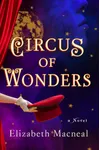
- Circus of Wonders (2021) – Set in England, 1866
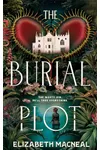
- The Burial Plot (2024) – Set in London, 1839
Deep Dive: The Standalone Novels
To help you decide which book to pick up next, here is a detailed breakdown of each of Elizabeth Macneal's standalone novels, focusing on their settings, themes, and what you can expect from the reading experience.
The Doll Factory (2019)
Set against the backdrop of London in 1850, as the city prepares for the grand opening of the Great Exhibition, The Doll Factory follows Iris, a young woman who spends her days painting doll faces alongside her sister, but dreams of becoming a real artist. When she is asked to model for Louis Frost, a painter in the Pre-Raphaelite Brotherhood, she agrees on the condition that he teaches her to paint. This decision frees her from her sister's shop but draws the attention of Silas Reed, a reclusive taxidermist obsessed with collecting oddities. When Silas's fascination with Iris turns into a dark, obsessive fixation, the novel transforms into a tense gothic thriller.
Key Themes: Obsession, artistic ambition, female autonomy, and the objectification of women in the Victorian art world. The book contrasts the public splendor of the Great Exhibition with the dark, unsanitary, and dangerous realities of London's backstreets.
Best For: Readers who love gothic suspense, art history, and stories about women defying societal constraints. It is highly atmospheric and ideal for fans of authors like Laura Purcell and Sarah Waters.
Circus of Wonders (2021)
Moving forward to 1866, Macneal’s second novel transports readers to a coastal English village and then into the heart of a Victorian traveling freak show. Nell is a young woman whose skin is covered in birthmarks, making her an outcast in her local community. When her father sells her to Jasper Jupiter’s Circus of Wonders, Nell expects a life of misery. Instead, she finds herself transformed into the "Leopard Queen," the star attraction of the show. As Nell gains fame, she also finds a sense of power and community among the other performers, but she must navigate the dangerous ego and ownership claims of the showman, Jasper, and his brother Toby.
Key Themes: Fame, exploitation, belonging, and the ethics of showmanship. It explores how society turns human differences into spectacles and examines the fragile boundary between being celebrated and being owned.
Best For: Anyone interested in the history of Victorian entertainment and circus culture. It is a slightly lighter and more colorful novel than her debut, though it still carries a strong undercurrent of psychological tension and dark ambition.
The Burial Plot (2024)
Set in London in 1839, The Burial Plot goes back in time chronologically to the early Victorian era, during a period of massive expansion for London's cemetery network. The story revolves around Bonnie and Crawford, two grifters surviving on the streets of London through trickery and small-scale scams. When a con goes wrong, they escape to a grand villa in South London, where Bonnie secures a position as a maid to a grieving widow. Crawford joins her, and together they hatch a dangerous plot to secure the widow's fortune. However, the gothic villa holds its own dark secrets, and the plotters soon find themselves caught in a web of murder, betrayal, and dark obsession.
Key Themes: Class struggles, grief, trickery, and the commodification of death in Victorian society. The novel explores how far marginalized individuals will go to survive, and how the secrets of the past can bury the living.
Best For: Fans of classic Victorian sensation novels, gaslight mysteries, and complex, morally gray characters. It is arguably Macneal's most gothic work, packed with suspense, rain-slicked gravestones, and eerie manor house dynamics.
Short Story Anthologies and Collaborative Works
In addition to her full-length novels, Elizabeth Macneal is a regular contributor to a series of highly successful seasonal gothic anthologies. These collections, published by Hodder & Stoughton, gather stories from leading voices in modern historical and gothic fiction. They are excellent companion reads if you want to sample Macneal's short-form writing alongside other great authors like Bridget Collins, Laura Purcell, and Imogen Hermes Gowar.
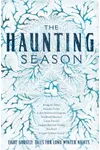
- The Haunting Season: Ghostly Tales for Long Winter Nights (2021): This anthology features Macneal's short story "Monster", a chilling tale that fits perfectly with the collection's theme of classic winter ghost stories.
- The Winter Spirits: Ghostly Tales for Frosty Nights (2023): In this second collection, Macneal contributed the story "Banished", offering another dose of atmospheric, cold-weather gothic fiction.
- The Witching Hour: Haunting Tales for Long Dark Nights (2025): The third volume in the series includes Macneal’s story "The Doll's House", returning to some of the uncanny and eerie themes that made her debut novel so popular.
What to Know Before You Start
Before you dive into Elizabeth Macneal's books, it is helpful to keep a few details in mind to enrich your reading experience:
- The Tactile Element: Macneal is an accomplished ceramicist and potter, running her own pottery studio in London. This background heavily influences her writing. Her descriptions are incredibly sensory and tactile—whether she is writing about the wet clay of a pot, the feathers of a stuffed bird, the canvas of a painting, or the cold stone of a gravestone, you can feel the textures of her worlds.
- Historical Grounding: Macneal does extensive historical research for her novels. The Pre-Raphaelite art movements, the history of taxidermy, the business of Victorian showmen, and the construction of 19th-century cemeteries are all portrayed with high historical accuracy, making her books highly educational as well as entertaining.
- Feminist Perspectives: While her books are set in a highly restrictive era for women, her protagonists are never passive victims. They struggle actively against their circumstances, fighting for their own art, fame, and safety.
- Cross-Media Adaptations: If you enjoy her writing, look for the six-part TV series adaptation of The Doll Factory, which aired on Paramount+ and Channel 5 in late 2023. It features Esme Creed-Miles as Iris and Eanna Hardwicke as Silas, staying true to the book’s tense, gothic atmosphere.