



The Recommended Reading Path
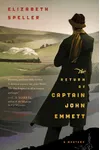
If you are new to Elizabeth Speller's work, the absolute best starting point is her acclaimed historical mystery debut, The Return of Captain John Emmett. This novel introduces her signature detective character, Laurence Bartram, and establishes the haunting, grief-stricken atmosphere of post-World War I England that defines her most popular fiction. Reading this first allows you to understand Laurence's personal trauma and emotional arc before moving on to the sequel.
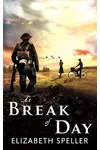
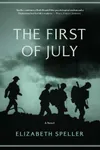
For readers who prefer epic, multi-perspective historical drama rather than direct detective mysteries, starting with her standalone war novel, At Break of Day (also published as The First of July), is an excellent alternative. It offers a broader look at the Great War through the eyes of four young men heading toward the Battle of the Somme.
The Laurence Bartram Mystery Series
Speller's primary contribution to historical mystery fiction is her Laurence Bartram series. Set in the immediate aftermath of the First World War, the series follows a war veteran who is physically and emotionally scarred by his experiences on the Western Front, as well as the tragic loss of his wife and newborn child. Through investigations of personal and local tragedies, Laurence slowly navigates his own path to recovery.
1. The Return of Captain John Emmett (2010)
Set in 1920, the novel begins when Laurence Bartram is approached by Mary Emmett, the sister of his former school friend John Emmett. John, a decorated captain who suffered from severe shell shock, has apparently committed suicide. Laurence begins looking into the circumstances surrounding John's final days, only to uncover a series of suspicious deaths among the men who served in Emmett's regiment. The novel is a poignant exploration of war trauma, institutional cover-ups, and the silent grief of a generation. It was selected as a Richard & Judy Summer Book Club pick and earned widespread critical praise for its historical accuracy and psychological depth.
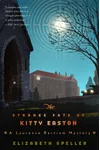
2. The Strange Fate of Kitty Easton (2011)
The second book in the series takes Laurence to the remote, mournful village of Easton Deadall in Gloucestershire in 1921. The village is preparing to construct a war memorial, but it remains haunted by a different tragedy: the unresolved disappearance of five-year-old Kitty Easton, who vanished from her bed in 1911. When a local stone mason is found dead and a figure from the past suddenly reappears, Laurence is drawn into a web of family secrets, lingering wartime resentments, and decade-old lies. The book further develops Laurence's investigative skills and his slow steps toward healing.
Standalone Historical Novels
Speller has written two standalone novels that span different eras, showcasing her versatility as a historian and novelist. Both works deal with themes of memory, secrets, and the weight of history on individual lives.
At Break of Day / The First of July (2013)
This tragic and sweeping historical novel was published as At Break of Day in the United Kingdom and under the title The First of July in the United States. The narrative follows four young men from completely different walks of life: Jean-Baptiste, a French farm boy; Frank, an idealistic English scholar; Benedict, a young man from a wealthy family; and Harry, a chimney sweep from London. Starting in the peaceful summer of 1913, the novel traces their lives, hopes, and secrets as they are inexorably drawn toward the tragic morning of July 1, 1916—the first day of the catastrophic Battle of the Somme. It is a powerful examination of class, destiny, and the human cost of conflict.
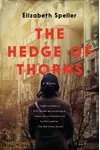
The Hedge of Thorns (2019)
Moving away from the First World War, this novel shifts focus to the tense, divided world of the Cold War. Set in 1968, the story follows Lucy Masterson, who arrives in West Berlin with her new husband. Surrounded by the concrete Wall and the claustrophobic atmosphere of a occupied city, Lucy is drawn into the local expatriate community. As she uncovers the secrets of those around her, she must also confront the hidden truths of her own past and the real reasons behind her journey to Berlin.
Non-Fiction and Memoirs
Before achieving success as a novelist, Speller established herself as an accomplished classicist, poet, and non-fiction writer. Her factual books offer fascinating historical context that complements her fictional settings.
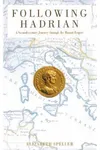
- Following Hadrian: A Second-Century Journey through the Mediterranean (2002): Part biography and part travelogue, this book traces the life and travels of the Roman Emperor Hadrian, offering a rich view of the Roman Empire at its height.
- Athens (2004) & Rome (2005): These works serve as evocative historical guides to two of the ancient world's greatest cities, blending historical analysis with vivid descriptions.
- The Sunlight on the Garden (2006): A deeply personal memoir in which Speller explores her family's complex history, focusing on themes of inheritance, eccentric relatives, and mental illness across generations.
What to Know Before You Start
Elizabeth Speller's novels are best appreciated by readers who enjoy slow-burn, atmospheric historical fiction rather than fast-paced thrillers. Her background as a poet and historian shines through in her meticulous attention to historical detail, rich prose style, and deep empathy for her characters. If you enjoy Jacqueline Winspear's Maisie Dobbs series or Charles Todd's Inspector Ian Rutledge mysteries, you will find a similar tone, setting, and thematic focus in Speller's Laurence Bartram books.