










How to Read Emilie Loring: The Recommended Starting Path
Because Emilie Loring's novels are strictly standalones rather than interconnected series, you do not need to follow a rigid sequence to enjoy her work. However, her books showcase a distinct evolution in tone, historical context, and writing style. For the best experience, we recommend beginning with her most celebrated classics or starting at the very beginning to trace her growth as a writer.
The Best Starting Points
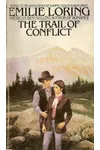
- The Debut: The Trail of Conflict (1922). This is Loring's first novel, published when she was 56. It introduces her signature style: a wholesome romance set against a backdrop of societal expectations, family duty, and emotional resilience.
- The Fan Favorites: Fair Tomorrow (1931) and With Banners (1934). These books represent the peak of her solo career, showcasing independent, spirited heroines, light suspense, and beautiful descriptions of New England.
- The Mystery Romance: A Key to Many Doors (1967). Though published posthumously, this remains one of the most popular and tightly plotted romance-mysteries associated with her name.
The Era-by-Era Breakdown
To help you navigate her extensive bibliography, Loring's work can be grouped into three distinct eras. Reading chronologically within these eras is a popular approach for long-time fans.
1. The Early Years (1922–1930)
In this period, Loring established her voice. These novels feature cozy New England settings, independent young women, and conflicts resolved through honor and communication. Key titles include Here Comes the Sun! (1924) and Swift Water (1929).
2. The Golden & Wartime Era (1931–1946)
This era contains some of Loring's strongest and most patriotic work. Written during the Great Depression and World War II, these books feature themes of civic duty, wartime sacrifice, and courage. Heroines in books like Rainbow At Dusk (1942) and Keeper of the Faith (1944) balance personal romance with patriotism.
3. The Post-War & Posthumous "Ghosties" Era (1947–1975)
Loring passed away in 1951, but her estate continued to publish books under her name for more than two decades. Fans and biographers refer to these 20 posthumous novels as the "Ghosties." These books were ghostwritten—primarily by prolific mystery and romance author Elinore Denniston (who also wrote as Rae Foley)—using Loring's extensive outlines, unfinished manuscripts, and notes. While they retain Loring's wholesome tone, they carry a slightly more modern, mid-century suspense style.
Complete List of Emilie Loring Books in Publication Order
Here is the complete catalog of Emilie Loring's novels, reflecting their original release years. Since they are standalones, feel free to dive into whichever plot details appeal to you most:
- The Trail of Conflict (1922)
- Here Comes the Sun! (1924)
- A Certain Crossroad (1925)
- The Solitary Horseman (1927)
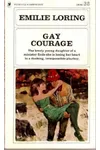
- Gay Courage (1928)
- Swift Water (1929)
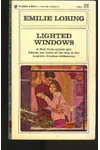
- Lighted Windows (1930)
- Fair Tomorrow (1931)
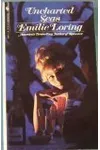
- Uncharted Seas (1932)
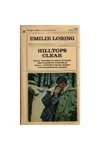
- Hilltops Clear (1933)
- We Ride the Gale! (1934)
- With Banners (1934)
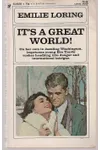
- It's a Great World (1935)
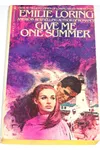
- Give Me One Summer (1936)
- As Long As I Live (1937)
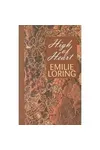
- High of Heart (1938)
- Today is Yours (1938)
- Across the Years (1939)
- Behind the Cloud (1940)
- There Is Always Love (1940)
- Stars in Your Eyes (1941)
- Where Beauty Dwells (1941)
- Rainbow At Dusk (1942)
- When Hearts Are Light Again (1943)
- Keeper of the Faith (1944)
- Beyond the Sound of Guns (1945)
- Bright Skies (1946)
- Beckoning Trails (1947)
- To Love and to Honor (1950)
- For All Your Life (1952) — First posthumous novel
- My Dearest Love (1954)
- I Take This Man (1954)
- The Shadow of Suspicion (1955)
- With This Ring (1955)
- What Then is Love (1956)
- Look to the Stars (also published as Scott Pelham's Princess) (1957)
- How Can the Heart Forget (1960)
- Throw Wide the Door (1961)
- Follow Your Heart (1963)
- A Candle in Her Heart (1967)
- A Key to Many Doors (1967)
- No Time for Love (1970)
- Spring Always Comes (1971)
- In Times Like These (1971)
- Forever and a Day (1972)
- Love With Honor (1972)
- Forsaking all Others (1973)
- The Shining Years (1974)
- I Hear Adventure Calling (1975)
- Love Came Laughing By (1975)
What to Know Before You Start
Loring's stories are often described as "clean" or "wholesome" romance, focusing heavily on moral integrity, family loyalty, and optimistic outlooks. She frequently set her books in real New England locations, detailing the local architecture, fashion, and natural landscapes with great precision. If you enjoy cozy atmosphere, light mystery, and classic American values from the early-to-mid 20th century, Loring's books are the perfect vintage escape.