




How to Start Reading Emily Gould
Emily Gould is a contemporary American novelist, essayist, and publisher whose work captures the complex dynamics of female friendships, artistic ambitions, and the raw realities of living in New York City. Because she writes standalone works of fiction and autobiographical non-fiction rather than interconnected series, there is no single mandatory path to follow. However, for the best experience, we recommend starting with her breakout adult fiction before diving into her personal essays and early collaborations.
Here is our recommended starting order:
- Friendship (2014): Start here. It is Gould's debut adult novel and serves as the perfect introduction to her sharp, conversational prose and her signature themes of female friendship, career anxieties, and city life.
- Perfect Tunes (2020): Follow up with her second novel, which offers a deeper, more mature exploration of motherhood, grief, musical ambition, and the passage of time.
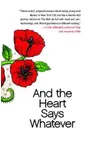
- And the Heart Says Whatever (2010): Transition to non-fiction with this candid essay collection that details her twenties, blogging culture, and the publishing world.
- Hex Education (2007): Read this collaborative young-adult debut next if you want to see her early writing style.
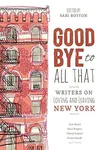
- Anthologies (2013): Wrap up with her short-form contributions in Goodbye to All That and the n+1 collection Bad Romance.
Publication Order of Standalone Novels
If you prefer to see how Gould's voice developed over time, reading her novels in the order they were published is a highly rewarding approach. This progression highlights her growth from co-authoring young adult fiction to writing deeply introspective adult novels.
- Hex Education (2007): Co-authored with Zareen Jaffery, this young adult novel follows three girls navigating high school, friendship, and family issues. It features a lighter, more commercial tone than her later, more introspective solo work.
- Friendship (2014): Gould's solo debut novel. It focuses on the evolving bond between two best friends, Bev and Amy, as they navigate their early thirties in New York City, dealing with financial instability, career disappointments, and unexpected life turns.
- Perfect Tunes (2020): Her second novel centers on Laura, an aspiring singer-songwriter in early-2000s New York, and later shifts focus to her daughter, Marie. It is a dual-perspective narrative examining the sacrifices made for motherhood and art.
Publication Order of Essays and Non-Fiction
Gould first built a significant online presence through blogging and editor positions. Her non-fiction works capture the early-2000s internet zeitgeist and the transition into literary success.
- And the Heart Says Whatever (2010): A collection of personal essays exploring her childhood, early career in publishing, high-profile blogging jobs, and personal relationships. The collection is celebrated for its vulnerability and sharp humor.
Anthologies and Editorial Contributions
Beyond her solo books, Gould has contributed to notable collections that explore relationships and life in New York:
- Bad Romance (2013): A collection published by n+1 as an ebook, featuring her widely discussed essay/review of Cristina Nehring's work along with writing from other contributors.
- Goodbye to All That: Writers on Loving and Leaving New York (2013): Edited by Sari Botton, this anthology features essays from various writers (including Gould) reflecting on their relationship with New York City, inspired by Joan Didion's classic essay.
What to Know Before You Start
Emily Gould's writing style is heavily influenced by her years as a prominent blogger (including a stint at Gawker) and her experience in the New York publishing scene. Her fiction often draws inspiration from real-life elements of digital media, writing, and creative spaces in Brooklyn and Manhattan. If you enjoy character-driven stories with sharp social commentary, realistic dialogue, and a strong sense of place, her books will resonate with you. Readers should note that her characters are deliberately flawed and sometimes make frustrating choices, reflecting the messiness of real-life relationships.