




Recommended Reading Paths: Where to Start with E.V. Thompson
If you are looking to lose yourself in the wild, windswept landscapes of 19th-century Cornwall, E.V. Thompson is the perfect guide. With a bibliography spanning over forty novels, his work offers a rich tapestry of history, romance, and industrial struggle. However, approaching such a massive collection of books can feel daunting. Depending on your reading style, there are two primary ways to explore his most famous series, the Retallick Saga.
Option 1: Publication Order (The Recommended Choice)
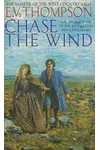
For most readers, we highly recommend following E.V. Thompson's books in publication order. This path allows you to experience the author's growth as a storyteller and mirrors how his original audience fell in love with his characters. In this order, the Retallick Saga begins with Chase the Wind (1977), which introduces Josh Retallick and Miriam. By starting here, you get the core emotional foundation of the series before diving into the prequels and generation-spanning sequels.
Option 2: Chronological Order (For Saga Purists)
If you prefer to follow the Retallick family history in strict chronological sequence, you will need to jump around the publication timeline. This approach places Ben Retallick (published third in 1980) at the very beginning of your journey, as it acts as a prequel focused on Josh's father. While this gives a complete linear history of the family, some readers feel that the narrative flow is smoother when starting with the first published book.
What to Know Before You Start
Before you dive in, there are a few important elements to keep in mind about E.V. Thompson's literary universe:
- The Cornwall Connection: Almost all of Thompson's novels are set against the rugged backdrop of Cornwall. He lived in a stone miner's cottage in Sharptor, and his deep affection for the region's mining, fishing, and farming communities shines through on every page.
- Historical Authenticity: Drawing on his own varied life experiences—from serving in the Royal Navy to working as a policeman—Thompson was famous for his meticulous research. He didn't just write romances; he detailed the real social struggles, unionization efforts, and hardships of the working class.
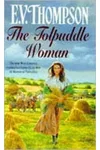
- Standalone Readability: While the series books benefit from being read in order, many of Thompson's standalone novels offer excellent entry points. Books like The Tolpuddle Woman (1994) or The Blue Dress Girl (1992) capture his signature historical depth in self-contained narratives.
E.V. Thompson's Major Series and Collections
Thompson's work is organized around three primary series, alongside a vast selection of standalone books, non-fiction guides, and short story collections.
1. The Retallick Saga
This is E.V. Thompson's masterpiece. Spanning nine novels, it traces the lives, trials, and travels of the Retallick family from the early 19th century through the end of the Second World War. The series shifts settings between the mining country of Bodmin Moor and the battlefields of South Africa and Zimbabwe.
To follow the family timeline chronologically, use this order:
- Ben Retallick (1980) – Follows Josh's father Ben in the early 1800s.
- Chase the Wind (1977) – The debut novel, focusing on Josh Retallick and Miriam on Bodmin Moor in the 1850s.
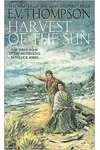
- Harvest of the Sun (1978) – Follows Josh and Miriam to South Africa in the 1860s.
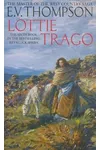
- Lottie Trago (1991) – Follows the family's return to Cornwall in 1864 and introduces Miriam's niece, Lottie.
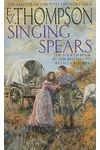
- Singing Spears (1982) – Follows Josh's son Daniel in Matabeleland (Zimbabwe) during the 1880s.
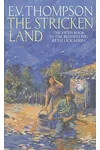
- The Stricken Land (1985) – Set during the Second Anglo-Boer War (1899–1902) in South Africa.
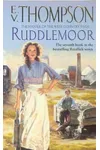
- Ruddlemoor (1995) – Takes the family back to Cornwall at the turn of the 20th century.
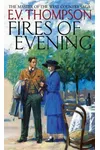
- Fires of Evening (1999) – Explores the family's trials during the First World War.
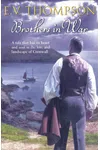
- Brothers in War (2006) – The final installment, following the family during World War II.
2. The Jagos of Cornwall
This three-book series offers a lighter, yet equally dramatic, family saga set in the coastal communities of Cornwall. It follows Nathan Jago, a former prizefighter who decides to use his winnings to establish a fishing trade, dealing with shipwreck rescues and French royalist intrigue along the way.
The recommended reading order is the publication order:
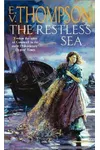
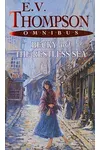
- The Restless Sea (1983)
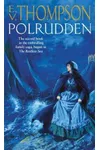
- Polrudden (1985)
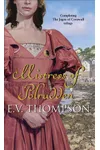
- Mistress of Polrudden (1993)
3. The Amos Hawke Mysteries
For readers who enjoy a blend of historical fiction and classic detective mystery, the Amos Hawke series is a perfect fit. It features a Cornish detective working for Scotland Yard who is frequently called back to his home territory to investigate dark crimes and family secrets.
The trilogy must be read in order:
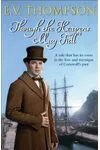
- Though the Heavens May Fall (2007)
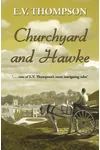
- Churchyard and Hawke (2009)
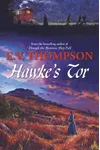
- Hawke's Tor (2011)
4. Standalone Novels and Non-Fiction
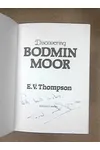
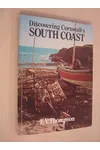
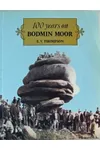
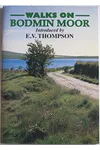
If you want a break from multi-generational sagas, Thompson wrote dozens of standalone novels. Notable highlights include The Blue Dress Girl (1992), which takes the reader to Hong Kong to explore the opium trade, and The Tolpuddle Woman (1994), which tackles social injustice and the birth of trade unionism. He also wrote several beautiful non-fiction books exploring the history and walking paths of his beloved Bodmin Moor and Cornwall.
Reading Order Caveats and Common Disagreements
When compiling E.V. Thompson's reading orders, the most common source of confusion is the Retallick Saga's timeline. Because Thompson did not write the books in chronological sequence, reading them in order of publication creates a massive jump in time and location.
Specifically, Singing Spears (published in 1982) is set in the 1880s in Africa, whereas Lottie Trago (published later in 1991) is set earlier in 1864 back in Cornwall. If you read by publication order, you will leap forward to the 1880s with Josh's son Daniel, and then jump back in time to 1864 to see Josh and Miriam returning to Cornwall. For this reason, many readers prefer the chronological order to keep the timeline consistent, while others find that the shifting publication order keeps the mysteries of the family's past alive. Both approaches are valid, but knowing this ahead of time will prevent any confusion as you turn the pages.
Additionally, fans should note that Thompson occasionally used the pseudonym James Munro, most notably for his 1991 historical epic Homeland. While not connected to the Cornish series, it represents a key piece of his broader literary output for completists to seek out.