






















Flannery O’Connor Books in Order

  • 61 Books
  • 1952 – 2019 Published

Amazon links here are affiliate links. As an Amazon Associate I earn from qualifying purchases.

Reading order
02
The Inner Room
The Inner Room
1968 By: Robert Aickman
03
Daughters of Passion
1982 By: Julia O'Faolain
04
Giacomo Joyce
Giacomo Joyce
1983 By: Richard Ellmann
05
Homeland
Homeland
1989 By: Barbara Kingsolver
06
Shanti
Shanti
1997 By: Vikram Chandra
08
An Elegy for Easterly
2009 By: Petina Gappah
09
10
11
Mrs Fox
Mrs Fox
2014 By: Sarah Hall
12
Mostly Hero
Mostly Hero
2014 By: Anna Burns
13
Mr Salary
Mr Salary
2016 By: Sally Rooney
14
Come Rain or Come Shine
2019 By: Kazuo Ishiguro
15
The Victim
The Victim
2019 By: P.D. James
16
Dante and the Lobster
2019 By: Samuel Beckett
17
Paradise
Paradise
2019 By: Edna O'Brien
18
Cosmopolitan
Cosmopolitan
2019 By: Akhil Sharma
19
The Lydia Steptoe Stories
2019 By: Djuna Barnes
01
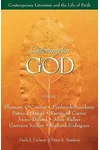
Listening for God Reader, Vol. 1
1994 With: Raymond Carver, Alice Walker, Garrison Keillor, Annie Dillard, Richard Rodríguez, Patricia Hampl, Peter Hawkins, Frederick Buechner, Paula J. Carlson, Peter S. Hawkins
02
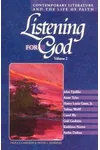
Listening for God, Vol. 2
1996 By: Anne Tyler, John Updike, Tobias Wolff, Gail Godwin, Henry Louis Gates Jr., Kathleen Norris, Paula J. Carlson, Peter S. Hawkins, Carol Bly, Andrew Dubus
03
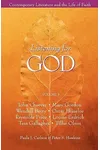
Listening for God, Vol. 3
2000 By: Tillie Olsen, Wendell Berry, John Cheever, Louise Erdrich, Mary Gordon, Tess Gallagher, Reynolds Price, Oscar Hijuelos, Paula J. Carlson, Peter S. Hawkins
04
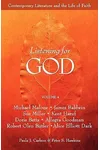
Listening For God, Vol. 4
2002 By: Robert Olen Butler, Allegra Goodman, James Baldwin, Kent Haruf, SueMiller, Doris Betts, Paula J. Carlson, Peter S. Hawkins, MichaelMalone, Alice Elliot Dark
6 of 6 reading orders shown

Picture a Southern storyteller who wove tales of faith, flaws, and the grotesque with a sharp, unforgettable pen—meet Flannery O’Connor! Born in Savannah, Georgia, in 1925, O’Connor crafted stories that blend dark humor with profound moral questions, earning her a lasting spot in American literature. Despite a life cut short by lupus at 39, her Southern Gothic masterpieces continue to captivate readers.

The Making of Flannery O’Connor

Growing up in the Catholic South, Flannery O’Connor was shaped by her faith and her Georgian roots. She moved to Milledgeville, Georgia, as a teen, where peacocks roamed her family farm—a quirky detail that later inspired her vivid imagery. After studying at Georgia State College for Women, she honed her craft at the Iowa Writers’ Workshop, where her talent for stark, soulful storytelling began to shine.

Flannery O’Connor’s Unforgettable Stories

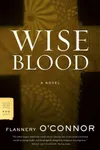
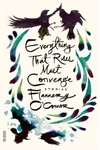
O’Connor’s stories are a wild ride through the human condition, blending the grotesque with the divine. Her first novel, Wise Blood (1952), follows a tormented preacher, Hazel Motes, in a darkly comic quest for meaning. Her short story collection, A Good Man Is Hard to Find (1955), features the chilling title story, where a family’s road trip ends in a confrontation with a fugitive called The Misfit. Everything That Rises Must Converge (1965), published posthumously, explores race, class, and redemption with piercing insight. O’Connor’s style—marked by vivid characters, sharp dialogue, and moral complexity—makes her work both unsettling and profound.

Her Southern Gothic lens often magnified the absurdities of human behavior, using flawed characters to probe big questions about grace and salvation. Critics praise her ability to balance humor and horror, creating stories that linger long after the final page.

Why Flannery O’Connor Matters

Flannery O’Connor’s influence stretches far beyond her brief career. Her fearless exploration of faith and morality resonates with readers and writers alike, earning her the National Book Award for Fiction in 1972 for her collected works. Her stories inspire modern authors like Cormac McCarthy and Toni Morrison, who share her knack for confronting life’s darker truths. O’Connor’s legacy endures in classrooms, book clubs, and literary circles, where her work sparks lively debates about humanity’s struggles.

    About Flannery O’Connor
  • Born: March 25, 1925, Savannah, Georgia
  • Key Works: Wise Blood, A Good Man Is Hard to Find, Everything That Rises Must Converge
  • Awards: National Book Award (1972, posthumous)
  • Died: August 3, 1964, from lupus

Call to Action: Snag A Good Man Is Hard to Find and dive into Flannery O’Connor’s haunting Southern Gothic world—her stories will leave you laughing, gasping, and thinking!

Frequently Asked

Who was Flannery O’Connor?

Flannery O’Connor (1925–1964) was an American author known for her Southern Gothic stories. Blending dark humor, faith, and the grotesque, her works like Wise Blood and A Good Man Is Hard to Find explore human flaws and morality, earning her lasting acclaim.

What are Flannery O’Connor’s best books?

Flannery O’Connor’s top works include Wise Blood (1952), a darkly comic novel; A Good Man Is Hard to Find (1955), a gripping short story collection; and Everything That Rises Must Converge (1965), a posthumous masterpiece of Southern Gothic.

What inspired Flannery O’Connor’s writing?

Flannery O’Connor drew inspiration from her Catholic faith, Southern upbringing, and Georgia’s rural landscapes. Her stories reflect her fascination with human imperfection, grace, and the clash between the mundane and the divine, often infused with her sharp wit.

Why is Flannery O’Connor’s style called Southern Gothic?

Flannery O’Connor’s Southern Gothic style mixes dark humor, grotesque characters, and moral dilemmas set in the American South. Her stories, like A Good Man Is Hard to Find, use eerie settings and flawed protagonists to explore faith and human nature.

What awards did Flannery O’Connor win?

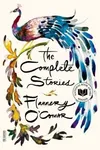
Flannery O’Connor won the National Book Award for Fiction in 1972, posthumously, for her The Complete Stories. Her work also received critical praise during her lifetime, cementing her as a literary icon.