




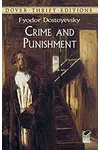
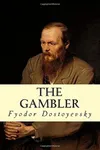




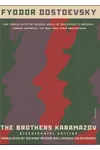



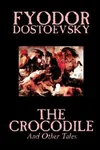
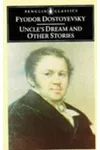











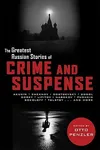



Picture a Russian storyteller who peered into the depths of the human soul—meet Fyodor Dostoevsky! Born in 1821, this literary giant crafted novels like Crime and Punishment that wrestle with morality, free will, and redemption. His gripping tales, born from a life of hardship, continue to captivate readers worldwide.
Dostoevsky’s knack for blending psychological drama with philosophical musings set him apart. From surviving a mock execution to enduring Siberian exile, his life was as intense as his stories. Ready to dive into the world of a man who turned suffering into art?
The Making of Fyodor Dostoevsky
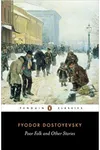
Born in Moscow to a strict doctor father, Fyodor Dostoevsky grew up surrounded by literature and tragedy. His mother’s death and his father’s murder shaped his early years, fueling his fascination with human struggle. After studying engineering, he ditched it for writing, publishing his first novel, Poor Folk, in 1846. It was a hit, but his involvement with a radical group led to his arrest, a death sentence, and a last-second reprieve—talk about a plot twist!
Exiled to Siberia for four years, Dostoevsky endured hard labor and epilepsy, experiences that sharpened his insight into suffering and redemption. These trials didn’t break him; they forged a writer who could unravel the human psyche like no other.
Fyodor Dostoevsky’s Unforgettable Stories
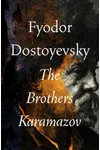
Dostoevsky’s novels are like a deep dive into the mind’s messiest corners. Crime and Punishment (1866) follows Raskolnikov, a broke student who commits murder and grapples with guilt. It’s a psychological thriller that questions whether the ends justify the means. Then there’s The Brothers Karamazov (1880), a sprawling tale of faith, doubt, and family feuds that’s often called his masterpiece.
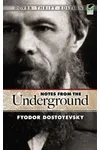
His style? Intense, introspective, and packed with moral dilemmas. Dostoevsky didn’t shy away from big questions: What drives us to sin? Can we find redemption? His characters, flawed and complex, feel like real people wrestling with their demons. Works like The Idiot (1869), exploring innocence in a corrupt world, and Notes from Underground (1864), a raw rant against rationalism, showcase his range.
He wove his own struggles—poverty, gambling, faith—into his stories, making them timeless. Whether it’s Raskolnikov’s torment or Ivan Karamazov’s rebellion against God, Dostoevsky’s themes of free will and morality still hit hard.
Why Fyodor Dostoevsky Matters
Dostoevsky didn’t just write books; he reshaped literature. His psychological depth inspired writers like Kafka, Camus, and even modern novelists. His exploration of existential themes laid groundwork for philosophy and psychology, influencing thinkers like Nietzsche and Freud. In Russia, his work fueled debates about faith and society, and globally, his stories still resonate with anyone pondering life’s big questions.
His legacy endures in classrooms, book clubs, and adaptations—films, plays, you name it. Dostoevsky’s ability to make us confront our own choices and beliefs keeps him relevant, whether you’re a scholar or just love a good story.
About Fyodor Dostoevsky
- Born: November 11, 1821, Moscow, Russia
- Key Works: Crime and Punishment, The Brothers Karamazov, The Idiot
- Died: February 9, 1881, St. Petersburg, Russia
- Fun Fact: He was an avid gambler, which inspired parts of his novel The Gambler.
Snag Crime and Punishment or The Brothers Karamazov and dive into Dostoevsky’s thrilling world of ideas and emotions!