


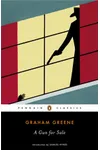

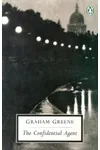
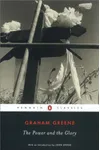
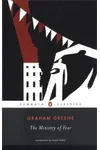


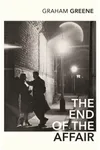
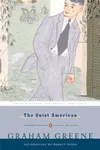



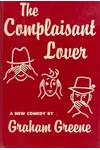
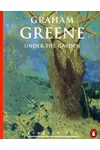
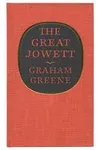


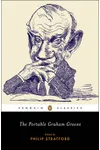


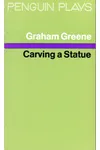

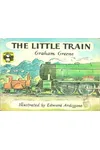

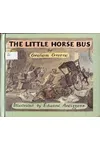
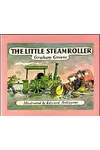




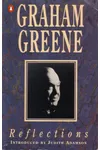

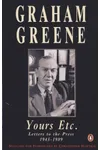
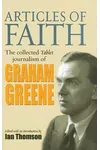




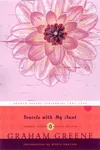












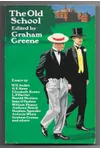


Picture an English storyteller who spun tales of moral intrigue and political drama, all with a Catholic twist—meet Graham Greene! Born in 1904, this literary giant crafted 25 novels over a 67-year career, blending thrilling narratives with deep emotional resonance. His works, like The Quiet American and The End of the Affair, earned him a Nobel Prize nomination and a lasting spot among the 20th century’s greatest writers.
Greene’s life was as complex as his stories. His struggles with depression and tangled relationships fueled his morally ambiguous characters, making his novels both gripping and thought-provoking. Ready to dive into the world of a master storyteller? Let’s explore Greene’s journey!
The Making of Graham Greene
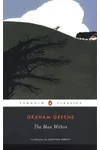
Born on October 2, 1904, in Berkhamsted, England, Henry Graham Greene grew up in a well-off family, the fourth of six children. His father was a headmaster, and young Graham was a shy, sensitive soul who battled depression early on. At Oxford’s Balliol College, he studied modern history but found his true calling in writing. After a brief stint as a journalist at The Times, Greene published his first novel, The Man Within, in 1929, kicking off a prolific career.
Greene’s conversion to Catholicism in 1926 profoundly shaped his worldview. His faith, combined with his fascination with global politics and human flaws, set the stage for stories that didn’t shy away from life’s messier truths. From these roots, a literary legend was born.
Graham Greene’s Unforgettable Stories
Greene’s novels are a masterclass in blending literary depth with page-turning suspense. His 1955 classic, The Quiet American, explores love and betrayal against the backdrop of the Vietnam War, with its naive protagonist Pyle embodying the dangers of idealism. The End of the Affair (1951) is a heart-wrenching tale of love, faith, and sacrifice, inspired by Greene’s own romantic struggles. Meanwhile, Brighton Rock (1938) dives into the gritty underworld of a young gangster, Pinkie, wrestling with sin and redemption.
His style? Sharp, cinematic, and layered with moral complexity. Greene had a knack for crafting flawed characters who grappled with faith, loyalty, and power in exotic settings like Havana or Saigon. He also wrote lighter “entertainments” like Our Man in Havana (1958), a witty spy satire that still packed a punch. Whether exploring war, love, or espionage, Greene’s stories resonate with universal human struggles.
Greene wasn’t just a novelist. He wrote plays, short stories, and screenplays, including the iconic film The Third Man (1949). His ability to cross genres while keeping his signature depth made him a versatile force in literature.
Why Graham Greene Matters
Graham Greene’s impact transcends his era. His novels tackled timeless themes—faith, morality, and the human condition—while addressing real-world issues like colonialism and war. His Catholic perspective added a unique lens, making his work both personal and universal. Writers like John le Carré and Ian McEwan owe a debt to Greene’s morally nuanced storytelling.
Today, Greene’s books remain beloved for their emotional depth and thrilling plots. His ability to humanize flawed characters keeps readers coming back, proving that great stories never fade. From university syllabi to book club picks, Greene’s legacy endures as a beacon of literary excellence.
About Graham Greene
- Birth: October 2, 1904, Berkhamsted, England
- Key Works: The Quiet American, The End of the Affair, Brighton Rock, Our Man in Havana
- Awards: Nobel Prize nominee, Hawthornden Prize (1941), Shakespeare Prize (1968)
- Died: April 3, 1991, Vevey, Switzerland
Snag The Quiet American or The End of the Affair and dive into Graham Greene’s thrilling, soul-stirring world. Trust us, you won’t put it down!