







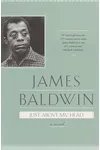









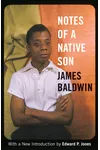
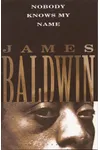
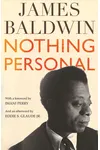















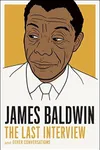

























Picture a Harlem-born wordsmith whose pen sparked revolutions and stirred souls—meet James Baldwin! Born in 1924, this African American author, essayist, and poet tackled race, sexuality, and class with fearless honesty, weaving stories and ideas that became beacons of the Civil Rights Movement. His works, like Go Tell It on the Mountain and The Fire Next Time, invite readers to confront hard truths and dream of a fairer world.
The Making of James Baldwin
James Baldwin grew up in Harlem, New York, the eldest of nine children in a strict, religious household. His stepfather, a preacher, shaped his early life, infusing it with the rhythms of gospel and the weight of expectation. Baldwin found solace in books, devouring classics at the local library. By his teens, he was preaching sermons, but his heart leaned toward writing. After high school, he moved to Greenwich Village, where he began penning essays and stories, fueled by the vibrant literary scene and his own restless curiosity.
Baldwin’s early career wasn’t easy—poverty and prejudice loomed large. In 1948, seeking freedom from America’s racial constraints, he moved to Paris. There, he found his voice, blending raw emotion with sharp intellect. His time abroad sharpened his perspective, setting the stage for a career that would challenge and change the world.
James Baldwin’s Unforgettable Works
Baldwin’s writing is a masterclass in courage and clarity, blending lyrical prose with unflinching social critique. His debut novel, Go Tell It on the Mountain (1953), is a semi-autobiographical tale of a Harlem teenager grappling with faith, family, and identity. Its vivid characters and rhythmic prose capture the pulse of African American life.
In The Fire Next Time (1963), Baldwin delivers two powerful essays—one a letter to his nephew—that confront America’s racial divide with searing honesty. It’s a call to action that resonates as much today as it did during the Civil Rights era. Giovanni’s Room (1956), a groundbreaking novel, explores love and sexuality through the story of an American man in Paris entangled in a same-sex relationship. Its tender, taboo-breaking narrative was ahead of its time.
Baldwin’s style is intimate yet universal, weaving personal stories with broader truths. Whether through novels, essays, or poetry, he tackled themes of identity, justice, and human connection, always urging readers to see the world through others’ eyes.
Why James Baldwin Matters
Baldwin’s impact is immeasurable. His works were more than stories—they were rallying cries for the Civil Rights Movement, inspiring activists and artists alike. He gave voice to the marginalized, challenging America to live up to its ideals. His fearless exploration of race, sexuality, and class opened doors for future writers, from Toni Morrison to Ta-Nehisi Coates.
Today, Baldwin’s words remain vital, sparking conversations about equality and empathy. His ability to blend personal and political continues to inspire readers to question, reflect, and act. In a world still wrestling with division, Baldwin’s legacy is a reminder that stories can change hearts and history.
About James Baldwin
- Born: August 2, 1924, in Harlem, New York
- Key Works: Go Tell It on the Mountain, The Fire Next Time, Giovanni’s Room
- Notable Awards: Guggenheim Fellowship, National Conference of Christians and Jews Brotherhood Award
- Died: December 1, 1987, in Saint-Paul-de-Vence, France
Ready to dive into Baldwin’s world? Grab The Fire Next Time and discover why his words still set hearts ablaze!