
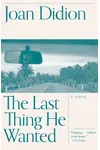

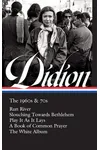
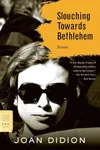

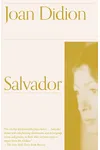
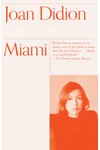
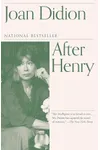



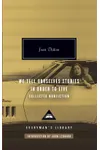
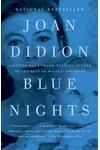

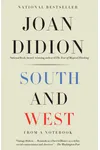
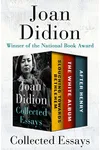
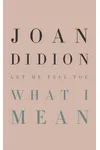



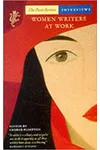
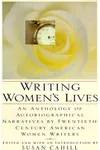
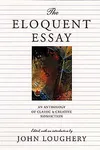


Picture a California-born writer whose sharp prose captured the chaos of the 1960s—meet Joan Didion! With her incisive journalism and haunting novels, Didion turned personal and cultural turmoil into literary gold. Her groundbreaking work in creative nonfiction, like Slouching Towards Bethlehem, redefined storytelling and cemented her as a literary icon.
Born in 1934, Didion’s keen eye for detail and unflinching honesty made her a voice for generations. From New York’s literary scene to Hollywood’s underbelly, her words still resonate. Ready to dive into her world?
The Making of Joan Didion
Joan Didion was born in Sacramento, California, in 1934, into a family with deep roots in the state’s history. As a shy, bookish child, she found solace in writing, penning stories by age five. After studying English at UC Berkeley, she won a Vogue essay contest in 1956, landing a job at the magazine. This New York chapter honed her precision and style, setting the stage for her literary rise.
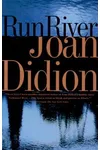
Her early career blended journalism and fiction, with her first novel, Run River (1963), drawing on her California heritage. Collaborating with her husband, John Gregory Dunne, she also wrote screenplays, balancing literary and Hollywood worlds. These formative years shaped her signature voice—cool, observant, and piercing.
Joan Didion’s Unforgettable Stories
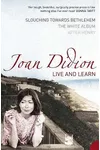
Didion’s breakthrough came with Slouching Towards Bethlehem (1968), a collection of essays that captured the counterculture’s dreams and disillusionment. From Haight-Ashbury’s hippies to Hollywood’s elite, her vivid reportage blended detachment with intimacy, revolutionizing journalism. The title essay, inspired by Yeats, remains a cultural touchstone.
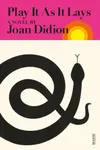
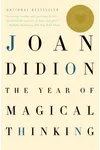
Her novel Play It as It Lays (1970) is a stark, cinematic portrait of existential despair, following actress Maria Wyeth through Los Angeles’ moral void. The White Album (1979) continued her nonfiction mastery, weaving personal and societal fragments, from the Manson murders to her own nervous breakdown. Later, The Year of Magical Thinking (2005), a raw memoir of grief after Dunne’s death, won the National Book Award, showcasing her ability to transform loss into universal truth.
Didion’s style—spare, rhythmic, and unflinchingly honest—blends journalism with literary finesse. Her themes of fragmentation, identity, and American decline resonate across decades, making her work timeless.
Why Joan Didion Matters
Joan Didion’s impact on creative nonfiction is monumental. By blending journalism with personal narrative, she pioneered the New Journalism movement alongside writers like Tom Wolfe. Her work inspired countless authors, from Susan Orlean to Jia Tolentino, to embrace vulnerability and precision. Beyond craft, Didion’s fearless exploration of gender, grief, and societal upheaval gave voice to the marginalized and the heartbroken.
Her legacy endures in classrooms, book clubs, and readers seeking truth in chaos. Even after her passing in 2021, Didion’s prose remains a guide for navigating a fractured world, proving her relevance is far from fading.
About Joan Didion
- Born: December 5, 1934, Sacramento, California
- Key Works: Slouching Towards Bethlehem, Play It as It Lays, The Year of Magical Thinking
- Awards: National Book Award (2005), National Medal of Arts (2012)
- Died: December 23, 2021
Snag Slouching Towards Bethlehem and dive into Joan Didion’s mesmerizing world of sharp prose and raw truth!