

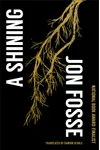
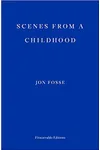
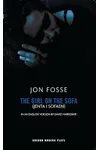
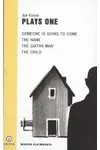
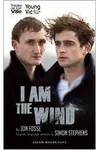






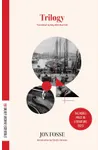



Picture a Norwegian storyteller whose words weave silence into poetry—meet Jon Fosse, the 2023 Nobel Prize winner who’s been giving voice to the unsayable for decades! Born in 1959 on Norway’s rugged west coast, Fosse crafts minimalist plays and prose that pulse with human emotion, earning him global acclaim as one of the most performed playwrights after Henrik Ibsen. His lyrical style, rooted in the rare Nynorsk language, captures life’s deepest questions with a serene, almost mystical touch.
From haunting novels to sparse, evocative dramas, Fosse’s work invites readers into a world where silence speaks louder than words. Ready to dive into his hypnotic universe? Let’s explore the man, his stories, and why he’s a literary giant.
The Making of Jon Fosse
Jon Olav Fosse was born in Haugesund, Norway, and raised in the small village of Strandebarm, surrounded by fjords and farms. A near-fatal accident at age seven, where he slashed an artery and saw a shimmering light, left a profound mark, shaping his spiritual lens. Raised in a Quaker and Pietist family, Fosse rebelled as a teen, embracing communism, anarchism, and dreams of rock stardom. But writing called louder. By 12, he was penning stories, and after studying literature at the University of Bergen, his 1983 debut novel, Red, Black, launched a prolific career.
Jon Fosse’s Unforgettable Stories
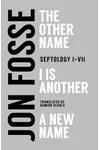
Fosse’s work spans over 40 plays, 30 novels, poetry, essays, and children’s books, all marked by a minimalist style dubbed “Fosse minimalism.” His plays, like Someone Is Going to Come (1996), simmer with tension and unspoken fears, drawing comparisons to Samuel Beckett. His magnum opus, Septology (2019–2021), a seven-part novel without sentence breaks, follows an aging painter named Asle grappling with faith, art, and identity. Its hypnotic flow earned nominations for the International Booker Prize and National Book Award.
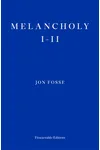
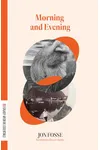
Melancholy I-II (1995–1996) reimagines the tormented life of Norwegian painter Lars Hertervig, blending lyricism with psychological depth. Morning and Evening (2000), a novella, poignantly contrasts a birth and a death, showcasing Fosse’s knack for capturing life’s cycles. Written in Nynorsk, his works carry a fresh, rural cadence, making them both intimate and universal, translated into over 50 languages.
Fosse’s themes—mortality, love, faith, and the ineffable—resonate through his sparse prose and poetic pauses. His plays, performed on over 1,000 stages worldwide, use silence as a character, inviting audiences to feel the weight of the unspoken. This innovative approach has cemented his place in post-dramatic and modernist traditions.
Why Jon Fosse Matters
Fosse’s impact is monumental. As the first Nynorsk writer to win the Nobel Prize, he’s elevated a minority language while touching universal truths. His work, performed from Tehran to New York, bridges cultures with its raw humanity. Critics praise his “hypnotic power,” and fans, like one who told Fosse his writing kept her alive, find solace in his words. His influence extends to mentoring authors like Karl Ove Knausgaard and shaping modern theater with introspective, boundary-pushing narratives.
In 2011, Norway honored him with the Grotten, a prestigious residence near the Royal Palace, recognizing his cultural contributions. Fosse’s legacy is a reminder that literature can transcend words, speaking to the soul through silence and simplicity.
- Born: September 29, 1959, Haugesund, Norway
- Key Works: Septology, Melancholy I-II, Someone Is Going to Come, Morning and Evening
- Awards: Nobel Prize in Literature (2023), Nordic Council Literature Prize (2015), Ibsen Award (2010)
- Fun Fact: Fosse once dreamed of being a rock guitarist before writing stole his heart!
Snag Septology or Morning and Evening and dive into Jon Fosse’s mesmerizing world of minimalist magic!