
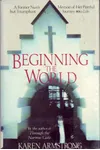
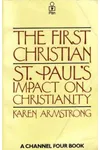


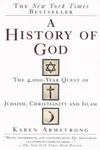

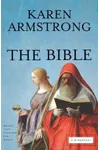
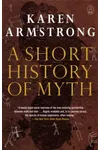





Picture a British scholar who traded a nun’s habit for a pen, weaving stories that unravel the mysteries of faith—meet Karen Armstrong! Born in 1944, she’s a global authority on comparative religion, whose books like A History of God spark curiosity and bridge spiritual divides. Her journey from convent to classroom is a testament to the power of questioning and compassion.
The Making of Karen Armstrong
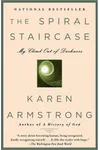
Karen Armstrong was born in Wildmoor, Worcestershire, England, into a family of modest means. At 17, she entered a Roman Catholic convent, seeking spiritual purpose, but the rigid life didn’t suit her inquisitive mind. After seven years, she left in 1969, disillusioned but determined. Studying English at Oxford, she honed her analytical skills, later teaching and writing. Her early memoir, Through the Narrow Gate, captures this transformative shift from nun to scholar.
Karen Armstrong’s Unforgettable Works
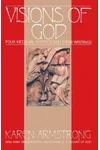
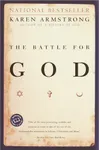
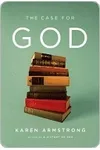
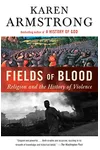
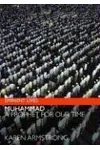
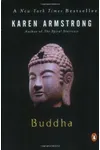
Armstrong’s books are a masterclass in making complex religious history accessible. Her breakthrough, A History of God (1993), traces the evolution of monotheism across Judaism, Christianity, and Islam, blending scholarship with storytelling. The Case for God (2009) challenges modern atheism, arguing for a nuanced view of faith rooted in practice, not dogma. Works like Fields of Blood (2014) tackle religion’s role in violence, showcasing her knack for tackling tough topics with clarity. Her style—lucid, empathetic, and deeply researched—invites readers to see religion as a human quest for meaning.
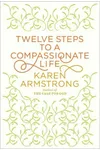
Armstrong’s writing stands out for its compassion. She doesn’t preach; she explores, drawing on her convent years and academic rigor to bridge cultural gaps. Her books, translated into over 40 languages, resonate with scholars, seekers, and skeptics alike, making her a unique voice in comparative religion.
Why Karen Armstrong Matters
Karen Armstrong’s impact lies in her ability to humanize religion in a polarized world. Through her books and lectures, she fosters dialogue between faiths, earning accolades like the TED Prize in 2008 for her Charter for Compassion initiative. Her work challenges stereotypes, showing religion as a dynamic force shaped by history and culture. For readers, she’s a guide to understanding faith’s complexities without judgment.
- Born: November 14, 1944, Worcestershire, England
- Key Works: A History of God, The Case for God, Fields of Blood
- Awards: TED Prize (2008), Princess of Asturias Award (2017)
Ready to explore the big questions? Grab A History of God and dive into Karen Armstrong’s compassionate, thought-provoking world!