


Leslie Marmon Silko Books in Order

  • 29 Books
  • 1977 – 2021 Published

Amazon links here are affiliate links. As an Amazon Associate I earn from qualifying purchases.

Reading order
01
San Francisco Stories
1990 By: John Miller
02
Los Angeles Stories
Los Angeles Stories
1991 By: John Miller
03
On Suicide: Great Writers on the Ultimate Question
1992 By: William Shakespeare, Virginia Woolf, Ambrose Bierce, Leo Tolstoy, Graham Greene, Langston Hughes, Emily Dickinson, John Donne, Plato, Jorge Luis Borges, Gustave Flaubert, Robert Coles, Walker Percy, Albert Camus, Cynthia Ozick, William Styron, Dorothy Parker, Sylvia Plath, Primo Levi, Phillip Lopate, John Miller, Genevieve Anderson, Alfred Alvarez, Émile Durkheim, Howard I. Kushner
04
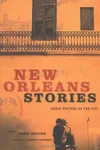
New Orleans Stories
New Orleans Stories
1992 By: John Miller, Genevieve Anderson
05
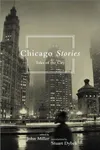
Chicago Stories
Chicago Stories
1993 By: Stuart Dybek, John Miller
07
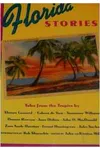
Florida Stories
Florida Stories
1993 By: Dave Barry, Elmore Leonard, Ernest Hemingway, John D. MacDonald, Damon Runyon, Isaac Bashevis Singer, Nathaniel Hawthorne, Stephen Crane, Zora Neale Hurston, Elizabeth Bishop, Tennessee Williams, Alison Lurie, Wallace Stevens, John Sayles, John James Audubon, Joy Williams, Joan Didion, John Miller, KirstenMiller, William Bartram
08
09
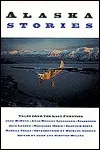
Alaska Stories
Alaska Stories
1995 By: John Miller, KirstenMiller
10
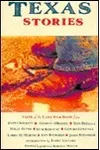
Texas Stories
Texas Stories
1995 By: John Miller, KirstenMiller
11
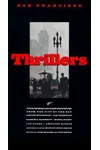
San Francisco Thrillers
1995 By: Tim Smith, John Miller
12
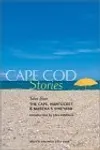
Cape Cod Stories
Cape Cod Stories
2002 By: Tim Smith, John Miller
6 of 6 reading orders shown

Picture a storyteller weaving tales of Native American resilience and spiritual depth—meet Leslie Marmon Silko! Born into the Laguna Pueblo tribe, Silko has crafted novels, poems, and stories that bridge ancient traditions with modern struggles. Her groundbreaking work, like Ceremony, has made her a cornerstone of the Native American Renaissance, captivating readers with her lyrical voice and unflinching honesty.

The Making of Leslie Marmon Silko

Born on March 5, 1948, in Albuquerque, New Mexico, Leslie Marmon Silko grew up on the Laguna Pueblo reservation. Raised in a mixed-race family with Laguna, Mexican, and white heritage, she was steeped in oral storytelling traditions that shaped her narrative style. Silko studied English at the University of New Mexico, publishing her first story, 'The Man to Send Rain Clouds,' in 1969, which hinted at her knack for blending cultural heritage with literary finesse.

Leslie Marmon Silko’s Unforgettable Stories

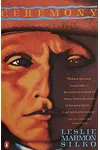
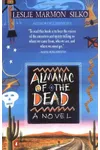
Silko’s debut novel, Ceremony (1977), is a masterpiece of Native American literature. It follows Tayo, a World War II veteran grappling with trauma and cultural dislocation, as he seeks healing through Laguna rituals. Her dense, poetic style mirrors oral traditions, weaving myth and reality. Almanac of the Dead (1991), a sprawling epic, tackles colonialism and resistance across centuries, showcasing her bold, political edge. Her poetry collection, Laguna Woman (1974), and short story anthology, Storyteller (1981), blend personal and tribal narratives, celebrating interconnectedness. Silko’s work often explores identity, environmental harmony, and the scars of historical trauma, delivered with a vivid, almost mystical voice.

Her writing stands out for its fusion of prose and poetry, drawing from Laguna oral traditions while addressing universal themes. Whether it’s the healing journey in Ceremony or the prophetic intensity of Almanac, Silko’s stories resonate with readers seeking depth and authenticity.

Why Leslie Marmon Silko Matters

Silko’s impact on Native American literature is profound. Her work helped define the Native American Renaissance, inspiring writers like Louise Erdrich and Sherman Alexie. By centering Indigenous voices and challenging colonial narratives, she’s reshaped American literature. Her 1981 MacArthur Genius Grant and the 1994 Native Writers’ Circle of the Americas Lifetime Achievement Award underscore her influence. Silko’s stories continue to inspire readers to confront history, embrace cultural roots, and find resilience in community.

    About Leslie Marmon Silko
  • Born: March 5, 1948, Albuquerque, New Mexico
  • Key Works: Ceremony, Almanac of the Dead, Storyteller
  • Awards: MacArthur Genius Grant (1981), Lifetime Achievement Award (1994)

Snag Ceremony or Storyteller and dive into Leslie Marmon Silko’s vibrant, soul-stirring world of Native American storytelling!

Frequently Asked

Who is Leslie Marmon Silko?

Leslie Marmon Silko is a Native American author of Laguna Pueblo descent, known for her novels like Ceremony and Almanac of the Dead. A key figure in the Native American Renaissance, her lyrical storytelling blends oral traditions with themes of identity and resilience.

What is Leslie Marmon Silko’s most famous book?

Ceremony (1977) is Silko’s most famous book. This powerful novel follows a Native American veteran healing through Laguna Pueblo rituals, blending myth and reality in a poetic style that’s earned it a lasting place in American literature.

What inspired Leslie Marmon Silko’s writing?

Silko drew inspiration from Laguna Pueblo oral storytelling, her mixed-race heritage, and the landscapes of New Mexico. Her work reflects a deep connection to Native traditions, addressing historical trauma, cultural identity, and environmental harmony with a poetic voice.

Why is Leslie Marmon Silko important to Native American literature?

Silko’s work, like Ceremony, helped spark the Native American Renaissance, centering Indigenous voices and challenging colonial narratives. Her blend of oral tradition and modern storytelling has inspired writers and earned her awards like the MacArthur Genius Grant.

What themes does Leslie Marmon Silko explore in her books?

Silko’s books explore themes of Native American identity, historical trauma, environmental interconnectedness, and cultural resilience. Her lyrical style, seen in Ceremony and Almanac of the Dead, weaves myth and reality to address personal and collective healing.