
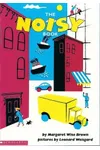
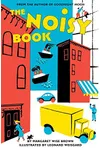
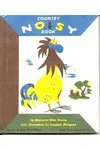
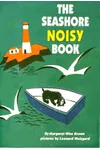

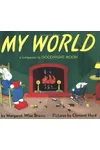
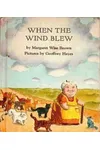
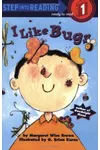

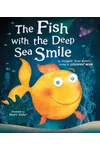
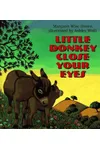
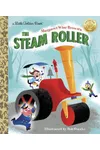
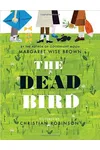
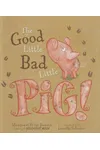
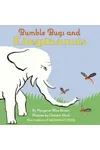




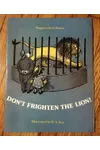
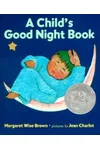


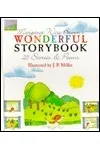
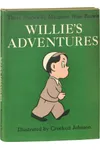

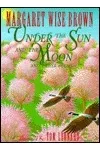
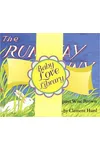

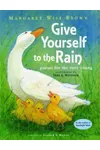
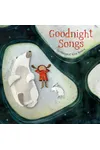
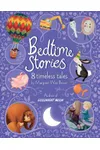
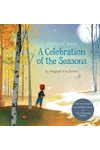
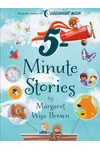
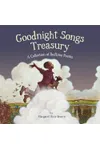




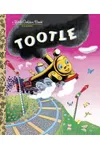
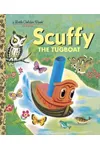
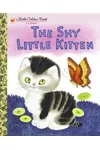
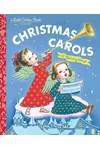

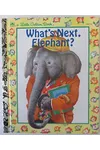
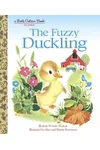
Picture a storyteller who tucked the world into bed with a whispered 'Goodnight Moon'—meet Margaret Wise Brown! This American author, with her knack for capturing a child's sense of wonder, penned over 100 children's books that still enchant young readers. Her playful, poetic tales revolutionized the genre, making bedtime a magical adventure.
Brown's stories, like 'The Runaway Bunny' and 'Goodnight Moon,' blend simplicity with profound comfort, speaking directly to a child's heart. Her untimely death in 1952 left a legacy that continues to grow, with unpublished manuscripts still being discovered. Let’s dive into the life and works of this literary trailblazer!
The Making of Margaret Wise Brown
Born on May 23, 1910, in Brooklyn, New York, Margaret Wise Brown grew up in a world of imagination. A curious child, she loved animals and nature, influences that later shaped her stories. After studying at Hollins College, she worked as a teacher and editor, immersing herself in children's literature. Inspired by progressive education ideas, Brown began writing, determined to craft stories that resonated with young minds.
Her early career at Bank Street Experimental School in New York fueled her understanding of how children think and feel. This research-driven approach set her apart, blending whimsy with psychological insight to create stories that felt both familiar and wondrous.
Margaret Wise Brown’s Unforgettable Stories
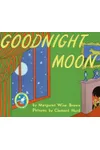
Brown’s bibliography is a treasure trove, with 'Goodnight Moon' (1947) as her crown jewel. This bedtime classic, illustrated by Clement Hurd, uses rhythmic text and cozy imagery to lull readers into a peaceful slumber. Its simple yet profound narrative—saying goodnight to everything in a room—captures the universal need for comfort.
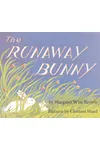
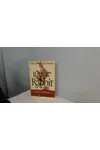
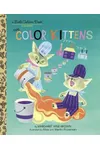
'The Runaway Bunny' (1942), another gem, explores a mother’s unwavering love through a bunny’s playful attempts to escape. Its tender dialogue and vivid illustrations make it a timeless tale of security. Other notable works include 'Little Fur Family' (1946), a tactile story about a furry clan, and 'The Color Kittens' (1949), a vibrant exploration of colors. Brown’s style—lyrical, repetitive, and sensory—mirrors a child’s perspective, making her stories feel like a warm hug.
Her innovative approach broke from the moralistic tales of her time. Instead, she focused on everyday moments, using poetic rhythms and vivid imagery to spark imagination. Collaborations with illustrators like Garth Williams and Clement Hurd brought her words to life, creating a visual and emotional synergy that defined her legacy.
Why Margaret Wise Brown Matters
Margaret Wise Brown transformed children’s literature by prioritizing a child’s emotional world. Her stories, grounded in research and empathy, offered comfort and wonder, influencing generations of authors. Her work remains a staple in homes and classrooms, with 'Goodnight Moon' alone selling millions of copies worldwide.
Brown’s legacy endures through new editions and discoveries of her unpublished works, keeping her voice alive. Her ability to make the ordinary magical continues to inspire parents and children to find joy in the small moments of life.
About Margaret Wise Brown
- Born: May 23, 1910, Brooklyn, New York
- Died: November 13, 1952
- Key Works: 'Goodnight Moon,' 'The Runaway Bunny,' 'Little Fur Family'
- Notable Fact: Brown wrote under pseudonyms like Golden MacDonald and Juniper Sage.
Snag 'Goodnight Moon' or 'The Runaway Bunny' and dive into Margaret Wise Brown’s cozy, wondrous world! Her stories are perfect for bedtime snuggles or sparking a child’s imagination any time of day.