








Picture a Scottish storyteller who nursed soldiers in the Spanish Civil War, penned gripping crime novels, and imagined a post-apocalyptic world—meet Margot Bennett! Born in 1912, this versatile writer wove tales that blended suspense, satire, and social commentary, leaving an indelible mark on crime and science fiction.
From her daring wartime experiences to her sharp-witted storytelling, Bennett’s life was as thrilling as her books. Let’s dive into the world of a woman who defied conventions and crafted stories that still captivate readers today.
The Making of Margot Bennett
Born Margot Mitchell on January 19, 1912, in Lenzie, Dunbartonshire, Scotland, Bennett grew up with a global perspective, educated in both Scotland and Australia. Before her writing career took off, she sharpened her wit as an advertising copywriter in Sydney and London. But it was her courage during the Spanish Civil War that shaped her worldview—serving as a nurse, translator, and broadcaster for Spanish Medical Aid, she survived a truck accident and gunfire wounds to both legs. These experiences fueled her politically charged narratives and fierce independence.
Margot Bennett’s Unforgettable Stories
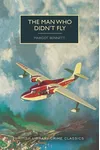
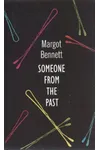
Bennett’s crime fiction from the 1940s and 1950s is her hallmark, blending intricate plots with sharp dialogue. The Man Who Didn’t Fly (1955), a taut mystery about a plane crash and a missing passenger, earned a Gold Dagger nomination and an Edgar Award runner-up spot. Someone from the Past (1958), a stylish London whodunit, clinched the Gold Dagger, cementing her reputation. Critics like Anthony Boucher praised her as one of Britain’s top suspense writers, alongside contemporaries like Nina Bawden.
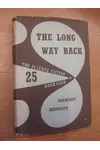
Her science fiction ventures were equally bold. The Long Way Back (1954) flips colonial narratives, depicting an African expedition exploring a post-nuclear Britain inhabited by primitive survivors. The Furious Masters (1968) satirizes Cold War paranoia with a Martian spaceship scare. Bennett’s style—witty, atmospheric, and socially aware—made her stories both entertaining and thought-provoking, often exploring themes of justice, identity, and human resilience.
Beyond novels, Bennett wrote for television, contributing scripts to shows like Maigret and Emergency-Ward 10. She was briefly associated with Doctor Who in 1964, though her planned historical story never materialized. Her screenplays for adapted novels, like The Widow of Bath, showcased her knack for vivid storytelling across mediums.
Why Margot Bennett Matters
Margot Bennett’s legacy lies in her ability to transcend genre boundaries, blending crime, thriller, and science fiction with a keen eye for social issues. Her wartime experiences and political activism infused her work with authenticity, challenging readers to question power dynamics and societal norms. Though her crime fiction output slowed after the 1950s, her influence endures in the revival of her works by publishers like the British Library Crime Classics.
Bennett’s life—marked by bravery, creativity, and a refusal to be boxed in—continues to inspire writers and readers who seek stories that provoke and entertain. Her unique perspective as a woman navigating male-dominated fields adds depth to her legacy, making her a hidden gem in literary history.
- Born: January 19, 1912, Lenzie, Scotland
- Died: December 6, 1980
- Key Works: The Man Who Didn’t Fly, Someone from the Past, The Long Way Back
- Awards: 1958 CWA Gold Dagger for Someone from the Past
Ready to unravel a mystery or explore a dystopian world? Snag The Man Who Didn’t Fly or The Long Way Back and dive into Margot Bennett’s thrilling universe!