
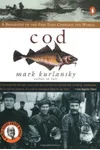

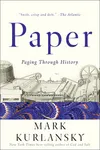
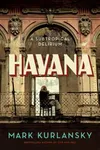
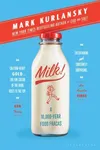
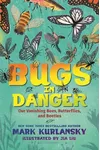
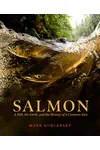
Picture an American storyteller who turned a humble fish into a global sensation—meet Mark Kurlansky! With a knack for finding epic tales in everyday subjects, Kurlansky has penned over 30 books, blending history, culture, and a dash of culinary charm. His international bestseller, Cod: A Biography of the Fish That Changed the World, hooked readers worldwide, proving that even a fish can shape history.
From his days as a playwright to a globe-trotting journalist, Kurlansky’s diverse life fuels his vivid narratives. His works, translated into over 30 languages, have earned him awards like the James Beard Award and the Dayton Literary Peace Prize, making him a beloved voice in nonfiction and beyond.
The Making of Mark Kurlansky
Born on December 7, 1948, in Hartford, Connecticut, Mark Kurlansky was a theater kid at heart. He earned a BA in Theater from Butler University in 1970, crafting plays that hit off-off-Broadway stages. But Broadway’s glitz frustrated him, so he swapped scripts for newsprint. From 1976 to 1991, Kurlansky roamed Western Europe and Mexico as a foreign correspondent for outlets like the Miami Herald and International Herald Tribune. His stints as a fisherman, cook, and pastry chef added flavor to his storytelling, grounding his work in real-world grit.
Journalism sharpened his eye for detail, but Kurlansky’s heart lay in weaving big stories from small threads. Inspired by his hero, Émile Zola, he dove into writing books that explored the overlooked corners of history, setting the stage for his literary legacy.
Mark Kurlansky’s Unforgettable Stories
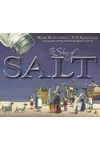
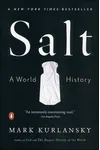
Kurlansky’s genius lies in making the mundane magnificent. His 1997 blockbuster, Cod: A Biography of the Fish That Changed the World, traces how a single fish sparked wars, fed empires, and shaped economies. Winning the 1998 James Beard Award, it’s a masterclass in blending history, science, and gastronomy. Equally captivating, Salt: A World History (2002) reveals how a simple mineral sculpted civilizations, earning praise for its glittering narrative.
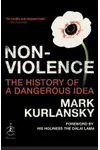
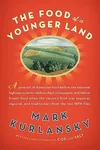
His 2006 book, Nonviolence: Twenty-five Lessons From the History of a Dangerous Idea, with a foreword by the Dalai Lama, won the 2007 Dayton Literary Peace Prize. It explores nonviolence as a radical force, showcasing Kurlansky’s knack for tackling big ideas. Meanwhile, The Food of a Younger Land (2009) unearths lost WPA files to paint a vibrant portrait of America’s regional cuisines before fast food took over. Kurlansky’s style—chatty, erudite, and peppered with anecdotes—makes history feel like a lively dinner party conversation.
From children’s books like The Cod’s Tale to his translation of Zola’s The Belly of Paris, Kurlansky’s versatility shines. His books often focus on food, culture, and sustainability, urging readers to see the world through a fresh lens.
Why Mark Kurlansky Matters
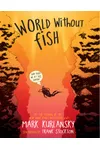
Kurlansky’s impact stretches far beyond the page. His microhistories have redefined nonfiction, showing how everyday things—like fish or salt—shape human destiny. Schools, like Wake County Public School System, use World Without Fish to teach kids about ecology, while his Basque-focused works earned him a spot in the Basque Hall of Fame in 2001. Kurlansky’s ability to connect past and present inspires readers to rethink their world.
His storytelling also bridges cultures, blending global perspectives with local flavors. Whether lecturing at Columbia or illustrating his own books with lino cuts, Kurlansky’s creative spirit continues to spark curiosity and conversation.
- Born: December 7, 1948, Hartford, Connecticut
- Key Works: Cod, Salt, Nonviolence, The Food of a Younger Land
- Awards: James Beard Award (1998), Dayton Literary Peace Prize (2007), Bon Appétit Food Writer of the Year
- Fun Fact: Kurlansky once worked as a commercial fisherman, giving him firsthand insight into Cod’s world!
Ready to dive into a world where fish and salt steal the spotlight? Grab Cod: A Biography of the Fish That Changed the World and savor Mark Kurlansky’s deliciously clever storytelling!