




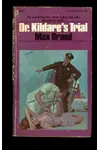
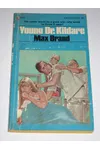
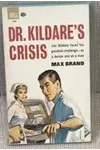

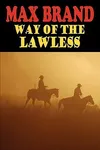




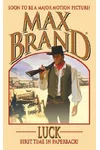

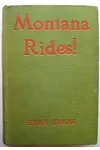

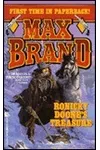


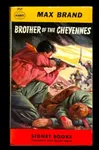
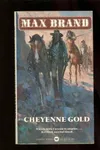
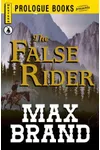





Picture a larger-than-life American storyteller who spun tales of rugged cowboys and heroic doctors, captivating millions with his pen—meet Max Brand! Born Frederick Schiller Faust, this prolific writer churned out over 500 novels and countless short stories, leaving an indelible mark on Western literature and popular fiction. His most iconic creation, Dr. James Kildare, became a cultural phenomenon, while his staggering 25-30 million words cemented his legacy as a literary titan.
But there’s more to Max Brand than meets the eye. A poet at heart, Faust wrestled with his commercial success, pouring his soul into epic verses while crafting pulse-pounding pulp fiction. His life, as thrilling as his stories, ended heroically in 1944, but his words still ride the range today.
The Making of Max Brand
Born on May 29, 1892, in Seattle, Washington, Frederick Faust faced hardship early. Orphaned by age 13, he grew up in California’s San Joaquin Valley, working as a cowhand and soaking up the rugged landscapes that would later fuel his Westerns. A rebellious student at UC Berkeley, Faust began writing for student publications, his love for mythology and poetry shaping his vivid imagination. By his mid-20s, he was selling stories to pulp magazines, adopting the pen name Max Brand to keep his poetry separate from his commercial work.
Faust’s early career was a whirlwind. Writing for outlets like Western Story Magazine, he produced up to 1.5 million words a year, often under multiple pseudonyms like George Owen Baxter and Evan Evans. His knack for storytelling and relentless work ethic made him a pulp fiction powerhouse, setting the stage for his legendary output.
Max Brand’s Unforgettable Stories
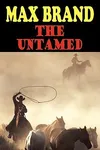
Max Brand’s Westerns redefined the genre with their psychological depth and mythic undertones. His first novel, The Untamed (1919), introduced Dan Barry, a wild, almost supernatural hero whose adventures blended action with soul-searching. Destry Rides Again (1930) became a Western classic, its tale of redemption inspiring multiple film adaptations, including the iconic 1939 movie starring James Stewart.
Beyond Westerns, Faust created Dr. James Kildare, the young intern whose medical dramas debuted in the 1937 story Internes Can’t Take Money. Kildare’s blend of grit and compassion spawned films, radio shows, TV series, and comics, making him a household name. Faust’s versatility shone in works like the Tizzo the Firebrand series, swashbuckling tales set in Renaissance Italy, written as George Challis. His style—vivid, fast-paced, and layered with classical influences—kept readers hooked across genres.
Faust’s heroes weren’t flawless; they grappled with inner demons, making them relatable yet larger-than-life. His knack for weaving Jungian symbolism and biblical themes into action-packed plots elevated pulp fiction into something timeless, earning him a devoted following.
Why Max Brand Matters
Max Brand didn’t just write Westerns—he shaped the genre’s soul. His stories, rich with complex characters and moral dilemmas, influenced countless authors and filmmakers, cementing the cowboy as an American archetype. Dr. Kildare’s enduring popularity proved Faust’s ability to transcend genres, while his staggering output—rivaling Edgar Wallace and Isaac Asimov—set a benchmark for prolificacy.
Faust’s legacy endures in reprints, adaptations, and the hearts of readers who crave adventure. His tragic death as a war correspondent in Italy, struck by shrapnel in 1944, only added to his legend. Commended for bravery by President Roosevelt, Faust lived and died as boldly as his characters, leaving behind a literary empire that still captivates.
- Born: May 29, 1892, Seattle, Washington
- Died: May 12, 1944, Italy
- Key Works: The Untamed, Destry Rides Again, Internes Can’t Take Money
- Pseudonyms: George Owen Baxter, Evan Evans, George Challis, and more
Snag Destry Rides Again or dive into a Dr. Kildare tale to experience Max Brand’s thrilling world of grit, heart, and adventure!