


Picture a storyteller who wove Native American oral traditions into the fabric of modern literature—meet N. Scott Momaday! Born in 1934 in Lawton, Oklahoma, this Kiowa author reshaped the literary landscape with his Pulitzer Prize-winning novel, House Made of Dawn. With a lyrical style that dances between poetry and prose, Momaday’s works celebrate indigenous culture, identity, and the sacred connection to the land.
His groundbreaking contributions didn’t just earn him accolades—they sparked the Native American Renaissance, opening doors for writers like Leslie Marmon Silko and Louise Erdrich. Ready to dive into the world of a literary trailblazer? Let’s explore Momaday’s life, works, and lasting legacy!
The Making of N. Scott Momaday
Navarre Scott Momaday was born to a Kiowa father, Alfred, an artist, and a mother, Natachee, of Cherokee and European descent, who embraced her Native heritage. Growing up on reservations in Arizona and New Mexico, young Scott soaked in Navajo, Apache, and Pueblo traditions. These vibrant cultures shaped his worldview, blending seamlessly with his love for Western literature. After earning a BA in English from the University of New Mexico and a PhD from Stanford in 1963, Momaday began teaching, but his heart was set on storytelling.
His early years weren’t just about academics—Momaday’s experiences on the Jemez Pueblo and encounters with literary giants like William Faulkner fueled his creative fire. This unique blend of indigenous roots and literary training set the stage for a career that would redefine Native American literature.
N. Scott Momaday’s Unforgettable Stories
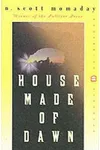
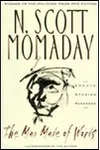
Momaday’s debut novel, House Made of Dawn (1968), is a masterpiece that follows Abel, a young Native American veteran caught between his traditional roots and modern America. Its lyrical prose and circular structure, inspired by Native storytelling, earned it the 1969 Pulitzer Prize—the first for a Native author. Critics praised its vivid imagery and emotional depth, calling it a bridge between oral tradition and Western narrative.
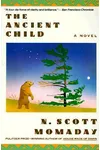
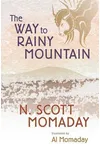
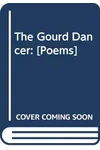
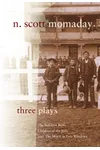
Next came The Way to Rainy Mountain (1969), a genre-blending work weaving Kiowa folklore, history, and memoir. Illustrated by his father, it traces the Kiowa migration with poetic reverence for the land. Momaday’s poetry collections, like The Gourd Dancer (1976), shimmer with spiritual and cultural resonance, while The Ancient Child (1989) explores a modern Kiowa artist’s quest for identity. His style—rich, rhythmic, and steeped in nature—invites readers to feel the pulse of indigenous wisdom.
Whether crafting novels, poems, or essays, Momaday’s themes of cultural identity, spirituality, and harmony with nature resonate deeply. His ability to merge Native oral traditions with Western forms creates a unique voice that’s both timeless and groundbreaking.
Why N. Scott Momaday Matters
Momaday’s impact transcends literature. House Made of Dawn ignited the Native American Renaissance, inspiring a generation of indigenous writers to share their stories. His work challenged stereotypes, offering nuanced portrayals of Native experiences. Beyond books, Momaday’s teaching at institutions like the University of Arizona and his advocacy for Native culture through The Buffalo Trust cemented his role as a cultural steward.
Honored with the National Medal of Arts in 2007 and 21 honorary degrees, Momaday’s legacy is a testament to the power of storytelling. His words continue to inspire readers and writers to embrace their heritage and connect with the earth.
About N. Scott Momaday
- Born: February 27, 1934, in Lawton, Oklahoma
- Key Works: House Made of Dawn, The Way to Rainy Mountain, The Gourd Dancer, The Ancient Child
- Awards: Pulitzer Prize (1969), National Medal of Arts (2007), Frost Medal for Poetry
- Cultural Impact: Sparked the Native American Renaissance
Ready to explore Momaday’s world? Grab House Made of Dawn and immerse yourself in his poetic, soul-stirring storytelling!