

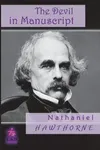






















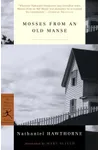



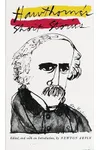




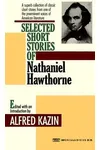
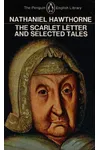

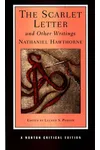
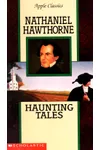





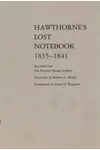




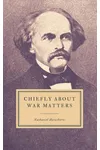


























Picture a brooding New Englander weaving tales of sin and redemption under the flicker of candlelight—meet Nathaniel Hawthorne! Born in 1804 in Salem, Massachusetts, this literary giant spun stories like The Scarlet Letter that still haunt and inspire. His work, steeped in America’s colonial shadows, probes the human heart with a pen as sharp as a Puritan’s gaze.
The Making of Nathaniel Hawthorne
Nathaniel Hawthorne came into the world on July 4, 1804, in a Salem steeped in Puritan history—a legacy that shaped his dark, introspective tales. Haunted by his ancestor’s role in the Salem witch trials, he added a 'w' to his surname to distance himself. After graduating from Bowdoin College, he honed his craft in solitude, publishing short stories in magazines before his first novel, Fanshawe, in 1828.
His early career was a slow burn, marked by financial struggles and rejections, but friendships with transcendentalists like Ralph Waldo Emerson fueled his resolve. By the 1840s, Hawthorne’s unique voice—rich with allegory and moral complexity—began to shine, setting the stage for his masterpieces.
Nathaniel Hawthorne’s Unforgettable Stories
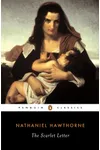
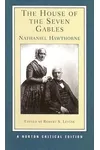
Hawthorne’s The Scarlet Letter (1850) is his crown jewel, a searing tale of Hester Prynne, a woman branded for adultery in Puritan Boston. Its vivid symbolism and psychological depth make it a cornerstone of American literature. Equally gripping is The House of the Seven Gables (1851), a gothic novel blending family curses with themes of guilt and retribution.
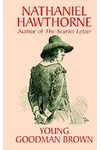
His short stories, like 'Young Goodman Brown' and 'The Minister’s Black Veil,' are compact yet profound, exploring hidden sin and societal hypocrisy. Hawthorne’s style—lush, allegorical, and morally charged—turns simple narratives into meditations on human nature. His fascination with America’s Puritan past gave his work a distinctly American flavor, setting him apart from European romantics.
Unlike the optimistic transcendentalists, Hawthorne leaned into life’s darker corners, crafting stories that feel timeless yet grounded in New England’s eerie landscapes. His prose, both elegant and haunting, invites readers to wrestle with questions of morality and identity.
Why Nathaniel Hawthorne Matters
Hawthorne’s influence on American literature is colossal. He helped define the novel as a serious art form in a young nation, paving the way for writers like Herman Melville and Henry James. His exploration of guilt and redemption resonates across genres, from psychological thrillers to modern literary fiction. Today, The Scarlet Letter remains a classroom staple, sparking debates on shame, freedom, and forgiveness.
Beyond academia, Hawthorne’s themes of inner conflict and societal pressure speak to anyone navigating a complex world. His ability to blend history with universal truths keeps his work alive, inspiring adaptations in film, theater, and even graphic novels.
About Nathaniel Hawthorne
- Born: July 4, 1804, Salem, Massachusetts
- Key Works: The Scarlet Letter, The House of the Seven Gables, 'Young Goodman Brown'
- Notable Fact: His ancestor, John Hathorne, was a judge in the Salem witch trials.
- Died: May 19, 1864
Ready to step into Hawthorne’s world? Snag The Scarlet Letter and dive into his haunting, thought-provoking tales!