


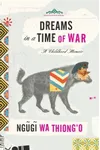
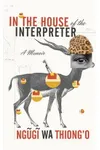
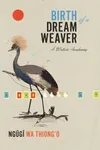
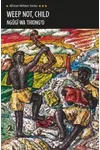
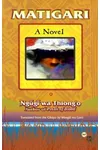
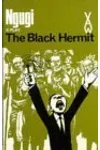
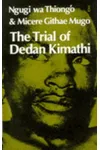
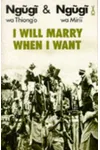
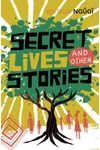





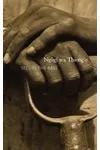
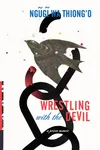
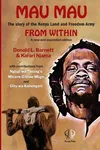
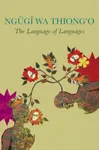


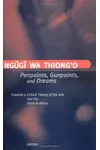
Picture a Kenyan storyteller who wove tales of resistance and identity, challenging the shadows of colonialism—meet Ngũgĩ wa Thiong’o! Born in 1938, this literary titan has crafted novels, plays, and essays in both English and Gikuyu, giving voice to the African experience. His fearless narratives, like the fiery Petals of Blood, landed him in prison and exile, yet his words continue to inspire globally.
Ngũgĩ’s journey is as gripping as his stories. From a humble Kenyan village to the world’s literary stage, his life reflects a relentless pursuit of truth and cultural pride. Let’s dive into the world of a writer who redefined African literature with wit, courage, and a touch of magic.
The Making of Ngũgĩ wa Thiong’o
Born James Ngugi in Kamiriithu, Kenya, Ngũgĩ grew up amidst colonial rule and the Mau Mau uprising. His early education at a missionary school sparked a love for storytelling, but it was Makerere University in Uganda that shaped his literary voice. There, he penned his first novel, Weep Not, Child, under his colonial name. Inspired by his Gikuyu roots and the fight for independence, Ngũgĩ embraced his heritage, dropping his Christian name and championing African languages.
His early career was a balancing act of teaching, writing, and activism. As Kenya gained independence, Ngũgĩ’s works began questioning the new nation’s path, setting the stage for his bold, unapologetic style.
Ngũgĩ wa Thiong’o’s Unforgettable Stories
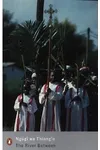
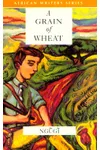
Ngũgĩ’s bibliography is a treasure trove of diverse works. His debut, Weep Not, Child (1964), captures a boy’s coming-of-age during the Mau Mau rebellion, blending tender prose with political fire. A Grain of Wheat (1967) dives deeper, exploring betrayal and sacrifice in a newly independent Kenya, its layered characters reflecting the nation’s fractured soul.
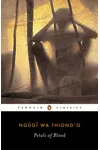
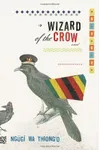
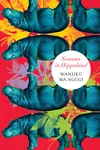
Then came Petals of Blood (1977), a scorching critique of post-colonial corruption that got Ngũgĩ arrested. Its vivid storytelling and sharp satire cemented his global reputation. Later, Wizard of the Crow (2006), written in Gikuyu and translated to English, is a sprawling, magical realist epic that mocks dictatorship with biting humor. Ngũgĩ’s style—lyrical yet accessible, rooted in oral traditions—bridges cultures while championing African linguistic pride.
His essays, like those in Decolonising the Mind (1986), argue for writing in indigenous languages, a radical stance that reshaped literary discourse. Whether in novels or plays, Ngũgĩ’s themes of resistance, identity, and resilience resonate universally.
Why Ngũgĩ wa Thiong’o Matters
Ngũgĩ’s impact transcends pages. His advocacy for African languages sparked a movement, urging writers to reclaim their cultural heritage. His works, taught worldwide, offer a lens into the complexities of post-colonial Africa, blending humor, heart, and critique. Despite exile in the U.S., his influence on African literature remains unmatched, inspiring generations to question power and embrace their roots.
From prison cells to lecture halls, Ngũgĩ’s voice endures, a testament to the power of stories to challenge, heal, and unite. His numerous awards, including nominations for the Nobel Prize, reflect his global stature.
About Ngũgĩ wa Thiong’o
- Born: January 5, 1938, Kamiriithu, Kenya
- Key Works: Weep Not, Child, Petals of Blood, Wizard of the Crow, Decolonising the Mind
- Awards: Lotus Prize for Literature (1973), Nonino International Prize (2001)
- Notable Fact: Writes in Gikuyu to preserve African linguistic heritage
Ready to explore a literary legend? Snag Wizard of the Crow and dive into Ngũgĩ wa Thiong’o’s vibrant, rebellious world!