
Picture a Canadian storyteller who spun tales of Italian immigrant life with heart and grit—meet Nino Ricci! A celebrated author of Italian descent, Ricci’s novels, especially the award-winning Lives of the Saints, weave intricate stories of identity, family, and cultural upheaval. His work has not only captivated readers worldwide but also earned him the prestigious Order of Canada.
With a knack for blending lyrical prose with raw human emotion, Ricci invites us into worlds where characters grapple with their roots and their place in a shifting society. Ready to dive into the life of this literary luminary? Let’s explore how Nino Ricci became a voice for the ages.
The Making of Nino Ricci
Born in 1959 in Leamington, Ontario, to Italian immigrant parents from Molise, Nino Ricci grew up steeped in the stories of his heritage. His early years in a tight-knit Italian community shaped his fascination with cultural identity. Ricci earned a B.A. in English Literature from York University in 1981, followed by a Master’s in Creative Writing from Concordia University in 1987. His travels, including teaching English in Nigeria for two years, broadened his perspective, infusing his writing with a global lens.
Ricci’s career kicked off with a bang in 1990 when his debut novel, Lives of the Saints, hit shelves. The book’s raw honesty and vivid storytelling won hearts and awards, marking Ricci as a bold new voice in Canadian literature. From there, he never looked back, crafting stories that resonate with readers across borders.
Nino Ricci’s Unforgettable Stories
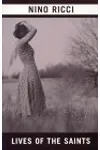
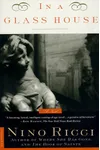
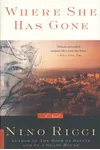
Ricci’s bibliography is a treasure trove of introspective and evocative novels. His debut, Lives of the Saints (1990), follows young Vittorio Innocente and his mother, Cristina, in a superstitious Italian village. The novel’s exploration of passion, scandal, and migration struck a chord, earning the Governor General’s Award for Fiction and a spot on bestseller lists for 75 weeks. It kicked off a trilogy, continued in In a Glass House (1993) and Where She Has Gone (1997), which trace Vittorio’s journey through Canada and his fractured family ties.
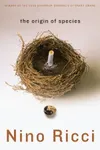
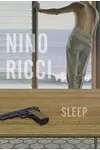
Beyond the trilogy, Ricci’s The Origin of Species (2008) is a standout, blending Darwinian themes with a modern tale of personal evolution. This novel nabbed another Governor General’s Award, showcasing Ricci’s ability to tackle big ideas with intimate storytelling. His 2015 novel, Sleep, dives into the unraveling life of an academic with a sleep disorder, earning praise as a haunting reflection on narcissism and modern life. Ricci’s style—lyrical yet grounded, with a keen eye for cultural nuance—makes his work both accessible and profound.
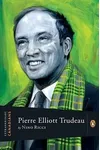
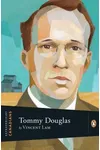
His non-fiction work, like the acclaimed biography Pierre Elliott Trudeau (2009), reveals Ricci’s versatility, offering a fresh take on Canada’s iconic prime minister. Whether fiction or non-fiction, Ricci’s stories dig deep into what it means to belong, making readers question their own roots.
Why Nino Ricci Matters
Nino Ricci’s impact on Canadian literature is undeniable. His trilogy brought the Italian immigrant experience to the forefront, giving voice to a community often overlooked. His nuanced characters and themes of displacement resonate with readers navigating their own cultural identities. Ricci’s global reach—his books are published in 17 countries—and his adaptation into a miniseries starring Sophia Loren prove his universal appeal.
Honored with the Order of Canada and multiple literary awards, Ricci has also shaped the literary world as a past president of PEN Canada, advocating for freedom of expression. His work continues to inspire writers and readers to explore the complexities of human connection and heritage.
- Birth Date: 1959, Leamington, Ontario
- Key Works: Lives of the Saints, The Origin of Species, Sleep
- Awards: Two Governor General’s Awards, Order of Canada
Snag Lives of the Saints and dive into Nino Ricci’s soulful storytelling! Whether you’re new to his work or a longtime fan, his novels promise a journey through the heart of what it means to be human.